Browse by Category
Fiction
- Action & Adventure
- African American
- Anthologies
- Children's Fiction
- Classics
- Comics & Graphic Novels
- Coming of Age
- Contemporary
- Cultural & Regional
- Drama
- Erotica
- Fantasy
- General
- Historical Fiction
- Horror
- Humor & Satire
- Literary Fiction
- Mystery, Thriller & Suspense
- Poetry
- Religious & Inspirational
- Romance
- Science Fiction
- Short Stories
- War & Military
- Westerns
- Women's Fiction
- Young Adult
Non-Fiction
- Antiques & Collectibles
- Arts & Photography
- Biographies & Memoirs
- Business & Money
- Children's Non-Fiction
-
Computers & Technology
- Artificial Intelligence
- Computer Science
- Cybersecurity & Cryptography
- Data Science & Analytics
- Databases & Big Data
- Game Development & Design
- General
- Hardware & DIY
- Mobile App Development
- Networking & Cloud Computing
- Operating Systems
- Programming
- Robotics
- Software
- Software Engineering
- User Experience (UX) & Design
- Web Development & Design
- Cooking, Food & Wine
- Crafts, Hobbies & Home
- Education & Teaching
- Engineering
- General
- Health, Fitness & Dieting
-
History
- African History
- African History - North Africa
- African History - Sub-Saharan Africa
- American History
- American History - 20th Century
- American History - Civil War
- American History - Colonial Period
- Ancient History
- Asian History
- Asian History - China
- Asian History - India
- Asian History - Japan
- Asian History - Southeast Asia
- European History
- European History - Ancient Greece
- European History - Ancient Rome
- European History - Medieval
- European History - Modern
- European History - Renaissance
- General
- Middle Eastern History
- Military History
- Military History - Aviation
- Military History - Naval
- Social & Cultural History
- World History
- Humor & Entertainment
- Industrial Technology
- Language Learning
- Law
- LGBTQ+ Non-Fiction
- Literary Criticism
- Medical Books
- Parenting & Relationships
- Philosophy
- Politics & Social Sciences
- Reference
- Religion & Spirituality
-
Science & Math
- Agricultural Sciences
- Astronomy & Space Science
- Behavioral Sciences
- Biological Sciences
- Botany & Plant Science
- Chemistry
- Earth Sciences
- Engineering - Chemical
- Engineering - Civil
- Engineering - Electrical
- Engineering - Mechanical
- Environment
- General
- Geology
- Mathematics
- Nature & Ecology
- Oceanography
- Paleontology
- Physics
- Statistics
- Self-Help
- Sports & Outdoors
- Study Aids
- Sustainability & Green Living
- Textbooks
- Transportation
- Travel
- True Crime
- Urban Planning & Development
- Veterinary Medicine
- Writing & Publishing
Jump to Section
MixCache.com Total Access
Unlimited reading and audiobooks for every book published by MixCache.com.
Included titles carry the MTA badge.
Learn more →
Serbia at the Crossroads: From Yugoslav Hegemony to Democratic Transition
MTA
Balancing Nationalism, European Integration, and Regional Leadership
About this book:
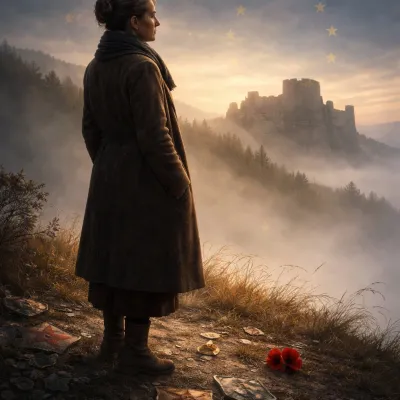
Serbia’s modern trajectory is deeply rooted in a historical narrative that blends medieval glory, the Kosovo myth, and a persistent sense of victimhood and sacrifice. This narrative underpinned Serbia’s dominant role in the Yugoslav kingdom and later socialist federation, where its size, historic prestige, and control over the federal capital gave it structural advantages that bred resentment among other republics. The rise of Slobodan Milošević in the late 1980s harnessed these grievances, turning nationalist rhetoric into policy as he dismantled provincial autonomy, suppressed dissent, and used state media to portray Serbs as besieged. His aggression triggered the violent disintegration of Yugoslavia, with Serbia providing decisive political, military, and logistical support to Serb forces in Croatia and Bosnia, culminating in widespread atrocities, ethnic cleansing, and the Srebrenica genocide.
International condemnation followed, bringing comprehensive UN sanctions that crippled Serbia’s economy, sparked hyperinflation, and fostered a black‑market economy. The NATO bombing campaign over Kosovo in 1999 forced Milošević to withdraw, but the loss of de facto control over Kosovo became a national trauma that continues to define Serbian politics. Mass protests in October 2000 toppled Milošević, ushering in a democratic transition led by the Democratic Opposition of Serbia. The new government faced the twin tasks of economic shock therapy—stabilizing the currency, privatizing state enterprises, and attracting foreign direct investment—and confronting the legacy of war crimes through cooperation with the ICTY, a process that exposed deep divisions between reformist and nationalist factions and was marked by the arrests of Milošević, Karadžić, and Mladić.
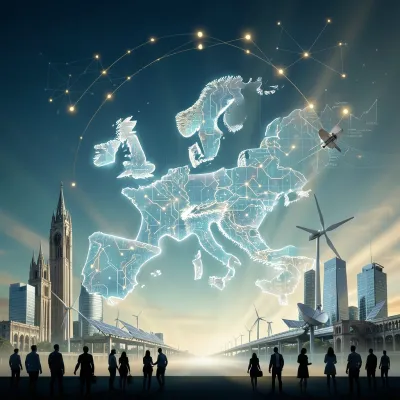
Since 2000, Serbia’s strategic orientation has pivoted toward European Union membership, pursued through the Stabilization and Association Process and later accession negotiations, while balancing enduring historical, cultural, and religious ties to Russia. Progress has been conditioned on reforms to the rule of law, security sector, media, and civil society, as well as on the normalization of relations with Kosovo—a requirement that clashes with Serbia’s constitutional claims of the Kosovo Albanian majority. Simultaneously, Serbia has sought regional leadership via initiatives such as the Western Balkans Six, the Berlin Process, and the Open Balkan framework, aiming to foster economic integration and security cooperation. Domestic challenges—including a declining birth rate, brain drain, environmental degradation, and the continued influence of the Serbian Orthodox Church—complicate its path, yet the EU perspective remains the dominant anchor for Serbia’s aspirations of stability, prosperity, and enhanced regional prominence.
What You'll Find Inside:
- Serbia's enduring national narrative centered on historical myths like the Battle of Kosovo and its influence on modern politics and identity
- Serbia's pivotal role in Yugoslavia's dissolution, the Milošević era, and the Yugoslav Wars that led to international isolation and sanctions
- The democratic transition after October 2000, including reforms, challenges with war crimes accountability, and economic transformation
- Serbia's complex path toward European integration amid the Kosovo question, Russian influence, and regional balancing acts
- Internal challenges including economic transition from socialism to market economy, demographic shifts, brain drain, and institutional reforms
Who's It For:
Students, researchers, and policymakers interested in Balkan politics, post-conflict transitions, and European integration will find this book invaluable for understanding Serbia's complex journey from Yugoslav hegemony to democratic aspirations, particularly those studying nationalist movements, democratic transitions, and the geopolitics of Southeast Europe.
Table of Contents:
- Introduction
- Chapter 1 The Weight of History: Serbia's Enduring National Narrative
- Chapter 2 Yugoslavia's Fault Lines: Serbia's Rise to Hegemony
- Chapter 3 The Milošević Era: Nationalism Unleashed
- Chapter 4 Wars of Disintegration: Serbia's Role in the Yugoslav Conflicts
- Chapter 5 International Isolation and Sanctions: The Price of Conflict
- Chapter 6 The Kosovo Question: A Defining Struggle
- Chapter 7 October 2000: The Fall of Milošević and the Dawn of Transition
- Chapter 8 Democratic Aspirations: Early Reforms and Challenges
- Chapter 9 Economic Transition: From Socialism to Market Economy
- Chapter 10 The Haque Tribunal and Dealing with the Past
- Chapter 11 European Union Overtures: A New Strategic Direction
- Chapter 12 Russia's Enduring Influence: Historical Ties and Geopolitical Realities
- Chapter 13 Balancing Act: Navigating East and West
- Chapter 14 Regional Leadership Ambitions: The Western Balkans Initiative
- Chapter 15 Dayton Accords and Regional Stability
- Chapter 16 The Post-2008 Financial Crisis: Impact and Resilience
- Chapter 17 Media and Civil Society in a Post-Authoritarian Landscape
- Chapter 18 Identity Politics: Navigating National and European Identities
- Chapter 19 Demographic Shifts and Brain Drain
- Chapter 20 Environmental Challenges and Sustainable Development
- Chapter 21 Foreign Direct Investment and Economic Growth
- Chapter 22 Security Sector Reform and Regional Cooperation
- Chapter 23 The Serbian Orthodox Church: A Powerful Institution
- Chapter 24 Cultural Heritage and National Memory
- Chapter 25 Serbia's Future: Pathways to European Integration and Regional Prominence
Author:
Published By:
Date Published:
July 19, 2026
Type:
Nonfiction
Language:
English
Word Count:
44,612 words
Reading Time:
3 hours 7 minutes
Sample:
Order:
Order Serbia at the Crossroads: From Yugoslav Hegemony to Democratic Transition (Paperback) on MixCache.com:
Buy NowPrint copy is made to order and ships worldwide. Includes the ebook free, ready to read instantly.
$5 account credit for all new MixCache.com accounts, usable toward any ebook purchase!*