🎉 New to MixCache.com? Sign up now and get $5.00 FREE CREDIT towards any ebook purchase!* Create Account →
Book Beginnings cover

A PODCAST FROM MIXCACHE.COM

Book Beginnings

Discover your next book, one beginning at a time. Listen to an introduction or opening chapter, then visit MixCache.com for the complete ebook and audiobook.

Podcast RSS feed

Latest episodes

A History of Johannesburg — Introduction cover

November 26, 2026 · Book 1672

A History of Johannesburg — Introduction

Born from a frantic scramble for subterranean riches in 1886, Johannesburg is unlike any other major city – a sprawling metropolis that erupted almost overnight on the South African highveld, drawn into being by the magnetic pull of gold. This book traces its extraordinary, often tumultuous, journey from a dusty tent town to the economic powerhouse of a continent. Explore the raw energy of the early gold rush, the clash of cultures as fortune-seekers from across the globe converged on the Rand, and the rise of powerful mining magnates who amassed colossal fortunes while laying the industrial foundations of this glittering city.

Delve into the deep divisions that shaped Johannesburg: the simmering tensions between the foreign uitlanders and the ruling Boer republic that erupted into war, the brutal exploitation of African labour through the mining compound system and discriminatory laws, and the violent struggles of white workers fighting to protect their privilege. Witness the systematic entrenchment of racial segregation under apartheid, the traumatic forced removals that tore communities like Sophiatown apart, and the defiant spirit of resistance forged in the sprawling townships of Soweto that culminated in the explosive uprising of 1976.

Finally, follow Johannesburg through its turbulent transition to democracy, the dismantling of apartheid laws, and the complex, ongoing process of urban renewal and social transformation. This history is a testament to the city's enduring resilience, its vibrant, often chaotic, diversity, and its relentless drive, a city forever grappling with the profound legacies of its past as it strives to build a more inclusive and equitable future.

Listen to the introduction. Continue reading or listening at MixCache.com: search for book 1672.


Get the complete ebook & audiobook
A History of Kuala Lumpur — Introduction cover

November 26, 2026 · Book 1671

A History of Kuala Lumpur — Introduction

From a humble beginning at a muddy river confluence, Kuala Lumpur emerged as an unlikely birthplace for a major city. This comprehensive history traces its dramatic evolution, beginning with the arrival of tin miners in the mid-19th century who transformed a quiet jungle backwater into a chaotic, lawless frontier town fueled by resource extraction. Amidst this scramble for tin, pioneers like Yap Ah Loy rose to prominence, providing crucial leadership and imposing a semblance of order in an environment plagued by disease, natural disasters, and fierce conflicts between rival secret societies. The book delves into the brutal realities of early life, the challenges of building a town from scratch, and the pivotal role of the Kapitan China in governing a diverse and often volatile population through times of intense turmoil, including the devastating Selangor Civil War that nearly wiped the fledgling settlement from the map.

The narrative continues with the arrival of British colonial rule, exploring how the imposition of administrative order and the introduction of modern infrastructure like railways and durable brick construction fundamentally reshaped the city. Witness Kuala Lumpur's rise from a state capital to the administrative heart of the Federated Malay States, adorned with iconic Indo-Saracenic architecture that symbolized imperial power and tropical adaptation. The story unfolds through subsequent economic booms, notably the rubber revolution that fueled new waves of migration and further diversified the city's economy and demographic landscape, while also examining the complexities of life in the colonial city, marked by segregation and evolving social dynamics across Malay, Chinese, and Indian communities.

The book culminates with Kuala Lumpur's journey through the tumultuous periods of World War II and the Malayan Emergency, charting its path to Merdeka (Independence) and its subsequent transformation into the capital of modern Malaysia. Experience the rapid urbanization and demographic shifts of the postwar decades, the administrative pivot to Federal Territory status for streamlined growth, and the era of ambitious industrialization and Vision 2020 that saw the city become a global symbol, crowned by iconic skyscrapers like the Petronas Twin Towers. The history concludes by exploring the vibrant multiculturalism that defines everyday life in the city, celebrated through food, faith, and festivals, while also confronting the inherent challenges of rapid progress – from traffic congestion and housing shortages to the critical issues of sustainability and future urban planning – offering a glimpse into the aspirations for the Kuala Lumpur of tomorrow.

Listen to the introduction. Continue reading or listening at MixCache.com: search for book 1671.


Get the complete ebook & audiobook
A History of Venezuela — Introduction cover

November 26, 2026 · Book 1670

A History of Venezuela — Introduction

Embark on a comprehensive journey through the rich and tumultuous history of Venezuela, a nation forged in the crucible of diverse landscapes and profound cultural encounters. Beginning with its ancient origins and the intricate societies of the pre-Columbian era, the book traces the impact of geography on identity and settlement before delving into the arrival of Europeans. Witness the brutal quest for pearls and gold, the fierce resistance of indigenous leaders, and the arduous process of colonization that gave rise to key cities from Cumaná to Caracas. Explore the unique interlude of German rule, the tragic introduction of enslaved Africans who became essential to the colonial economy, and the rigid hierarchy of a society dominated by a Creole elite. Understand how the Bourbon reforms centralized power, inadvertently fostering a sense of common identity and planting the seeds of rebellion.

The narrative moves into the dynamic age of revolution, chronicling the pivotal roles of Simón Bolívar and Francisco de Miranda as they ignited the independence movement. Experience the long and devastating War of Independence, marked by triumphs and losses, and the complex process of emancipation that unfolded amidst the conflict. Follow the dashed hopes of Gran Colombia's unity and the subsequent founding of the separate Venezuelan Republic in 1830. The book then navigates the turbulent nineteenth century, an era defined by the rise of powerful caudillos, incessant civil wars, and the slow, painful path towards social reform, including the significant abolition of slavery, against a backdrop of enduring inequality.

The twentieth century brings the most transformative event: the discovery and exploitation of vast oil reserves. This "black gold" reshaped the nation's destiny, fueling modernization, driving shifts from authoritarian dictatorships (Gómez, Pérez Jiménez) to democratic experiments, and ushering in periods of boom and bust. Witness the social upheaval of the late twentieth century that challenged the established political system and paved the way for the rise of Hugo Chávez and the ambitious, polarizing Bolivarian Revolution. Finally, the book confronts the complex challenges of 21st-century Venezuela, marked by profound economic crisis, deep political division, and a large-scale humanitarian exodus, offering essential context to understand a nation perpetually navigating its vibrant past and uncertain future.

Listen to the introduction. Continue reading or listening at MixCache.com: search for book 1670.


Get the complete ebook & audiobook
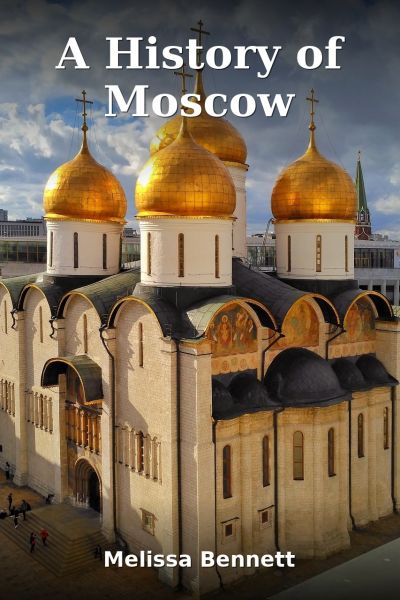
A History of Moscow — Introduction cover

November 25, 2026 · Book 1668

A History of Moscow — Introduction

Journey through over eight centuries of tumultuous history to discover how a small forest outpost on the Moskva River transformed into one of the world's great capitals. Trace Moscow's origins from prehistoric settlements to its legendary founding by Yuri Dolgoruky. Witness its survival under the shadow of the Golden Horde, its strategic rise under princes like Daniel of Moscow and Ivan Kalita, and the pivotal moment it became the spiritual heart of the Russian Orthodox Church. Follow the story of how Moscow "gathered the Russian lands," asserting its independence under Ivan III and giving birth to the Tsardom under Ivan the Terrible, its formidable Kremlin walls growing to reflect its burgeoning power and cementing its place as the core of the Russian state.

Explore Moscow's resilience through periods of profound crisis – devastating fires, foreign invasions during the Time of Troubles, and the fiery trial of Napoleon's occupation in 1812. Experience its transformation under the ambitious gaze of Peter the Great, losing its capital status but retaining its soul, and its rebirth as a vibrant cultural and industrial metropolis in the 19th century. Delve into its role as the epicenter of revolution, the austere yet ambitious capital of the Soviet Union shaped by grand urban plans and ideological fervor, its endurance during the Battle of Moscow in World War II and the tensions of the Cold War, and its dramatic re-emergence in the post-Soviet era, navigating chaotic change, immense wealth, and global ambition. This comprehensive history unveils the people, events, and architectural wonders that define Moscow, a city whose past is inextricably linked with the epic story of Russia itself.

Listen to the introduction. Continue reading or listening at MixCache.com: search for book 1668.


Get the complete ebook & audiobook
A History of Oslo — Introduction cover

November 25, 2026 · Book 1667

A History of Oslo — Introduction

For over a thousand years, Oslo has stood at the head of its namesake fjord, evolving from a nascent Viking Age trading post into Norway's vibrant modern capital. This comprehensive history traces the city's deep roots, exploring its emergence as a medieval kaupstad and crucial bishopric, the construction of the formidable Akershus Fortress safeguarding royal power, and the dramatic impacts of devastating fires and the Black Death that reshaped its early landscape and society. Discover how Oslo navigated periods of civil strife and centuries under Danish dominion, setting the stage for dramatic change.

Witness the city's forced rebirth as Christiania after the catastrophic fire of 1624, its growth as a vital port driven by the timber trade, and the profound transformations wrought by 19th-century industrialization and massive urban growth. Experience the pivotal year of 1814, when Christiania became the capital of a revitalized Norwegian kingdom within a union, fueling a burgeoning sense of national identity that would eventually lead the city to reclaim its ancient name: Oslo.

Follow Oslo through the tumultuous 20th century – surviving the trials of World War II and German occupation, embarking on ambitious postwar expansion and modernization, and experiencing the dramatic economic and social shifts brought by the discovery of North Sea oil. Finally, explore contemporary Oslo as a diverse, multicultural metropolis dedicated to urban renewal and sustainability, actively engaging with its rich memory while forging a bold vision for the 21st century and beyond. This book offers an essential journey through the triumphs and tribulations that have forged Norway's remarkable capital.

Listen to the introduction. Continue reading or listening at MixCache.com: search for book 1667.


Get the complete ebook & audiobook
A History of Nairobi — Introduction cover

November 25, 2026 · Book 1666

A History of Nairobi — Introduction

Explore the vibrant, complex history of Nairobi, from its origins as the "place of cool waters" on the plains inhabited by the Maasai, Kikuyu, and Akamba peoples, to its dramatic transformation by the arrival of the Uganda Railway in 1899. This ambitious imperial project inadvertently founded a city, drawing a diverse mix of African laborers, Indian artisans and traders, and European railway officials and administrators. Discover how this nascent settlement, initially conceived as a mere railway depot, rapidly grew into a dynamic, if chaotic, urban center, with early communities establishing their presence and vying for space in the burgeoning town.

Delve into Nairobi's turbulent colonial period, witnessing its elevation to the capital of British East Africa and the subsequent imposition of strict racial segregation that shaped its physical layout and social order. Learn about the "White Highlands" policy, which led to the dispossession of indigenous lands and fueled migration and resentment in the capital. Trace the city's struggles with rapid, unplanned growth, public health crises like the plague, and the constant challenges of inadequate housing and infrastructure – the enduring "Nairobi Problem." Experience the rising tide of African labor movements and political consciousness that emerged from these urban challenges, culminating in the dramatic events of the Mau Mau Uprising and the city's transformation amidst war and repression.

Follow Nairobi's journey from the threshold of independence in 1963, as it proudly assumed its role as the capital of a sovereign Kenya, to its emergence as a leading global African metropolis today. Witness the ambitious modernization drives, the rapid urban expansion with new housing estates and a soaring skyline, and the dynamic economic growth fueled by industry, commerce, and a burgeoning tech scene known as "Silicon Savannah." Confront the persistent challenges of urbanization, including housing crises, stark inequality, and migration pressures. Finally, understand Nairobi as it stands today: a vital international hub hosting major UN bodies, a melting pot of cultures, a financial and logistical gateway to East Africa, and a city defined by its resilience, innovation, and ongoing quest for a more equitable and sustainable future.

Listen to the introduction. Continue reading or listening at MixCache.com: search for book 1666.


Get the complete ebook & audiobook
A History of Doha — Introduction cover

November 25, 2026 · Book 1665

A History of Doha — Introduction

Trace the remarkable journey of Doha, Qatar's vibrant capital, from its ancient origins on the shores of the Arabian Gulf to its current status as a dynamic global city. For millennia, this land witnessed early settlements, absorbed influences from ancient empires, and embraced the arrival of Islam, becoming a key node in the Gulf's vital maritime trade. The story of Doha is deeply intertwined with the rise of coastal towns like Al Bidda, centered around the lucrative pearl industry, and the eventual consolidation of power under the visionary leadership of the Al Thani family. Navigate through turbulent periods of regional rivalry with powers like Bahrain and Najd, culminating in defining moments such as the 1867 conflict and the crucial 1868 treaty with Britain that recognized Qatar's distinct identity and paved the way for Al Thani rule. Follow the saga through the Ottoman occupation and the celebrated Battle of Al Wajbah in 1893, where Qatar asserted its hard-won autonomy, setting the stage for the early 20th century amidst the fading glory of pearling.

Experience the seismic shift that transformed Qatar's destiny with the discovery of oil, and later immense reserves of natural gas. Witness how the collapse of the traditional pearl industry, a period of profound hardship under British protection, gave way to unprecedented economic growth post-1949. Explore the rapid modernization and urban planning efforts of the mid-20th century, as Doha began to build the foundational infrastructure of a modern state – roads, power, water, and early institutions. Follow the trajectory through Qatar's declaration of independence in 1971 and the subsequent era of explosive growth in the 21st century, fueled by LNG revenues. Discover how Doha rapidly evolved into a cosmopolitan metropolis, marked by a dramatic population boom, a stunning skyline of futuristic architecture, the development of world-class cultural landmarks like the Museum of Islamic Art and the National Museum, and the ambitious pursuit of mega-projects like The Pearl-Qatar and the Aspire Zone.

Today, Doha stands as a showcase of this remarkable journey, a city where tradition and modernity intersect. Delve into the ongoing quest for a unique architectural identity that honors its heritage while embracing innovation and sustainability. Understand the challenges and opportunities presented by its diverse expatriate population and its pivotal role in global affairs, from hosting major international events like the FIFA World Cup to actively engaging in diplomacy and fostering cultural exchange. This book provides a comprehensive history, tracing the interconnected layers of geography, leadership, economic shifts, and societal change that have shaped Doha from its ancient past to its dynamic present, offering insights into a city still actively defining its future.

Listen to the introduction. Continue reading or listening at MixCache.com: search for book 1665.


Get the complete ebook & audiobook
A History of Manila — Introduction cover

November 24, 2026 · Book 1664

A History of Manila — Introduction

Delve into the epic saga of Manila, a city forged at the strategic confluence of the Pasig River and Manila Bay, whose history mirrors the very soul of the Philippines. This comprehensive narrative begins in the ancient past, exploring the indigenous barangay settlements, the rise of powerful pre-colonial kingdoms like Tondo and Maynila, and their vibrant engagement in regional Asian trade networks influenced by Chinese, Indian, and Southeast Asian cultures, including the early arrival of Islam. Witness the dramatic arrival of the Spanish conquistadors, the fall of Maynila, and the subsequent founding and fortification of Intramuros, establishing the city as the glittering "Pearl of the Orient" and the central hub of the groundbreaking Manila-Acapulco Galleon Trade that connected Asia and the Americas for centuries.

Experience the complexities of colonial life within the walled city and in the bustling surrounding districts like the Parian, navigating the intricate social dynamics between Spaniards, Chinese, mestizos, and indigenous Filipinos. Discover how Manila faced relentless threats from pirates, rival European powers like the Dutch and British (including the brief but impactful British occupation), and simmering internal revolts and conspiracies born of resistance to foreign rule. Follow the city through the 19th century as its ports open to global trade, sparking economic transformation and nurturing a new class of educated Filipinos, the Ilustrados, whose aspirations for reform laid the groundwork for the Philippine Revolution against Spain, with key events and figures like Rizal and Bonifacio centered in the capital.

Journey through the pivotal moments of the Philippine-American War, the imposition of a new colonial order, and the ambitious American vision that physically reshaped Manila with grand urban planning, modern infrastructure, and a new system of education and cultural influence. Endure the harrowing Japanese occupation of World War II and the brutal, devastating Battle of Manila in 1945, which left the city in ruins. Finally, trace Manila's remarkable post-war rebuilding and resilience, its rapid expansion into the sprawling megacity of Metro Manila, and its navigation of the challenges and dynamism of the modern era, from traffic congestion and environmental woes to the rise of new economic powerhouses and the evolving identity of its diverse and spirited people in the 21st century.

Listen to the introduction. Continue reading or listening at MixCache.com: search for book 1664.


Get the complete ebook & audiobook
A History of Rio de Janeiro — Introduction cover

November 24, 2026 · Book 1663

A History of Rio de Janeiro — Introduction

Discover the captivating, centuries-long story of Rio de Janeiro, a city whose iconic beauty is matched only by the complexity and dynamism of its history. From the vibrant, ancient cultures of the Tupinambá who first inhabited Guanabara Bay, to the arrival of Portuguese explorers and the grand geographical misconception that gave the city its name, this narrative traces Rio's transformation from a strategic, contested outpost to a bustling colonial port. Explore the early struggles for dominance, the brutal yet economically vital era of sugar cultivation fueled by the transatlantic slave trade, and the dramatic shift unleashed by the discovery of gold and diamonds in the interior, positioning Rio as the crucial gateway for imperial wealth.

Follow Rio's ascent as it takes center stage, becoming the capital of colonial Brazil and later, with the unprecedented arrival of the Portuguese Royal Court, the functioning capital of a vast transatlantic empire. Witness the subsequent imperial growth, marked by ambitious urban development and burgeoning cultural life, but also the deep-seated contradictions of a society built on slavery, culminating in the pivotal moment of abolition. Experience the political upheavals of the Republican Revolution, the ambitious Belle Époque modernization efforts that physically reshaped the city, and the parallel, unplanned rise of the favelas, highlighting the stark inequalities woven into the urban fabric.

Finally, journey through the turbulent twentieth and twenty-first centuries, as Rio navigates dictatorship and democracy, shifts from political capital to undeniable cultural powerhouse – the birthplace of samba, the heart of Carnival, and a global icon of leisure and style. Confront the enduring challenges of inequality, violence, and environmental strain, even as the city steps onto the ultimate world stage, hosting mega-events like the World Cup and the Olympics. This comprehensive history reveals the layers of legacy, identity, and resilience that define Rio de Janeiro today, a city of breathtaking splendor, profound challenges, and an indomitable spirit constantly forging its path forward.

Listen to the introduction. Continue reading or listening at MixCache.com: search for book 1663.


Get the complete ebook & audiobook
A History of Baghdad — Introduction cover

November 24, 2026 · Book 1661

A History of Baghdad — Introduction

Baghdad—its very name conjures a legendary past, from the tales of *The Thousand and One Nights* to its historical reality as the dazzling heart of the Abbasid Caliphate. Founded strategically by Caliph al-Mansur in the 8th century as Madinat al-Salam, the "City of Peace," it quickly became a global metropolis. During its Golden Age, Baghdad was the world's preeminent center of learning, commerce, and culture, drawing scholars, merchants, and artists from across continents. Within the walls of its unique Round City and the sprawling districts of Karkh and Rusafa, it fostered groundbreaking advancements in science, mathematics, medicine, and philosophy, epitomized by the fabled House of Wisdom, while its markets bustled with goods from East and West, and its courts set the standards for poetry and art.

However, Baghdad's history is also one of profound challenges and devastating blows. Internal factionalism and shifts in global trade routes led to a period of decline before the catastrophic Mongol invasion of 1258 brought the Abbasid Caliphate to a brutal end, decimating the population and destroying its libraries. The city endured further destruction, notably Timur's sack in 1401, and became a contested prize between the Ottoman and Safavid empires for centuries. While Ottoman rule brought periods of relative stability and provincial life, it never fully restored Baghdad's imperial grandeur. The 20th and 21st centuries added new layers of turbulence, from colonial transition under the British Mandate, through decades of political instability, revolutions, and the oppressive Ba'athist regime, to the grinding hardship of wars, sanctions, the 2003 invasion, and the ensuing years of devastating insurgency and sectarian violence.

Despite experiencing such cycles of ascent and abyss, Baghdad has consistently demonstrated an extraordinary resilience. Today, it remains a vast, complex metropolis, the capital of Iraq, its social fabric woven from diverse ethnic and religious communities grappling with the legacy of recent conflict. While the physical traces of its ancient splendor may be few, the memory and myth of Baghdad endure, a testament to its pivotal role in history, its capacity for both creativity and suffering, and the unyielding spirit of its people who continue to navigate the challenges of the present on the ancient banks of the Tigris.

Listen to the introduction. Continue reading or listening at MixCache.com: search for book 1661.


Get the complete ebook & audiobook
A History of Vancouver — Introduction cover

November 24, 2026 · Book 1660

A History of Vancouver — Introduction

Vancouver's rich history begins not in 1886, but millennia ago with the Musqueam, Squamish, and Tsleil-Waututh Nations, whose deep connection to this land shaped it long before European contact. Early explorers and the maritime fur trade marked the first intrusions, followed by the transformative impact of the Fraser Gold Rush in 1858, which brought a flood of people and the assertion of colonial rule on the mainland. This era laid the groundwork for the settlement of Granville, destined to become the vital Pacific terminus of the Canadian Pacific Railway. Incorporated as the City of Vancouver in 1886, the fledgling city immediately faced a devastating fire, but demonstrated remarkable resilience, rebuilding quickly to capitalize on the railway link and the booming resource industries of timber and fishing.

Fueled by rapid economic expansion and successive waves of immigration from across the globe, Vancouver grew explosively, navigating the challenges of managing diverse populations, labor unrest, and the severe hardships of the Great Depression and two world wars. The post-war era brought suburban sprawl and significant debates about urban development, leading to a distinct approach that prioritized liveability, public transit, and preserving historic neighbourhoods over extensive freeway networks. Global events like Expo 86 and the 2010 Olympics solidified Vancouver's reputation as a dynamic, multicultural city on the world stage. Today, Vancouver is a major international hub grappling with complex issues like housing affordability, social equity, and climate change, while simultaneously engaged in a vital, ongoing journey of reconciliation with the Indigenous Nations, ensuring that their ancient story and inherent rights are central to the city's continuing evolution.

Listen to the introduction. Continue reading or listening at MixCache.com: search for book 1660.


Get the complete ebook & audiobook
A History of Delhi — Introduction cover

November 23, 2026 · Book 1659

A History of Delhi — Introduction

Delhi stands as a city eternally at the crossroads of India’s history, a metropolis where myth, memory, and modernity converge. Its story spans millennia, from its ancient origins perhaps linked to the legendary Indraprastha of the Mahabharata, through periods of early settlements and its recognition as a significant center within the empires of the Mauryans, Kushans, and Guptas. The book traces the city's rise to prominence under the Rajput Tomars, who founded Lal Kot, and their successors, the Chauhans, creators of Qila Rai Pithora. This first historical nucleus was transformed dramatically with the Ghurid invasion and the advent of Muslim rule, leading to the establishment of the Delhi Sultanate by the Mamluks.

Over the next three centuries, successive dynasties of Sultans – the Khaljis, Tughlaqs, Sayyids, and Lodis – expanded the Sultanate's power, built remarkable new cities like Siri, Tughlaqabad, Jahanpanah, and Firozabad, and left behind a rich architectural and administrative legacy, even as they grappled with internal strife and external threats like the Mongol invasions. The Sultanate era culminated in the rise of the Mughal Empire, founded by Babur after the decisive Battle of Panipat. Under the Mughals, Delhi reached its zenith, particularly under Shah Jahan, who built the magnificent walled city of Shahjahanabad with its iconic Red Fort and Jama Masjid, making it a global center of art, culture, and imperial power.

The book navigates the period of Mughal decline, marked by internal weakness and devastating invasions, most notably by Nader Shah, which left Delhi ravaged and vulnerable. The city's fate then transitioned under British ascendancy, culminating in its capture in 1803, the tragic events of the 1857 Revolt that led to the formal end of the Mughal dynasty, and the subsequent decision to build a grand new imperial capital, Lutyens' Delhi, as a monumental statement of colonial power. The final chapters detail the cataclysmic impact of the 1947 Partition, which fundamentally reshaped the city through a massive influx of refugees, and explore Delhi's subsequent journey of rapid growth, resettlement, and the evolution of its governance from a Union Territory to the sprawling, dynamic National Capital Territory it is today, confronting the complex challenges of a modern global metropolis while constantly interacting with its deep and layered historical past.

Listen to the introduction. Continue reading or listening at MixCache.com: search for book 1659.


Get the complete ebook & audiobook
A History of Lagos — Introduction cover

November 23, 2026 · Book 1658

A History of Lagos — Introduction

Journey through the vibrant, complex history of Lagos, from its humble origins as an Awori fishing settlement known as Eko to its emergence as a dynamic global megacity. This comprehensive account navigates the intricate waterways and islands that defined the city's geography, explores its fascinating founding legends and the enduring influence of the powerful Benin Empire, and traces its pivotal entry onto the world stage with the arrival of European traders. Discover how Lagos was tragically reshaped by the transatlantic slave trade, becoming a key port in this brutal commerce, and how its intricate Obaship system, a blend of indigenous tradition and external ties, managed power and trade during an era of expanding global contact.

Follow Lagos as it faced the formidable might of the British Empire, leading to bombardment, treaties, and eventual annexation as a Crown Colony, fundamentally altering its political landscape and initiating a period of ambitious urban transformation and the rise of a distinct colonial city with inherent social segregation. Witness Lagos at the heart of Nigeria's journey through the World Wars, its burgeoning nationalist movement pushing for self-rule, and its triumphant, yet challenging, years as the capital of an independent nation. Experience the urban explosion fueled by the oil boom, the momentous decision to relocate the federal capital to Abuja, and the city's subsequent pivot to solidify its status as Nigeria's undeniable economic powerhouse.

Finally, delve into the layered identity of contemporary Lagos, exploring its rich tapestry of languages, religions, and cultures forged from centuries of migration and interaction. Understand the complex evolution of its governance, from the early City Council to the modern network of Local Government Areas. Confront the monumental challenges of the 21st century, from crippling traffic and strained infrastructure to environmental degradation and a severe housing crisis. Conclude by exploring the bold visions for the future, imagining Lagos as a smart megacity, a beacon of African innovation, and a resilient urban entity poised to navigate the complexities of a globalizing world while holding fast to its indomitable spirit.

Listen to the introduction. Continue reading or listening at MixCache.com: search for book 1658.


Get the complete ebook & audiobook
A History of Singapore — Introduction cover

November 23, 2026 · Book 1657

A History of Singapore — Introduction

Delve into the extraordinary history of Singapore, a small island at the crossroads of Asia whose strategic location has shaped its destiny for centuries. This comprehensive account traces Singapore's journey from its deep geological past and the lives of its earliest inhabitants to its emergence as the legendary port of Temasek, renowned in ancient trade networks. Explore the rise and dramatic fall of the independent kingdom of Singapura, caught between powerful empires, and discover the lingering echoes of its Malay and Srivijayan heritage through archaeological discoveries and enduring oral traditions, setting the stage for its later global significance.

Experience the dramatic transformation brought about by the arrival of the British in 1819, when Sir Stamford Raffles envisioned Singapore as a bustling free port. Witness the rapid growth of this colonial entrepôt, fueled by waves of migration that forged a uniquely diverse multicultural society, grappling with the challenges of rapid urbanization, social cohesion, and maintaining order amidst fierce commercial competition. The narrative plunges into the dark period of the Japanese Occupation during World War II, detailing the hardships and resistance faced by the populace, and chronicles the tumultuous postwar years leading to political awakening, the struggle for self-government, and the poignant, unexpected separation from Malaysia.

Finally, discover the incredible story of Singapore's journey as an independent nation – a tale of audacious nation-building, pragmatic governance, and an economic miracle that propelled the island from Third World to First in a single generation. This history explores how Singapore navigated daunting challenges of survival, forged a distinct identity from its diverse communities, and continues to adapt and redefine itself in the face of contemporary global complexities, offering profound insights into resilience, identity, and the future of a remarkable city-state.

Listen to the introduction. Continue reading or listening at MixCache.com: search for book 1657.


Get the complete ebook & audiobook
A History of Jakarta — Introduction cover

November 23, 2026 · Book 1656

A History of Jakarta — Introduction

Dive into the captivating history of Jakarta, a sprawling metropolis that has transformed through millennia, evolving from ancient settlements along the Ciliwung River into the vibrant heart of modern Indonesia. This book journeys through the city's many identities, beginning with the prehistoric Buni culture and the early Indic kingdoms like Tarumanagara, whose legacy is etched in stone inscriptions. Explore the rise of Sunda Kelapa as a pivotal trading port connecting West Java to vast Asian networks, attracting merchants from across the globe and, eventually, the first European powers. Witness the dramatic 16th-century clash ignited by the arrival of the Portuguese, leading to Fatahillah's conquest and the birth of Jayakarta, a strategic port under the Banten Sultanate.

The narrative continues through the tumultuous era of Dutch dominance, detailing the arrival of the Dutch East India Company (VOC), the violent struggle for control against local powers and European rivals, and the founding and meticulous construction of Batavia. Discover the intricate social fabric of this colonial capital, marked by segregation, trade, and constant challenges from disease, environment, and conflict, including the tragic 1740 Batavia Massacre. Follow the city's transition from VOC rule to the formal Dutch East Indies colony, the stirrings of Indonesian nationalism within its boundaries, and its pivotal role during World War II, the Japanese occupation that saw its renaming back to Jakarta, and the subsequent fight for independence.

Finally, trace Jakarta's trajectory as the capital of the Republic of Indonesia, navigating the complex nation-building years under Sukarno, whose monumental projects physically reshaped the city to project a proud national identity. Experience the rapid, often chaotic urbanization under the New Order, creating a city of stark contrasts and immense challenges. Understand the impact of the 1997-98 Asian financial crisis, the subsequent Reformasi movement, and the challenging transition to democracy. Conclude by exploring Jakarta today – a dynamic, complex global megacity grappling with persistent issues like traffic, flooding, and inequality, while simultaneously innovating and asserting its place on the 21st-century stage, its story a testament to resilience and relentless transformation.

Listen to the introduction. Continue reading or listening at MixCache.com: search for book 1656.


Get the complete ebook & audiobook
A History of Tehran — Introduction cover

November 22, 2026 · Book 1655

A History of Tehran — Introduction

Uncover the deep history of Tehran, a city whose origins trace back through prehistoric settlements and the rise and fall of its ancient predecessor, the magnificent city of Ray. Witness Tehran's humble beginnings as a small village, its slow growth nurtured by gardens and qanats, and its initial fortification under the Safavids. Explore the pivotal moment in the late 18th century when Agha Mohammad Khan Qajar strategically chose it as his capital, setting the stage for its transformation from a provincial town to the heart of a new empire.

Follow Tehran's journey through the Qajar era, as it developed into a royal city with palaces and a major bazaar, navigated the intricacies of 19th-century political rivalries, foreign influence, and the path to the Constitutional Revolution. Experience the upheaval of World War I, the ambitious, often dramatic, Pahlavi modernization that physically reshaped the city with wide avenues and new architecture, and the explosive urban boom driven by rapid migration and oil wealth, creating new social dynamics and formidable urban challenges.

Conclude with Tehran's more recent history, including the revolutionary events of 1979, the severe hardships endured during the Iran-Iraq War's War of the Cities, and the subsequent period of recovery, rapid expansion, and escalating environmental and social pressures. This comprehensive history provides a rich tapestry of Tehran's past and present, exploring its enduring resilience, its vibrant cultural life, and its complex identity as a dynamic megacity constantly negotiating tradition and change, offering a compelling narrative of the metropolis that stands as the undeniable centre of modern Iran.

Listen to the introduction. Continue reading or listening at MixCache.com: search for book 1655.


Get the complete ebook & audiobook
A History of Melbourne — Introduction cover

November 22, 2026 · Book 1654

A History of Melbourne — Introduction

Explore the layered history of Melbourne, from its ancient roots as Narrm, the land of the Kulin Nation, through early European encounters and the contested settlement by figures like Batman and Fawkner. Trace the rapid emergence of a planned colonial town on the banks of the Yarra River, shaped by the visionary Hoddle Grid and fuelled by the wealth of the burgeoning pastoral industry. This foundational period laid the groundwork for a city destined for dramatic transformation.

Delve into the seismic impact of the Victorian Gold Rush, which turned Melbourne into a global boomtown, unleashing unprecedented wealth, sparking rapid urban development, and attracting waves of migrants from around the world. Follow the city's journey through the height of 'Marvellous Melbourne,' its subsequent speculative booms and devastating busts, and its pivotal role as the interim capital during Federation. Witness how two world wars and major depressions tested the city's resilience, while the monumental post-war migration program fundamentally reshaped its demographic makeup and fostered its enduring multicultural identity.

Examine Melbourne's reinvention in the late 20th and 21st centuries, driven by strategic urban renewal projects and a conscious cultivation of its reputation for liveability and cultural vibrancy. Explore the pressures of rapid population growth, infrastructure strain, and housing affordability in a city increasingly defined by its diverse communities and dynamic economy. Finally, navigate the profound disruption of the COVID-19 pandemic and the ongoing path to recovery, reflecting on Melbourne's historical capacity for adaptation and its complex future as a global metropolis built on deep historical layers and constant change.

Listen to the introduction. Continue reading or listening at MixCache.com: search for book 1654.


Get the complete ebook & audiobook
A History of Mexico City — Introduction cover

November 22, 2026 · Book 1653

A History of Mexico City — Introduction

Embark on a sweeping journey through the extraordinary history of Mexico City, a metropolis layered with the triumphs, tragedies, and transformations of centuries. From its mythical founding as the dazzling island capital of the Mexica—Tenochtitlan, a sophisticated city of pyramids, palaces, and causeways built improbably on a lake—to its role as the heart of a vast pre-Hispanic empire, this book uncovers the ingenious engineering, complex society, and spiritual world that astonished the first European arrivals.

The narrative traces the cataclysmic encounter with the Spanish conquistadors, the brutal siege and fall of Tenochtitlan, and the subsequent, determined act of building a new colonial capital directly upon its ruins. Witness the city's rise as the opulent, powerful seat of the Viceroyalty of New Spain, a crossroads of global trade and culture, yet a society marked by rigid hierarchies and profound inequality. Experience the turbulent dawn of independence, the chaos of 19th-century wars and foreign occupations, and the ambitious, often stark, modernization of the Porfiriato era that laid the groundwork for radical change.

Navigate the city's experience of the Mexican Revolution, its rapid, often uncontrolled, growth into a sprawling megalopolis in the 20th century, and its wrestling with enduring challenges like environmental fragility, social inequality, and public security. From the poignant memory of the 1968 student movement and the devastating resilience after the 1985 earthquake, to its democratic reforms and vibrant contemporary identity, this history reveals a city constantly adapting, rebuilding, and redefining itself. Discover the layered past and dynamic present of this unique urban landscape, a place where ancient roots meet global modernity in a constant, pulsating expression of life.

Listen to the introduction. Continue reading or listening at MixCache.com: search for book 1653.


Get the complete ebook & audiobook
A History of São Paulo — Introduction cover

November 22, 2026 · Book 1652

A History of São Paulo — Introduction

Tracing the sweeping history of one of the world's largest and most dynamic cities, this book explores São Paulo's incredible journey from a humble Jesuit mission perched on the Piratininga plateau in the 16th century to the sprawling, complex megacity of today. It delves into the crucible of its colonial beginnings, shaped by encounters between Indigenous peoples, Jesuit missionaries, and Portuguese settlers, and the unique culture forged by the intrepid *bandeirantes* who pushed the boundaries of the Brazilian interior through relentless exploration and the brutal pursuit of 'red gold'. Witness the early struggles of a remote outpost, its slow growth, and the internal tensions that defined its character, laying the groundwork for an identity marked by independence and resilience.

The narrative charts São Paulo's pivotal role in Brazil's declaration of independence and its emergence as a center of learning with the founding of the prestigious Law School. Experience the transformative power of coffee cultivation, the 'brown gold' that fueled immense wealth and sparked a revolution in transportation with the advent of railroads. Discover how this economic boom necessitated and was shaped by massive waves of immigration from Europe, Asia, and the Middle East, creating São Paulo's vibrant, multicultural 'melting pot' and igniting its first phase of industrialization, dramatically reshaping its urban landscape.

Finally, the book examines the explosive growth of the 20th century, propelled by internal migration from across Brazil, leading to the formation of Greater São Paulo and its iconic, if often chaotic, urban fabric of skyscrapers and highways. It confronts the persistent challenges of social inequality, infrastructure strain, and environmental impact inherent in such rapid expansion. Explore São Paulo's rise to prominence on the global stage as a major financial, commercial, and cultural hub, and reflect on the continuities, changes, and future possibilities for this endlessly fascinating, complex, and undeniably vital metropolis at the heart of modern Brazil.

Listen to the introduction. Continue reading or listening at MixCache.com: search for book 1652.


Get the complete ebook & audiobook
A History of Madrid — Introduction cover

November 21, 2026 · Book 1651

A History of Madrid — Introduction

Explore the fascinating journey of Madrid, Spain's vibrant capital, from its ancient origins along the Manzanares River through its pivotal foundation as the Muslim fortress of Mayrit in the 9th century. Trace its evolution from a strategic borderland outpost under Islamic rule to its conquest by Christian forces and its development as a Castilian town. Discover how this modest settlement, shaped by centuries of frontier life and intermittent royal attention, gradually grew in significance, marked by its acquisition of a charter of rights and its integration into the administrative fabric of the Crown of Castile, becoming poised for a destiny far grander than its medieval beginnings.

Witness the dramatic transformation sparked in 1561 when Philip II declared Madrid the permanent seat of the Spanish court, unleashing an era of explosive growth, urban challenge, and cultural brilliance that defined Spain's Golden Age. Follow the city through the rise and fall of dynasties, enduring devastating wars, turbulent revolutions, and periods of dictatorship and civil strife. Experience its rebirth as a modern, democratic metropolis, a global hub of culture, politics, and commerce, where cutting-edge modernity thrives alongside ancient streets and hidden historical layers, revealing a city forged by resilience and constant reinvention from a humble past to a dynamic present.

Listen to the introduction. Continue reading or listening at MixCache.com: search for book 1651.


Get the complete ebook & audiobook