
Browse by Category
Fiction
- Action & Adventure
- African American
- Anthologies
- Children's Fiction
- Classics
- Comics & Graphic Novels
- Coming of Age
- Contemporary
- Cultural & Regional
- Drama
- Erotica
- Fantasy
- General
- Historical Fiction
- Horror
- Humor & Satire
- Literary Fiction
- Mystery, Thriller & Suspense
- Poetry
- Religious & Inspirational
- Romance
- Science Fiction
- Short Stories
- War & Military
- Westerns
- Women's Fiction
- Young Adult
Non-Fiction
- Antiques & Collectibles
- Arts & Photography
- Biographies & Memoirs
- Business & Money
- Children's Non-Fiction
-
Computers & Technology
- Artificial Intelligence
- Computer Science
- Cybersecurity & Cryptography
- Data Science & Analytics
- Databases & Big Data
- Game Development & Design
- General
- Hardware & DIY
- Mobile App Development
- Networking & Cloud Computing
- Operating Systems
- Programming
- Robotics
- Software
- Software Engineering
- User Experience (UX) & Design
- Web Development & Design
- Cooking, Food & Wine
- Crafts, Hobbies & Home
- Education & Teaching
- Engineering
- General
- Health, Fitness & Dieting
-
History
- African History
- African History - North Africa
- African History - Sub-Saharan Africa
- American History
- American History - 20th Century
- American History - Civil War
- American History - Colonial Period
- Ancient History
- Asian History
- Asian History - China
- Asian History - India
- Asian History - Japan
- Asian History - Southeast Asia
- European History
- European History - Ancient Greece
- European History - Ancient Rome
- European History - Medieval
- European History - Modern
- European History - Renaissance
- General
- Middle Eastern History
- Military History
- Military History - Aviation
- Military History - Naval
- Social & Cultural History
- World History
- Humor & Entertainment
- Industrial Technology
- Language Learning
- Law
- LGBTQ+ Non-Fiction
- Literary Criticism
- Medical Books
- Parenting & Relationships
- Philosophy
- Politics & Social Sciences
- Reference
- Religion & Spirituality
-
Science & Math
- Agricultural Sciences
- Astronomy & Space Science
- Behavioral Sciences
- Biological Sciences
- Botany & Plant Science
- Chemistry
- Earth Sciences
- Engineering - Chemical
- Engineering - Civil
- Engineering - Electrical
- Engineering - Mechanical
- Environment
- General
- Geology
- Mathematics
- Nature & Ecology
- Oceanography
- Paleontology
- Physics
- Statistics
- Self-Help
- Sports & Outdoors
- Study Aids
- Sustainability & Green Living
- Textbooks
- Transportation
- Travel
- True Crime
- Urban Planning & Development
- Veterinary Medicine
- Writing & Publishing
Jump to Section
MixCache.com Total Access
Unlimited reading and audiobooks for every book published by MixCache.com.
Included titles carry the MTA badge.
Learn more →
Education In Togo
MTA
A Comprehensive Overview from Early Childhood to Higher Education
About this book:
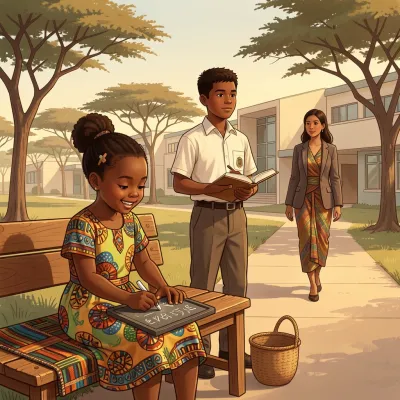
**Summary of "Education In Togo: A Comprehensive Overview from Early Childhood to Higher Education"**
This comprehensive overview examines the evolution and current state of Togo's educational system, shaped by historical foundations that blend indigenous oral traditions with French colonial influences. The system is structured into pre-primary, primary, secondary (with general and technical streams), and higher education, primarily following the French model with recent efforts to nationalize curricula and promote indigenous languages (Ewe and Kabiye) in early learning. Government ministries oversee different sectors, emphasizing policies like the 1975 education reform and the 2008 abolition of primary school fees, which expanded access but strained resources. Key challenges include inadequate infrastructure, teacher shortages, poverty-related barriers to enrollment, gender disparities, and rural-urban divides. Despite these obstacles, achievements such as increased enrollment rates, vocational training expansion, and quality assurance mechanisms reflect ongoing progress. International aid from organizations like UNICEF and UNESCO plays a vital role, supporting literacy programs, technology integration, and infrastructure improvements.
The book delves into the nuanced challenges of access, especially in rural areas, and the critical role of vocational and technical education in addressing youth unemployment. It highlights the importance of teacher training and continuous professional development, particularly in adapting to multilingual pedagogy and inclusive education practices. Special education initiatives and community-based learning models demonstrate efforts to serve marginalized populations. The analysis underscores how education intersects with national development goals, emphasizing economic growth, gender equality, and social cohesion. Case studies illustrate successful programs addressing specific issues, such as gender-responsive sanitation facilities and digital learning in rural schools, showcasing practical solutions to systemic gaps.
Looking ahead, the future of Togolese education hinges on sustained investment, equitable access to technology, and curriculum reforms that align with labor-market demands and global trends. Recommendations emphasize strengthening vocational training partnerships, improving teacher welfare, and expanding early childhood education to build a stronger foundation. Addressing brain drain requires creating attractive domestic opportunities, while inclusive education policies aim to ensure all children, regardless of background or ability, can thrive. The book concludes that overcoming persistent challenges—poverty, infrastructure deficits, and resource allocation—requires strategic planning, public-private collaboration, and a commitment to lifelong learning, positioning education as a cornerstone of Togo’s sustainable development and global competitiveness.
What You'll Find Inside:
- Explores the historical evolution of Togo's education system from pre-colonial oral traditions to post-independence reforms, highlighting the influence of German, French, and British colonial eras on current educational structures.
- Analyzes the structure and governance of Togo's educational system, including the roles of three key ministries, curriculum frameworks, and pathways from early childhood to higher education.
- Addresses persistent challenges such as poverty, infrastructure deficits, teacher shortages, and brain drain, while celebrating achievements in enrollment growth, gender parity, and vocational training development.
- Discusses the critical role of international aid and policy reforms in addressing educational disparities, funding education, and improving access and quality across rural and urban regions.
- Presents future-oriented recommendations and case studies focused on technology integration, inclusive education, curriculum nationalization, and sustainable strategies for overcoming systemic barriers.
Who's It For:
This book is essential for researchers, policymakers, educators, and development practitioners seeking insights into Togo's educational landscape and its socio-economic implications. It is particularly beneficial for those interested in comparative education, educational policy in Francophone Africa, or strategies for addressing systemic challenges in low-resource contexts. Readers will gain a comprehensive understanding of Togo's educational past, present, and potential pathways for advancement.
Table of Contents:
- Introduction
- Chapter 1: Historical Foundations of Togolese Education
- Chapter 2: The Structure of the Togolese Educational System
- Chapter 3: Early Childhood Education: Access and Quality
- Chapter 4: Primary Education: Curriculum and Enrollment
- Chapter 5: Challenges and Achievements in Primary Education
- Chapter 6: Secondary Education: General and Technical Streams
- Chapter 7: Vocational Training and Skills Development
- Chapter 8: Higher Education Institutions in Togo
- Chapter 9: University Access and Admission
- Chapter 10: Quality Assurance in Togolese Higher Education
- Chapter 11: Teacher Training and Professional Development
- Chapter 12: Educational Policies and Reforms
- Chapter 13: Funding and Financing of Education in Togo
- Chapter 14: The Role of International Aid in Education
- Chapter 15: Gender Disparities in Education
- Chapter 16: Education in Rural vs. Urban Areas
- Chapter 17: Special Education Needs and Inclusion
- Chapter 18: The Impact of Technology on Education
- Chapter 19: Language of Instruction and Multilingualism
- Chapter 20: Non-Formal Education and Adult Literacy
- Chapter 21: Education and National Development Goals
- Chapter 22: Challenges: Poverty, Infrastructure, and Brain Drain
- Chapter 23: Opportunities for Educational Advancement
- Chapter 24: Case Studies of Successful Educational Initiatives
- Chapter 25: Future Outlook and Recommendations for Togolese Education
Author:
Published By:
Date Published:
July 6, 2026
Type:
Nonfiction
Language:
English
Word Count:
42,677 words
Reading Time:
2 hours 59 minutes
Sample:
MixCache.com Total Access
Get unlimited access to this book + all books published by MixCache.com for $11.99/month
Subscribe to MTAOr purchase this book individually below
Order:
Buy the Education In Togo ebook on MixCache.com:
Buy Now
Full ebook will be available immediately
- read online or download as a PDF file.
$5 account credit for all new MixCache.com accounts, usable toward any ebook purchase!*





Ratings & Reviews
Ask Questions About This Book
Have a question about the content? Ask our AI assistant!
Start by asking a question about "Education In Togo"
Example: "Does this book mention William Shakespeare?"
Thinking...