
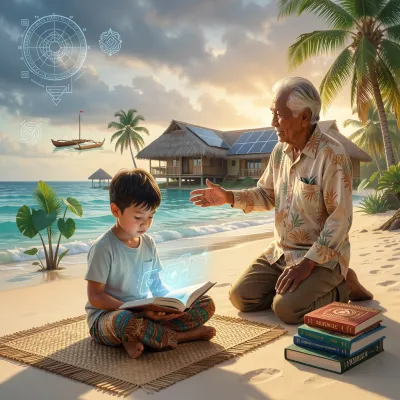
The following is an excerpt from “Education In Tuvalu” by Peter Alvarez, available on MixCache.com.
Introduction
Tuvalu, a remote island nation nestled in the heart of the Pacific, often evokes images of pristine atolls and a unique cultural heritage. Less frequently, however, does one consider the intricate tapestry of its educational landscape. This book, "Education In Tuvalu: A Comprehensive Overview from Early Childhood to Higher Education," endeavors to illuminate this vital, yet often overlooked, aspect of Tuvaluan society. From the earliest lessons imparted within families and communities to the pursuit of advanced academic degrees, education in Tuvalu is a dynamic and evolving journey, shaped by tradition, global influences, and the pressing realities of a changing world.
The significance of understanding education in Tuvalu extends far beyond its geographical borders. As a small island developing state, Tuvalu faces distinctive challenges and opportunities that resonate with other similar nations. Its experiences in fostering literacy, preserving indigenous knowledge, adapting to environmental threats, and leveraging international partnerships offer invaluable insights for educators, policymakers, and development practitioners worldwide. This book seeks to provide a holistic perspective, acknowledging the deep historical roots of learning in Tuvalu while simultaneously exploring the contemporary structures, reforms, and aspirations that define its educational future.
This comprehensive overview will guide readers through the multifaceted dimensions of education in Tuvalu. We will embark on a journey that begins with the historical evolution of its educational system and the rich traditions of knowledge transfer that predate formal schooling. Subsequent chapters will meticulously detail the current structure and governance of education, from the foundational years of early childhood and primary schooling to the pathways available in secondary, technical, and vocational education. The book also delves into the critical areas of higher education, teacher training, curriculum development, and the complexities of language of instruction in a bilingual context.
Beyond the structural elements, "Education In Tuvalu" will explore the vital social and cultural underpinnings of learning. Chapters dedicated to inclusive education, gender equality, and the profound role of community and culture underscore the nation's commitment to equitable and culturally relevant pedagogical approaches. Furthermore, the book addresses the economic realities of funding and financing education, examining the impact of international aid and partnerships in shaping educational outcomes. Crucially, we will confront the unique challenges and innovative solutions pertinent to rural and remote education, and explore the profound impact of climate change and technology on the delivery and relevance of education in Tuvalu.
Ultimately, this book aims to be an indispensable resource for anyone seeking to understand the intricate workings of education in a small island nation facing both enduring traditions and urgent modern challenges. It offers a nuanced examination of Tuvalu’s educational journey, celebrating its achievements, analyzing its persistent hurdles, and casting a hopeful gaze towards its future prospects. Through detailed analysis, case studies, and a forward-looking perspective, "Education In Tuvalu" provides a testament to the resilience and aspirations of a nation committed to empowering its people through knowledge and learning, ensuring that the light of education continues to shine brightly across its scattered islands.
Read “Education In Tuvalu” on MixCache.com →
Please log in or create an account to leave a comment.
No comments yet. Be the first to say something.