Browse by Category
Fiction
- Action & Adventure
- African American
- Anthologies
- Children's Fiction
- Classics
- Comics & Graphic Novels
- Coming of Age
- Contemporary
- Cultural & Regional
- Drama
- Erotica
- Fantasy
- General
- Historical Fiction
- Horror
- Humor & Satire
- Literary Fiction
- Mystery, Thriller & Suspense
- Poetry
- Religious & Inspirational
- Romance
- Science Fiction
- Short Stories
- War & Military
- Westerns
- Women's Fiction
- Young Adult
Non-Fiction
- Antiques & Collectibles
- Arts & Photography
- Biographies & Memoirs
- Business & Money
- Children's Non-Fiction
-
Computers & Technology
- Artificial Intelligence
- Computer Science
- Cybersecurity & Cryptography
- Data Science & Analytics
- Databases & Big Data
- Game Development & Design
- General
- Hardware & DIY
- Mobile App Development
- Networking & Cloud Computing
- Operating Systems
- Programming
- Robotics
- Software
- Software Engineering
- User Experience (UX) & Design
- Web Development & Design
- Cooking, Food & Wine
- Crafts, Hobbies & Home
- Education & Teaching
- Engineering
- General
- Health, Fitness & Dieting
-
History
- African History
- African History - North Africa
- African History - Sub-Saharan Africa
- American History
- American History - 20th Century
- American History - Civil War
- American History - Colonial Period
- Ancient History
- Asian History
- Asian History - China
- Asian History - India
- Asian History - Japan
- Asian History - Southeast Asia
- European History
- European History - Ancient Greece
- European History - Ancient Rome
- European History - Medieval
- European History - Modern
- European History - Renaissance
- General
- Middle Eastern History
- Military History
- Military History - Aviation
- Military History - Naval
- Social & Cultural History
- World History
- Humor & Entertainment
- Industrial Technology
- Language Learning
- Law
- LGBTQ+ Non-Fiction
- Literary Criticism
- Medical Books
- Parenting & Relationships
- Philosophy
- Politics & Social Sciences
- Reference
- Religion & Spirituality
-
Science & Math
- Agricultural Sciences
- Astronomy & Space Science
- Behavioral Sciences
- Biological Sciences
- Botany & Plant Science
- Chemistry
- Earth Sciences
- Engineering - Chemical
- Engineering - Civil
- Engineering - Electrical
- Engineering - Mechanical
- Environment
- General
- Geology
- Mathematics
- Nature & Ecology
- Oceanography
- Paleontology
- Physics
- Statistics
- Self-Help
- Sports & Outdoors
- Study Aids
- Sustainability & Green Living
- Textbooks
- Transportation
- Travel
- True Crime
- Urban Planning & Development
- Veterinary Medicine
- Writing & Publishing
Jump to Section
MixCache.com Total Access
Unlimited reading and audiobooks for every book published by MixCache.com.
Included titles carry the MTA badge.
Learn more →
Education In Saint Lucia
MTA
A Comprehensive Overview from Early Childhood to Higher Education
About this book:
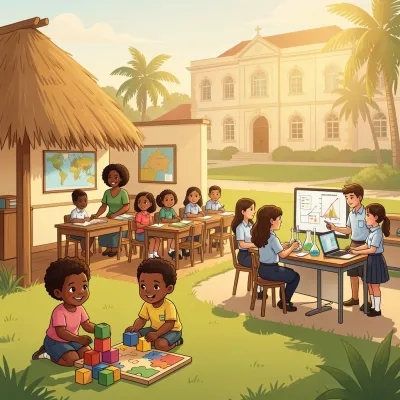
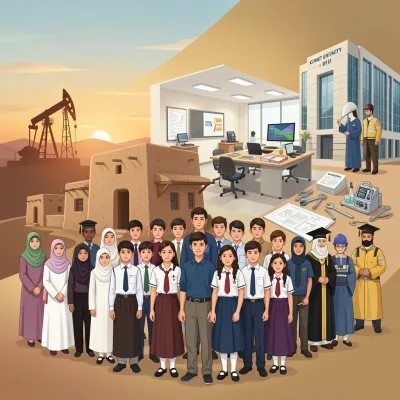
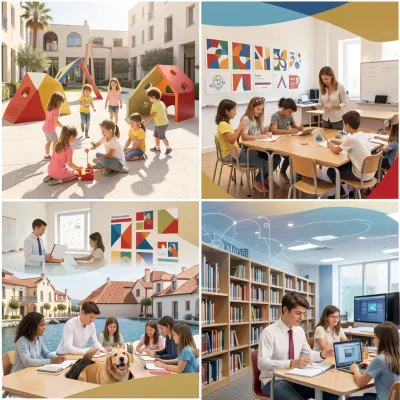
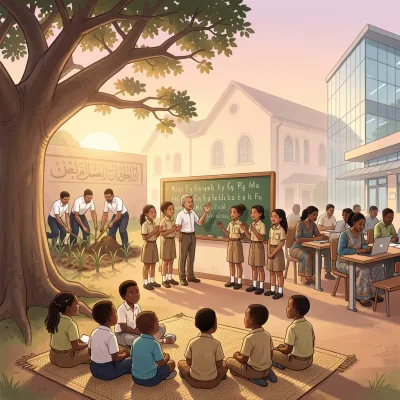
Education in Saint Lucia is portrayed as a dynamic and evolving system shaped by its colonial legacy, religious influences, and ongoing efforts to balance access, quality, and relevance. The book traces the historical foundations from informal Indigenous knowledge transfer through missionary‑led schooling, the establishment of public‑assisted schools, and the gradual integration of government oversight, highlighting how language tensions, denominational rivalry, and elite institutions like St. Mary’s College and St. Joseph’s Convent have left lasting imprints. It outlines the current structure of early childhood education, emphasizing holistic, play‑based learning, national standards, parental involvement, and a mix of public, private, and community‑based providers overseen by the Ministry of Education.
The text then moves through the primary and secondary levels, detailing the national curriculum’s core subjects, cross‑cutting themes, and assessment frameworks such as the Caribbean Primary Exit Assessment and Grade Six National Assessment. It examines the multifaceted role of teachers as facilitators, managers, counselors, and community links, and discusses secondary pathways that blend academic, pre‑vocational, and technical‑vocational options, including TVET programs, CVQs, and the diversification driven by labor‑market needs. Special education needs are addressed through policy frameworks, inclusive practices, specialized schools, and ongoing teacher training, while the transition to higher education is guided by CSEC/CAPE results, guidance counseling, financial aid, and articulation routes via institutions like Sir Arthur Lewis Community College and the UWI Open Campus.
Higher education is explored through the profile of local and international institutions—including SALCC, UWI Open Campus, Monroe College, and offshore medical schools—accreditation by the National Accreditation Board, and the range of associate, bachelor’s, and professional programs offered. The book also covers distance learning and online education, adult and lifelong learning initiatives such as NELP, and the impact of technology on pedagogy, assessment, and administrative efficiency. Government policies, funding mechanisms, challenges (equity, infrastructure, teacher retention, digital divide), and opportunities (technology‑enhanced learning, TVET expansion, international partnerships, community involvement) are critically analyzed. Finally, it presents educational outcomes, future prospects, and a vision centered on equity, learner‑centered innovation, educator professionalization, curriculum relevance, data‑driven decision‑making, strong partnerships, and the cultivation of global citizens rooted in Saint Lucian cultural identity.
What You'll Find Inside:
- The historical evolution of Saint Lucia's education system, including colonial legacies and religious influences.
- In-depth analysis of early childhood education, its structure, and child-centered pedagogical approaches.
- Exploration of vocational and technical education pathways aligned with economic and workforce needs.
- The role of technology and international partnerships in driving educational innovation and access.
- Strategies for inclusive education, special needs support, and lifelong learning initiatives.
Who's It For:
This book is essential for educators, policymakers, researchers, and students in Saint Lucia seeking a comprehensive understanding of the nation's education system. It is particularly valuable for administrators, teachers, and stakeholders involved in educational planning and reform. Additionally, it serves scholars and practitioners interested in comparative education in the Caribbean region, offering insights into historical, cultural, and contemporary challenges. Anyone passionate about educational equity, vocational training, or the intersection of technology and learning will find this resource both informative and inspiring.
Table of Contents:
- Introduction
- Chapter 1: Historical Foundations of Saint Lucian Education
- Chapter 2: The Structure of Early Childhood Education
- Chapter 3: Pedagogical Approaches in Early Learning
- Chapter 4: Primary Education: Curriculum and Standards
- Chapter 5: The Role of Teachers in Primary Schools
- Chapter 6: Assessment and Evaluation in Primary Education
- Chapter 7: Secondary Education: Aims and Objectives
- Chapter 8: Diverse Pathways in Secondary Schooling
- Chapter 9: Vocational and Technical Education Opportunities
- Chapter 10: Special Education Needs in Saint Lucia
- Chapter 11: The Transition from Secondary to Higher Education
- Chapter 12: Higher Education Institutions in Saint Lucia
- Chapter 13: Accreditation and Quality Assurance in Higher Education
- Chapter 14: University Programs and Specializations
- Chapter 15: Distance Learning and Online Education
- Chapter 16: Adult Education and Lifelong Learning Initiatives
- Chapter 17: Government Policies and Educational Reform
- Chapter 18: Funding and Financing of Education
- Chapter 19: The Impact of Technology on Education
- Chapter 20: Challenges and Opportunities in the Education Sector
- Chapter 21: International Partnerships and Educational Exchange
- Chapter 22: The Role of Community in Educational Development
- Chapter 23: Teacher Training and Professional Development
- Chapter 24: Educational Outcomes and Future Prospects
- Chapter 25: A Vision for the Future of Education in Saint Lucia
Author:
Published By:
Date Published:
July 4, 2026
Type:
Nonfiction
Language:
English
Word Count:
41,016 words
Reading Time:
2 hours 52 minutes
Sample:
Order:
Order Education In Saint Lucia (Paperback) on MixCache.com:
Buy NowPrint copy is made to order and ships worldwide. Includes the ebook free, ready to read instantly.
$5 account credit for all new MixCache.com accounts, usable toward any ebook purchase!*