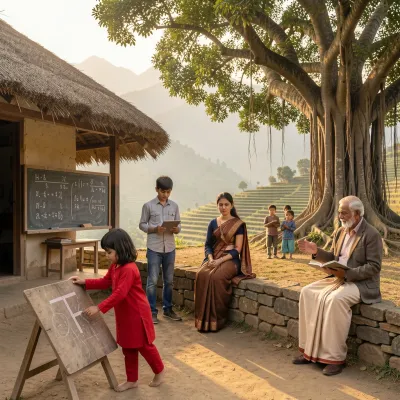
Browse by Category
Fiction
- Action & Adventure
- African American
- Anthologies
- Children's Fiction
- Classics
- Comics & Graphic Novels
- Coming of Age
- Contemporary
- Cultural & Regional
- Drama
- Erotica
- Fantasy
- General
- Historical Fiction
- Horror
- Humor & Satire
- Literary Fiction
- Mystery, Thriller & Suspense
- Poetry
- Religious & Inspirational
- Romance
- Science Fiction
- Short Stories
- War & Military
- Westerns
- Women's Fiction
- Young Adult
Non-Fiction
- Antiques & Collectibles
- Arts & Photography
- Biographies & Memoirs
- Business & Money
- Children's Non-Fiction
-
Computers & Technology
- Artificial Intelligence
- Computer Science
- Cybersecurity & Cryptography
- Data Science & Analytics
- Databases & Big Data
- Game Development & Design
- General
- Hardware & DIY
- Mobile App Development
- Networking & Cloud Computing
- Operating Systems
- Programming
- Robotics
- Software
- Software Engineering
- User Experience (UX) & Design
- Web Development & Design
- Cooking, Food & Wine
- Crafts, Hobbies & Home
- Education & Teaching
- Engineering
- General
- Health, Fitness & Dieting
-
History
- African History
- African History - North Africa
- African History - Sub-Saharan Africa
- American History
- American History - 20th Century
- American History - Civil War
- American History - Colonial Period
- Ancient History
- Asian History
- Asian History - China
- Asian History - India
- Asian History - Japan
- Asian History - Southeast Asia
- European History
- European History - Ancient Greece
- European History - Ancient Rome
- European History - Medieval
- European History - Modern
- European History - Renaissance
- General
- Middle Eastern History
- Military History
- Military History - Aviation
- Military History - Naval
- Social & Cultural History
- World History
- Humor & Entertainment
- Industrial Technology
- Language Learning
- Law
- LGBTQ+ Non-Fiction
- Literary Criticism
- Medical Books
- Parenting & Relationships
- Philosophy
- Politics & Social Sciences
- Reference
- Religion & Spirituality
-
Science & Math
- Agricultural Sciences
- Astronomy & Space Science
- Behavioral Sciences
- Biological Sciences
- Botany & Plant Science
- Chemistry
- Earth Sciences
- Engineering - Chemical
- Engineering - Civil
- Engineering - Electrical
- Engineering - Mechanical
- Environment
- General
- Geology
- Mathematics
- Nature & Ecology
- Oceanography
- Paleontology
- Physics
- Statistics
- Self-Help
- Sports & Outdoors
- Study Aids
- Sustainability & Green Living
- Textbooks
- Transportation
- Travel
- True Crime
- Urban Planning & Development
- Veterinary Medicine
- Writing & Publishing
Jump to Section
MixCache.com Total Access
Unlimited reading and audiobooks for every book published by MixCache.com.
Included titles carry the MTA badge.
Learn more →
Education In Malawi
MTA
A Comprehensive Overview from Early Childhood to Higher Education
About this book:
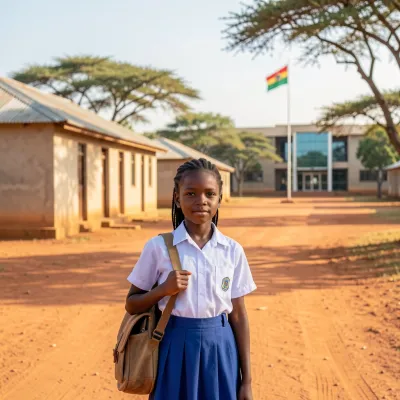
Education in Malawi has evolved from informal, community‑based learning in the pre‑colonial era to a formal, multi‑level system shaped by missionary initiatives, colonial administration, and post‑independence reforms. The arrival of Christian missionaries in the late 19th century introduced the first schools, which were later supplemented by limited government involvement and, after independence in 1964, by efforts to Africanize the curriculum, expand access, and assert national control through bodies such as the Malawi National Examinations Board. Subsequent policies—including Free Primary Education (1994), the recent 1‑6‑6‑3 secondary structure, and the establishment of regulatory agencies like the National Council for Higher Education and TEVETA—have sought to broaden participation while addressing quality, relevance, and equity.
The system is organized into early childhood development and education (ECDE), eight years of compulsory primary education, four years of secondary education (now divided into Lower, Upper, and Advanced levels with pathways in STEM, TEVET, Arts, and Humanities), technical and vocational training, and higher education delivered by public and private universities and colleges. Governance is centralized in the Ministry of Education, Science and Technology, with decentralized implementation through District Education Offices, School Management Committees, and Parent‑Teacher Associations, while quality assurance is overseen by bodies such as the Malawi Institute of Education, the National Examinations Board, and the National Council for Higher Education. Teacher preparation occurs at Primary Teacher Training Colleges and university education faculties, supplemented by continuous professional development, though challenges persist regarding training quality, deployment—especially in rural areas—and motivation.
Persistent challenges include inadequate infrastructure, overcrowded classrooms, limited learning materials, teacher shortages, and uneven financing, which together produce stark urban‑rural divides in access and outcomes. Gender disparities, while reduced at primary entry, widen at secondary and higher levels, and children with special needs face barriers to inclusion. The HIV/AIDS epidemic severely depleted the teaching force and increased vulnerability among learners, prompting integrated health and psychosocial responses. Emergencies such as floods, cyclones, and the COVID‑19 pandemic have repeatedly disrupted schooling, spurring efforts to build resilience through climate‑smart education, emergency preparedness, and flexible learning modalities. ICT integration remains hampered by limited electricity and connectivity, while language policy grapples with balancing mother‑tongue instruction in early grades against the need for English proficiency later on. International aid and partnerships have been vital in expanding access, supporting reforms, and providing technical expertise, though aid dependency and coordination issues linger.
Looking forward, Malawi’s educational development hinges on strengthening ECDE, improving primary and secondary learning outcomes through better‑trained teachers, adequate materials, and learner‑centered pedagogy, closing the urban‑rural gap via targeted incentives and infrastructure investments, diversifying financing with sustainable domestic revenue and innovative mechanisms, fully leveraging ICT after addressing foundational gaps, deepening the relevance of TEVET and higher education through industry linkages, enhancing research‑to‑policy linkages, expanding non‑formal and adult education pathways, and fostering robust community and parental participation. By pursuing these integrated strategies, Malawi aims to build an equitable, quality education system that empowers its citizens to achieve Vision 2063 and drive national prosperity.
What You'll Find Inside:
- A complete historical trajectory of Malawian education from pre-colonial informal learning through missionary schools, colonial administration, and post-independence reforms to modern policies.
- Detailed analysis of the education system's structure and governance across all levels (ECDE, primary, secondary, TEVET, and higher education) including key ministries, regulatory bodies, and administrative frameworks.
- In-depth examination of critical cross-cutting challenges including gender disparities, special needs education, HIV/AIDS impact, urban-rural divides, and emergency situations affecting educational access and quality.
- Comprehensive coverage of curriculum development, assessment systems, and pedagogical approaches at each educational level, with specific focus on recent reforms like the 1-6-6-3 secondary structure and pathway specialization.
- Forward-looking analysis of future prospects and evidence-based recommendations for educational development aligned with Malawi Vision 2063, covering financing, ICT integration, teacher quality, and system resilience.
Who's It For:
This book is essential for education policymakers and government officials involved in sector planning and reform, researchers and academics studying African education systems, teacher trainers and educators at all levels seeking contextual understanding, international development partners and NGOs designing interventions in Malawi, and graduate students in education, international development, or African studies who require a comprehensive reference on the Malawian educational landscape.
Table of Contents:
- Introduction
- Chapter 1: Historical Foundations of Malawian Education
- Chapter 2: The Structure and Governance of Education in Malawi
- Chapter 3: Early Childhood Development and Education (ECDE) in Malawi
- Chapter 4: Access and Equity in Early Childhood Education
- Chapter 5: Primary Education: Curriculum and Pedagogy
- Chapter 6: Challenges and Reforms in Primary Education
- Chapter 7: Secondary Education: Structure and Pathways
- Chapter 8: Curriculum Development and Assessment in Secondary Schools
- Chapter 9: Technical, Entrepreneurial, and Vocational Education and Training (TEVET)
- Chapter 10: Higher Education Landscape: Universities and Colleges
- Chapter 11: Quality Assurance and Accreditation in Higher Education
- Chapter 12: Teacher Education and Professional Development
- Chapter 13: Education Financing and Budget Allocation
- Chapter 14: The Role of International Aid and Partnerships in Education
- Chapter 15: Gender Disparities and Inclusive Education
- Chapter 16: Education for Children with Special Needs
- Chapter 17: The Impact of HIV/AIDS on the Education System
- Chapter 18: Education in Emergencies and Crisis Situations
- Chapter 19: Information and Communication Technology (ICT) in Education
- Chapter 20: Language Policy and Medium of Instruction
- Chapter 21: Urban-Rural Divide in Educational Access and Quality
- Chapter 22: Community Participation and Parental Involvement in Schools
- Chapter 23: Non-Formal and Adult Education Initiatives
- Chapter 24: Educational Research and Innovation in Malawi
- Chapter 25: Future Prospects and Recommendations for Educational Development
Author:
Published By:
Date Published:
June 28, 2026
Type:
Nonfiction
Language:
English
Word Count:
40,029 words
Reading Time:
2 hours 48 minutes
Sample:
Order:
Order Education In Malawi (Paperback) on MixCache.com:
Buy NowPrint copy is made to order and ships worldwide. Includes the ebook free, ready to read instantly.
$5 account credit for all new MixCache.com accounts, usable toward any ebook purchase!*