
Maria stood on the sidewalk of her new neighborhood, keys to her first electric vehicle in hand, staring at the dimly lit parking lot across the street. Her charming, historic apartment building had no garage, no driveway, and no outlet within fifty feet of her assigned space. The charging cable coiled in her trunk might as well have been a jump rope for all the good it did her. She had imagined the EV life as seamless — plug in overnight, wake up full — but the reality for a renter in a multi-unit building looked more like a logistics puzzle with missing pieces.
The Charging Desert Next Door
Maria's situation is far from unique. Studies estimate that only a fraction of U.S. vehicles have reliable access to a dedicated home charging space with an accessible outlet. For the millions of Americans living in apartments, condominiums, and other multi-unit dwellings, the lack of charging infrastructure creates what advocates call "charging deserts" — areas dense with housing but barren of the power needed to fuel an electric car. The problem is structural: renters rarely have the authority to install electrical upgrades, and property owners often lack the incentive or capital to do it for them. The result is a two-tiered EV adoption curve where homeowners charge cheaply overnight while renters rely on public networks that can cost two to three times more per kilowatt-hour, erasing the fuel savings that make EVs economical in the first place.
The Workaround Menu
Faced with no home charging, Maria mapped her alternatives. Workplace charging topped the list — if her employer offered Level 2 stations, she could replenish most of her daily range during an eight-hour shift. Many businesses now install chargers as a talent-retention perk, and some utilities offer incentives that cover much of the installation cost. Public Level 2 stations at shopping centers, libraries, and municipal garages provided a secondary layer, though they required planning and patience. For drivers with short commutes — under thirty miles a day — a standard 120-volt outlet on a dedicated circuit, if one could be found and permission secured, could add enough range overnight to cover daily needs. But the most promising model for dense housing was the shared community charger: a few Level 2 stations in a common lot, managed by the property or a third-party provider, with software that handles scheduling, billing, and access control. This approach spreads cost across residents and turns charging into a building amenity rather than an individual burden.
The Negotiation
Maria's biggest hurdle wasn't technical — it was political. Property managers and condo boards often default to "no" when asked about EV charging, citing upfront cost, electrical capacity limits, liability concerns, and the headache of managing energy use. But the conversation shifts when residents come prepared. Maria researched state and utility incentives that could cover most or all of the hardware and installation costs for multifamily properties. She surveyed her neighbors and found three other EV owners and several more considering the switch, turning a solo request into a collective demand. She drafted a proposal outlining two ownership models: the building could own and operate the stations, charging users a fee that covers electricity and maintenance, or a third-party EV service provider could handle everything — installation, management, billing — at no cost to the HOA. She also cited her state's "Right to Charge" law, which prohibits HOAs from unreasonably denying a resident's request to install a charger in their deeded parking space, provided the resident pays the costs. The law exists in California, Colorado, Florida, Illinois, Oregon, and a growing list of other states, giving residents legal leverage they often don't know they have.
David's Victory
In a condominium complex across the city, David had already walked this path. He owned an EV but relied entirely on public charging, a routine that grew tedious fast. Instead of complaining, he started knocking on doors. An informal survey revealed five other EV owners in the building and even more planning to buy. He approached the HOA with a proposal for two shared Level 2 chargers in the common garage, managed by a third-party provider who would handle installation, maintenance, and billing — zero upfront cost, zero administrative burden for the board. He highlighted the property value boost, the tenant appeal, and the state's Right to Charge statute. The HOA approved a pilot program. Within six months, the stations were live, residents were charging happily, and the board was discussing expansion due to demand. David's playbook — survey neighbors, propose turnkey solutions, cite the law — became a template Maria could follow.
The landscape is shifting. Utilities are launching targeted programs for multifamily housing, offering make-ready infrastructure support and discounted EV charging rates. Cities are streamlining permitting and experimenting with pole-mounted chargers that tap existing streetlight circuits, slashing installation costs. Mobile charging services and repurposed telecom cabinets are filling gaps in the meantime. For renters like Maria, the message is clear: the infrastructure gap is real, but it is not permanent. The same market forces that put EVs in driveways are now pushing chargers into apartment lots — one organized resident, one willing property manager, one pilot program at a time.
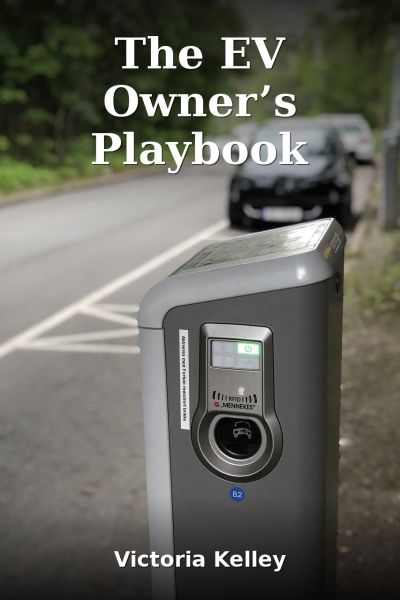
This is one episode in a much longer story. For the full account of electric vehicle charging access for renters and condo owners, read “The EV Owner’s Playbook” by Victoria Kelley on MixCache.com.
Please log in or create an account to leave a comment.
No comments yet. Be the first to say something.