
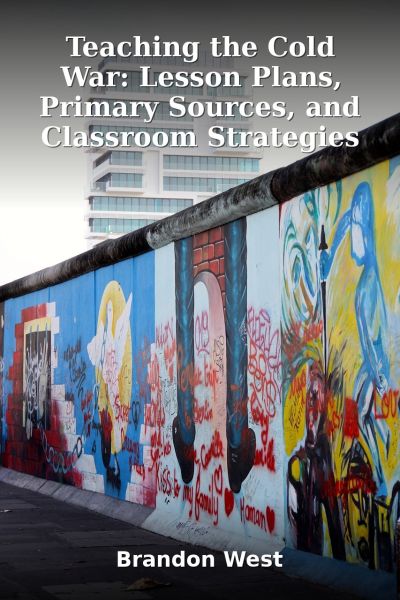
On the evening of November 9, 1989, a mid-level East German official stepped before cameras for a routine press briefing. He shuffled papers, misspoke about new travel regulations, and accidentally told the world the Berlin Wall was open effective immediately. Within hours, thousands of East Berliners had gathered at the checkpoints, and the guards — lacking orders to shoot — stepped aside. The barrier that had divided a city for 28 years fell not to tanks or treaties, but to a bureaucratic error and the unstoppable press of ordinary people.
The Press Conference That Changed Everything
The announcement was meant to be a controlled easing of travel restrictions, part of a managed reform package negotiated by the ruling Socialist Unity Party. But the official, reading from a draft he had not fully absorbed, declared that East Germans could cross the border "immediately, without delay." He did not specify the required visas, the waiting periods, or the limited crossing points. When a journalist asked when the rule took effect, he improvised: "As far as I know, effective immediately, without delay." The words ricocheted across West German television and radio, reaching East Berliners in their living rooms within minutes. No one in the leadership corrected him. No one clarified. The vacuum filled with rumor and hope.
The Floodgates Open
By nightfall, crowds had formed at the Bornholmer Straße crossing and other checkpoints. They chanted, they wept, they demanded the gates open. The border guards, trained to enforce the world's most fortified frontier, found themselves facing not enemies but neighbors — grandmothers, teenagers, workers in coats still dusted from the day shift. The guards called superiors for orders. The superiors called higher superiors. No one dared authorize lethal force against a peaceful throng that now numbered in the tens of thousands. At 11:30 p.m., the commander at Bornholmer Straße made a decision: he ordered the barriers raised. East Berliners streamed through, blinking in the sudden light of West Berlin, embraced by strangers offering flowers, champagne, and tears. The scene repeated at checkpoint after checkpoint. By midnight, the Wall was no longer a barrier; it was a stage.
A Symbolic and Practical Breakthrough
Television cameras captured the surreal tableau: young couples dancing atop the concrete slabs, hammers chipping away at the hated symbol, East German Trabants puttering into the neon glow of Kurfürstendamm. The images traveled the globe faster than any diplomatic cable. The Wall's fall was both a spontaneous eruption and the culmination of years of pressure — mass demonstrations in Leipzig, the exodus through Hungary and Czechoslovakia, the Soviet Union's refusal to intervene. The confused announcement acted as the spark that ignited dry tinder. It transformed a negotiated process into a popular seizure of history. The Wall, built to keep people in, became the backdrop for their liberation.
The Long Shadow of a Mistake
The opening forced a reckoning no government could delay. Within weeks, the East German state began negotiating its own dissolution. The "Two plus Four" talks — the two Germanys and the four wartime allies — converted the chaotic night into a diplomatic framework for reunification. The Soviet Union, under Mikhail Gorbachev, accepted a unified Germany in NATO, a concession unimaginable months earlier. The mistake of November 9 did not cause the Cold War's end, but it fixed the moment when the end became visible, irreversible, and human. The Wall fell because a functionary misspoke, because guards chose restraint, because citizens claimed a future they had been promised for decades. It remains the rare historical hinge turned not by a general or a statesman, but by a muddled sentence and the courage of a crowd.
This is one episode in a much longer story. For the full account of the Cold War, read “Teaching the Cold War: Lesson Plans, Primary Sources, and Classroom Strategies” by Brandon West on MixCache.com.
Please log in or create an account to leave a comment.
No comments yet. Be the first to say something.