
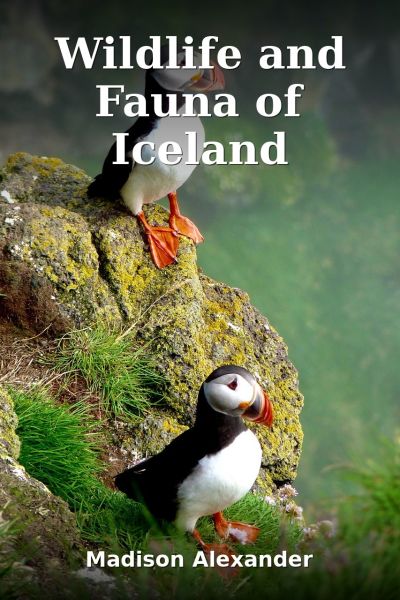
On the black sand beaches of Heimaey, the only inhabited island in the Westman archipelago, the midnight sun still lingers in mid-August. But the light that matters most comes from the streetlamps and house windows of the town. It draws them down from the cliffs — thousands of pufflings, the chicks of Atlantic puffins, leaving their burrows for the first time and mistaking the artificial glow for the moonlit ocean they are programmed to find.
A Colony in the Backyard
Heimaey hosts the largest Atlantic puffin colony in the world. Between eight and ten million puffins breed in Iceland each summer — over 60 percent of the global population — and roughly half of them nest here, in burrows dug into the grassy slopes above the harbour. For weeks, the adult birds have been shuttling beakfuls of sand eels and capelin to their single chicks, flying up to 400 wingbeats per minute across the breeding grounds. By late summer, the pufflings are fully feathered and ready to fledge. Instinct tells them to leave at night, scrambling down to the sea under cover of darkness.
But the town sits at the foot of those same slopes. Its lights — sodium lamps, porch bulbs, the glow from living rooms — create a false horizon. Disoriented, the young birds land on roads, in gardens, behind fish factories, and in parking lots. They huddle under cars and against basement doors, unable to launch themselves back into the air. Their wings, built for swimming and distance flight, need a runway or a cliff drop to achieve lift. On flat ground, they are stranded.
The Patrol Begins
The tradition began informally, decades ago, when locals noticed the confused chicks accumulating in the streets. Today, it is an organised ritual. As dusk settles, children — some barely tall enough to reach a car's undercarriage — fan out across the town with cardboard boxes and flashlights. They move in pairs or small groups, often accompanied by parents or grandparents, scanning the pavement and verges. When they spot a puffling, they corner it gently, cup it in both hands, and place it in a ventilated box. A single night's patrol can yield dozens of birds.
The rescued chicks are kept overnight in garages and sheds, safe from cats and traffic. At dawn, the children carry the boxes to the cliffs or the harbour's edge. One by one, they toss the pufflings into the wind. The birds catch the updraft, wings snapping open, and vanish over the water. Some hesitate, flapping awkwardly before finding the rhythm. The children watch until every box is empty.
From Harvest to Rescue
The patrol is a relatively recent chapter in a long, fraught relationship. For centuries, the people of the Westman Islands harvested puffins for food and feathers, scaling the cliffs with ropes and nets. By the turn of the 20th century, the colony had nearly collapsed. Hunting bans introduced around 1900 allowed the population to recover, but the cultural memory of the bird as a resource lingered. Older residents recall eating puffin as a regular meal; the meat was salted, smoked, or stewed.
The shift from hunting to helping began as the islands' economy turned toward tourism and fishing. Puffins became an emblem — their comical, colourful beaks adorning souvenirs and postcards. But the rescue effort is more than sentiment. The puffling patrol directly supplements a population already pressured by warming seas, shifting fish stocks, and the invasive American mink, which reached the mainland in the 1930s and preys on eggs and chicks in accessible colonies. On Heimaey, the mink has not established a foothold, but the town's lights present a different, human-made hazard.
A Measured Success
Researchers from the South Iceland Nature Research Centre have monitored the colony for decades. They estimate that without the patrol, a significant percentage of each year's fledglings would perish in the streets — hit by cars, taken by cats, or simply dying of exhaustion. The numbers vary annually. In years when sand eels are scarce, the adults struggle to feed their chicks, and fewer pufflings fledge at all. In good years, the patrol may handle hundreds of birds over a few weeks.
The data also reveal a subtle change in the birds themselves. Puffins are philopatric — they return to the colony where they hatched. Some of the pufflings tossed from the harbour wall in the 1990s are now breeding adults, nesting in the same slopes above the town that once disoriented them. The patrol, in effect, has become part of the colony's survival strategy, a human intervention that mimics the missing darkness.
The Long Night
For the children, the patrol is a rite of passage. They learn to handle a wild bird without injury, to distinguish a puffling's soft peep from the cry of a kittiwake, to navigate the town's alleys in the small hours. They argue over who found the most, who carried the heaviest box. Teachers sometimes excuse late arrivals at school the next morning. The event stitches the community to its non-human neighbours in a way few modern traditions do.
By late August, the exodus ends. The cliffs fall quiet. The puffins scatter across the North Atlantic, riding the currents toward winter feeding grounds off Greenland and Newfoundland. They will not touch land again for years. The streetlamps of Heimaey burn through the autumn storms, illuminating empty pavements. But come spring, the adults will return, their beaks bright with the breeding season's paint, and the burrows will fill once more. And the children will be waiting, boxes in hand, for the next generation to fall from the sky.
This is one episode in a much longer story. For the full account of wildlife of Iceland, read “Wildlife and Fauna of Iceland” by Madison Alexander on MixCache.com.
Please log in or create an account to leave a comment.
No comments yet. Be the first to say something.