
The fire has been burning since midday, fed with cottonwood and dried dung until the kazan glows dull red. Inside, a thick amber slurry churns — wheat sprouts crushed to a paste, then slow-cooked for eighteen hours. Three women sit on low stools around the pot, their wooden paddles moving in a rhythm that has not broken since sunset. They will not stop until the first light hits the courtyard walls. This is Sumalak, the pudding that calls spring into being, and tonight the village of Qorategin will not sleep until it is done.
The Sprouting Begins in Darkness
The work starts five days before Nowruz, when the wheat berries go into cotton sacks and are soaked in the irrigation ditch that runs behind the mosque. By the third day, white shoots push through the husks, pale as hair. The women spread them on clean cloths in the darkest room of the house, misting them twice daily. By the fifth morning, the shoots are two inches long, sweet with the sugar the grain has made to fuel its own growth. No sugar will be added to the kazan; the sweetness comes entirely from what the wheat has already stored.
Grinding the sprouts takes two women turning a hand mill for three hours. The paste is pale green, smelling of cut grass and wet earth. It goes into the kazan with water — forty liters for twenty kilos of wheat — and the fire is brought up slow. The first four hours are the most dangerous: the mixture can scorch in minutes if the paddle pauses. So the stirring begins in shifts, two women at a time, while the others peel garlic for the evening plov, or roll dough for the festive breads that will bake tomorrow.
The Vigil and the Stones
By midnight the courtyard is full. Neighbors arrive with bowls of yogurt, plates of dried apricots, thermoses of tea. Children chase each other between the mulberry trees, their breath visible in the March chill. The three core stirrers — a grandmother, her daughter, and a niece — have not left the kazan since dusk. Their arms move in a wide, slow figure-eight, the paddle kissing the curved iron wall on every pass. They sing an old song about the snow melting on the Pamirs, then a newer one about a daughter who married into the city and sends money for a new roof. Laughter spikes whenever someone's paddle hits the hidden stones.
Five clean river stones went into the pot at the start, each washed and blessed. A walnut shell followed, then a knucklebone from last autumn's sheep. Whoever finds a stone in their serving tomorrow will have a year of good harvest; the walnut means a wedding in the family; the knucklebone, a birth. The objects tumble in the dark sludge, invisible, migrating with the current. The women know roughly where they are — they have done this every year since girlhood — but the game is to pretend surprise.
The First Bowl at Dawn
At 5:17 a.m., the eastern ridge catches fire. The slurry has darkened to the color of wet walnut shells, thick enough to hold a paddle upright. The grandmother calls a halt. She lifts the kazan off the fire with a chain hook, and the women ladle the steaming pudding into a wooden trough. It is still bubbling, releasing clouds of scent — malt, honey, something almost floral. The first bowl goes to the oldest man in the village, the imam's father, who takes it with both hands and whispers a prayer. He finds a stone. The crowd murmurs approval.
Bowls pass hand to hand. A teenager gets the walnut shell and hides a grin. A young wife receives the knucklebone and presses her palm to her stomach. The pudding is hot, chewy, intensely sweet without cloying. It tastes like concentrated spring. By midmorning the trough is empty, scraped clean with fingers. The kazan is washed in the ditch, the paddle hung on its nail. The women finally sit back on their heels, wipe their forearms across their foreheads, and pour tea. The fire dies. The village eats plov for lunch, but the real feast happened in the dark, stirred into existence by arms that would not stop.
What the Night Holds
Sumalak does not keep. It ferments by afternoon, turning sour, so it must be eaten now, shared now. That urgency is the point. The ritual binds the harvest to come to the labor of tonight, the community to the land, the living to the dead who taught them the rhythm. In Qorategin, no one writes the recipe down. It lives in the length of the paddle, the depth of the kazan, the number of stones, the songs that rise when the stirring grows hard. Spring arrives not on the calendar but in the moment the first bowl crosses the threshold — warm, sweet, and earned.
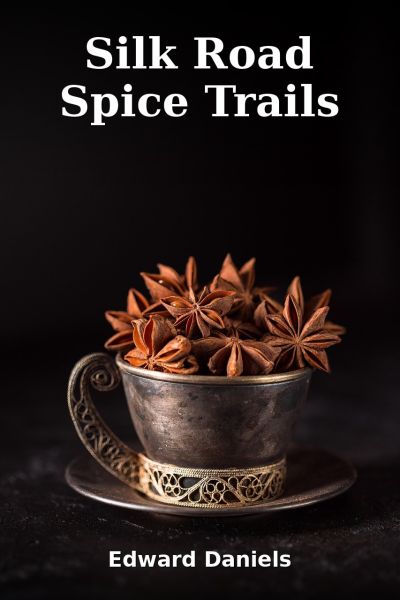
This is one episode in a much longer story. For the full account of Nowruz and the spring equinox, read “Silk Road Spice Trails” by Edward Daniels on MixCache.com.
Please log in or create an account to leave a comment.
No comments yet. Be the first to say something.