
The year was 1870-something. A British Royal Navy vessel lay at anchor in a Japanese port, its galley sending up the fragrant steam of a stew seasoned with curry powder — a spice blend the sailors had adopted during their postings in India. Japanese observers, living through the dizzying modernization of the Meiji era, tasted this European-style dish and found it novel. They could not have known that this humble naval stew would, within a century, become the default comfort meal of an entire nation, served in school cafeterias, late-night diners, and family kitchens from Hokkaido to Okinawa.
The Naval Connection
Curry came to Japan not from India, but from the British Empire. In the late 19th century, as Japan flung open its doors to Western technology and ideas, the British Royal Navy introduced curry powder as a convenient way to flavor stews aboard ship. The Japanese encountered it as a Western dish: a thin, brown gravy ladled over rice, bearing little resemblance to the complex, layered curries of the subcontinent. It arrived as part of yōshoku — Western-influenced Japanese cuisine — alongside tonkatsu and hambagu steak. But unlike those dishes, curry would undergo a radical domestication, shedding its foreign origins to become something unmistakably Japanese.
Adapting a Foreign Stew
Japanese cooks began tinkering. They thickened the broth with flour, softened the spice heat with sugar and fruit, and deepened the savor with soy sauce and dashi. The result was a gravy so rich it clung to every grain of rice, sweet enough for a child's palate, savory enough for a laborer's lunch. By the early 20th century, curry rice had migrated from hotel dining rooms to department store cafeterias. Yet it remained a restaurant dish — until the military got involved.
The Military Kitchen
The Imperial Japanese Navy and Army adopted curry as a field and mess-hall staple. It was nutritious, scalable, and could stretch cheap cuts of meat and whatever vegetables were on hand. A single pot fed hundreds. Sailors and soldiers grew up eating it every Friday — a tradition the Maritime Self-Defense Force maintains to this day. When conscripts returned to civilian life, they brought the habit home. Curry became the taste of shared service, a national dish forged in galley pots.
The Roux Block Revolution
The final transformation came in the 1950s, when food manufacturers compressed curry powder, flour, oil, and seasonings into solid blocks that dissolved instantly in hot water. Housewives no longer needed to toast spices or whisk a roux; they simply broke a chocolate-bar-sized slab into a simmering pot of potatoes, carrots, and onions. Brands like House Foods and S&B competed on mildness, sweetness, and novelty flavors — apple, honey, even cheese. The roux block turned curry from a weekend project into a Tuesday-night rescue. Today, the vast majority of Japanese home cooks still reach for the block.
The dish has spawned its own ecosystem: katsu karē, where a crisp pork cutlet crowns the rice and gravy; fukujinzuke, the sweet-sour pickle relish that cuts the richness; rakkyō, tiny pickled shallots that add crunch. It is served in oversized spoons, eaten with the rice spooned into the sauce. Though born of empire and adaptation, Japanese curry is now a yōshoku classic — a modern comfort food that tastes like home.
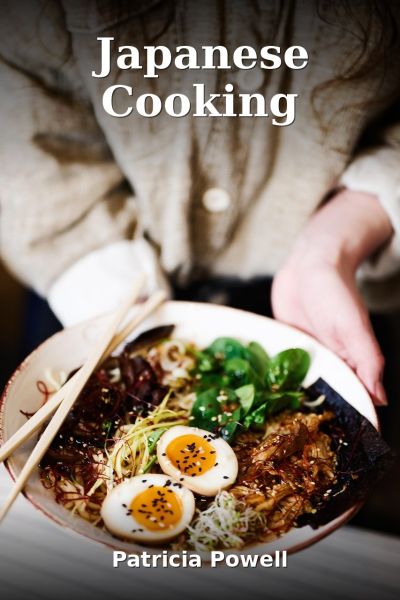
This is one episode in a much longer story. For the full account of Japanese home cooking, read “Japanese Cooking” by Patricia Powell on MixCache.com.
Please log in or create an account to leave a comment.
No comments yet. Be the first to say something.