
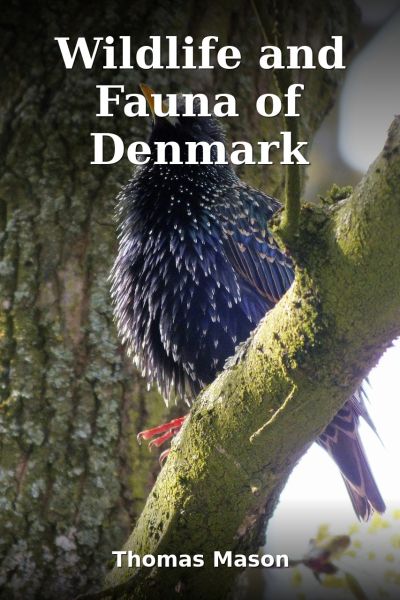
The following is an excerpt from “Wildlife and Fauna of Denmark” by Thomas Mason, available on MixCache.com.
Introduction
Denmark, a tapestry of low islands and gentle coastlines nestled between the North Sea and the Baltic, holds within its boundaries a remarkably rich diversity of wildlife and natural habitats. Despite its relatively modest land area and intensive agricultural legacy, Denmark stands as a testament to nature’s resilience and the complexity of life in northern Europe. With over 30,000 recorded species of plants, fungi, and animals, the country offers a fascinating landscape for naturalists and visitors alike—a place where the Atlantic and continental climates converge, shaping unique ecosystems and a wealth of living organisms.
The Danish archipelago—over 400 islands scattered around the Jutland Peninsula—provides a varied topography that fosters an equally nuanced biological tapestry. The sweeping coastlines, measuring close to 7,000 kilometers, create dynamic interactions between land and sea. These zones are not only vital corridors for migratory birds and marine life but also important refuges for rare and threatened species. The interplay of saltwater and brackish environments leads to a rich mosaic of habitats, from windswept dunes to serene salt marshes and ever-changing estuaries.
Historically, Denmark’s natural environments have faced significant pressures from human activity, notably agriculture, deforestation, and urban expansion. Once home to majestic megafauna like elks, wild boars, and aurochs, Denmark has witnessed the loss and, in some cases, the return of species through concentrated conservation efforts. While certain populations have disappeared, others have today made a remarkable recovery, such as the Eurasian beaver and the elusive grey wolf, reflecting an ongoing story of ecological change and restoration.
The living world of Denmark extends far beyond its forests and fields. Its rivers, lakes, and wetlands serve as critical lifelines for amphibians, fish, and invertebrates, while the woodlands offer sanctuary for deer, foxes, and myriad smaller mammals. Danish skies are traced by the wings of resident and migratory birds alike, with the phenomenon of the "Black Sun"—the swirling flocks of starlings—standing as one of Europe’s most extraordinary wildlife spectacles. Among insects, butterflies, bees, and beetles not only support healthy ecosystems but also carry cultural significance, exemplified by the small tortoiseshell butterfly, Denmark’s national butterfly.
Yet, Denmark’s wildlife and fauna face challenges echoed throughout much of Europe: habitat loss, pressures from agriculture, climate change, and the spread of invasive species. While the nation boasts robust conservation frameworks and expansive networks of protected areas, the fate of many species remains uncertain, underscoring the importance of continued stewardship and public engagement with the natural world.
This book is dedicated to everyone interested in understanding Denmark’s wildlife and fauna—its origins, present richness, ongoing conservation, and the wonders that await discovery. Whether you are a student, a nature lover, or curious traveler, "Wildlife and Fauna of Denmark: A Guide to the Wildlife and Fauna of Denmark" invites you to explore the wild heart of this Nordic country and join in the journey to appreciate and safeguard its natural heritage for generations to come.
Read “Wildlife and Fauna of Denmark” on MixCache.com →
Please log in or create an account to leave a comment.
No comments yet. Be the first to say something.