
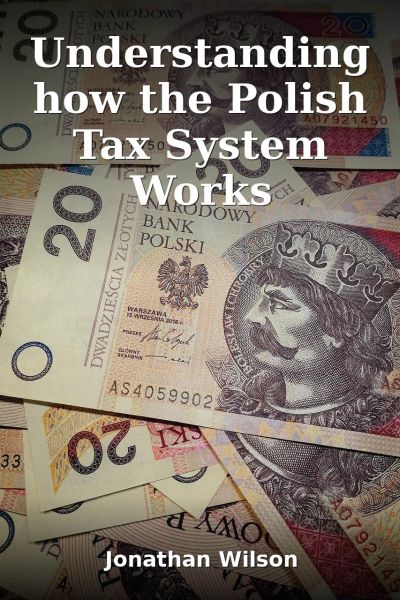
The following is an excerpt from “Understanding how the Polish Tax System Works” by Jonathan Wilson, available on MixCache.com.
Introduction
Poland’s tax system is an intricate and evolving framework that encompasses a wide spectrum of taxes—direct, indirect, local, and national—that impact individuals, entrepreneurs, and businesses alike. Whether you are a Polish citizen, a foreign resident, an employee, someone starting a business, or a multinational corporation operating in Poland, a precise understanding of the Polish tax regime is essential for legal compliance, sound financial planning, and avoiding unnecessary penalties.
At its core, the Polish tax system functions as the primary mechanism through which public authorities fund critical infrastructure and essential services—from healthcare and education to roads and public safety. Oversight is provided mainly by the Ministry of Finance and an extensive network of tax offices under the National Revenue Administration (Krajowa Administracja Skarbowa, or KAS). The regulatory landscape is continually influenced by domestic policymaking as well as Poland’s obligations as a member of the European Union, making the tax system both dynamic and complex.
The diversity of taxes in Poland requires taxpayers to deal with a range of obligations. Individuals must contend with personal income tax, different treatment for business and employment income, complex deduction and allowance systems, as well as various local taxes on property and transactions. For companies, the rules extend to corporate income tax, value-added tax compliance, eligibility for reduced tax rates and incentives, and special regulations for international groups and financial transactions. Adding another layer of complexity, Poland has established systems for double taxation relief, responding to the global mobility of both workers and capital.
Polish tax law is also distinguished by the speed and frequency of legislative changes. In recent years, new regimes such as the global minimum tax, modifications to VAT rates and rules, clarified property tax definitions, and updated excise regulations have all altered the compliance landscape. These changes reflect both domestic policy priorities—like encouraging investment or tackling tax evasion—and responses to EU directives and global initiatives.
For all these reasons, this book aims to provide a comprehensive yet accessible guide to understanding how the Polish tax system works. Readers will learn not only about core taxes such as PIT, CIT, VAT, excise, PCC, and property tax, but also how local levies, social security contributions, and fiscal administration collectively shape the tax environment. Each chapter addresses both the foundations and recent developments, combining practical guidance with up-to-date legal context.
Whether you are seeking to fulfill your obligations as a Polish taxpayer, optimize your tax position as a business owner, or simply deepen your knowledge of one of Central Europe’s key economies, this book is the authoritative resource to help you navigate Poland’s ever-changing tax landscape with confidence.
Read “Understanding how the Polish Tax System Works” on MixCache.com →
Please log in or create an account to leave a comment.
No comments yet. Be the first to say something.