
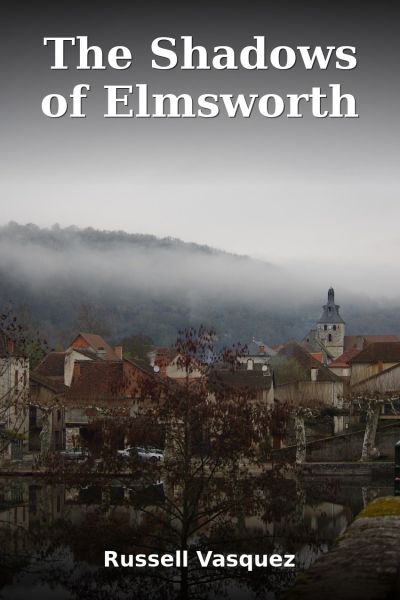
The following is an excerpt from “The Shadows of Elmsworth” by Russell Vasquez, available on MixCache.com.
Introduction
Alice Marlowe had always told herself she had made peace with the winding roads of Elmsworth and the way its sprawling forests pressed against the tidy edges of the village. Yet, as the train pulled into the station beneath a heavy curtain of mist, she realized there were some places the heart remembers in unexpected ways. Returning home was supposed to be a brief detour, a pause in her burgeoning career as a journalist in London—nothing more than a dutiful response to her mother’s declining health. But as hedgerows flashed by and old church bells tolled, Alice felt the weight of nostalgia and unfinished business settle quietly around her.
Elmsworth, with its centuries-old cottages and timeworn cobblestones, seemed suspended between the comfort of tradition and the suspicion of secrets kept just out of sight. The villagers still greeted one another with measured warmth, but Alice sensed an undercurrent—a collective unease that had not been present in her childhood. Her mother’s house, rendered more fragile by years and sorrow, awaited her with silent reminders of loss and love’s complicated strands.
The routines of caregiving were both unfamiliar and relentless. Alice found herself caught between managing medications and chasing fleeting moments of her mother’s lucidity. Sleepless nights blurred into gray mornings, and soon, the act of running errands or walking the town’s familiar paths became small refuges from the gravity of illness. In those solitary walks, Alice would pass the old Thorn estate, its windows shuttered, its story a persistent mystery whispered on the lips of the old women at the market.
It was during one such errand at the Gazette office—a simple request for a feature on Elmsworth’s summer fairs—that Alice first heard the name Gabriel Thorn spoken with a peculiar hush. The town’s once-famous artist, and, she would soon discover, an unspoken link to a series of unsolved disappearances that had quietly haunted the village for decades. The line between professional curiosity and personal involvement began to blur as Alice felt herself drawn into a story more complex, and far darker, than any she had ever written.
Haunted by her own doubts about returning home, guilt for time lost with her mother, and the sense that something vital remained unspoken in their relationship, Alice’s investigation was as much about confronting her past as it was about unraveling the village’s secrets. Each encounter—with wary villagers, fragmentary memories, and cryptic artworks—pulled her deeper into a labyrinth of lies, silence, and half-truths. Her search for answers would threaten not only the delicate stability she was trying to reclaim at home, but also the fragile peace the town had forged between its history and its present.
In Elmsworth, every corner and every canvas seemed to house a shadow. As the boundary blurred between what must remain hidden and what demands the light, Alice was forced to ask herself how much is worth risking for the truth—and whether redemption can ever truly come to a place, or a heart, haunted by the past.
Read “The Shadows of Elmsworth” on MixCache.com →
Please log in or create an account to leave a comment.
No comments yet. Be the first to say something.