
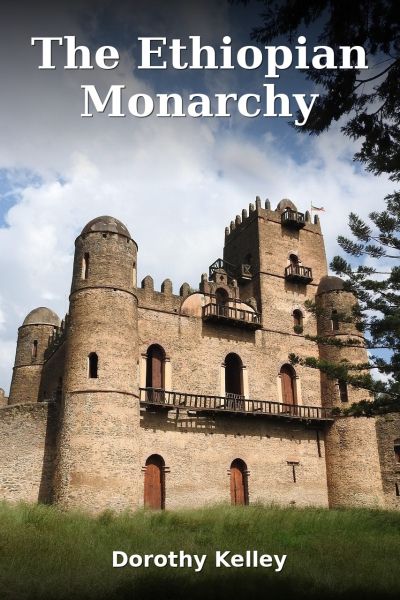
The following is an excerpt from “The Ethiopian Monarchy” by Dorothy Kelley, available on MixCache.com.
Introduction
For more than two millennia, the Ethiopian monarchy stood as a dazzling thread woven through the tapestry of Africa’s story—and indeed the world’s. With a lineage claimed to stretch unbroken from the biblical union of King Solomon and the Queen of Sheba, Ethiopia’s royals presided over one of history’s most enduring dynasties. Their narrative is not merely one of kings and queens, but of a people and nation whose identity, faith, and political fortunes became inseparable from their monarchy.
Unlike any other African kingdom, Ethiopia’s monarchs grounded their authority in both legendary and historical claims, merging sacred tradition with pragmatic rule. The Solomonic myth of origin, enshrined in the Kebra Nagast, provided legitimacy and a sense of divine mission that sustained imperial ambitions and fostered national unity. Through centuries of shifting power, foreign invasions, and internal upheaval, the monarchy adapted and endured, leaving indelible marks on Ethiopian culture, religion, and geopolitics.
This book traces the monarchy’s arc from its mythic beginnings to its sudden and dramatic end in the 1970s. It explores the vibrant courts of Aksum and Gondar, the monumental churches at Lalibela, and the rugged fortresses of embattled emperors. We will examine the interplay between Christianity and kingship, the push and pull of centralization and regional autonomy, and the ways in which Ethiopia’s rulers engaged with—sometimes resisted, sometimes embraced—change brought by both internal dynamics and external forces.
This narrative is also one of crisis and renewal. The Ethiopian monarchy experienced cycles of ascendancy and decline, from the glory of Aksum and the cultural efflorescence of the Gondarine era to periods of fragmentation, like the Zemene Mesafint, and the wrenching wars of survival against foreign invaders and reformist ambitions of figures such as Tewodros II and Menelik II. The twentieth century brought unprecedented pressures: colonial encroachment, global diplomacy, modernization, and revolution—all culminating in the abdication and death of Haile Selassie I and the abolition of the monarchy itself.
But the story does not end in 1975. The legacy of the monarchy is deeply etched into the Ethiopian consciousness. It shapes religious practice, underpins cultural identity, and lingers in the debates about governance, heritage, and the very idea of what it means to be Ethiopian. The memory of imperial rule informs both nostalgia and critique, shadowing contemporary politics and fueling efforts to reconcile the nation’s past with its future.
By unraveling the Ethiopian monarchy’s rich, complex history, this book seeks to illuminate not just the lives of emperors and the fate of a dynasty, but the making of a nation. It is a history of power and piety, resilience and transformation—a testament to a remarkable institution whose echoes continue to resonate across Ethiopia and beyond.
Read “The Ethiopian Monarchy” on MixCache.com →
Please log in or create an account to leave a comment.
No comments yet. Be the first to say something.