
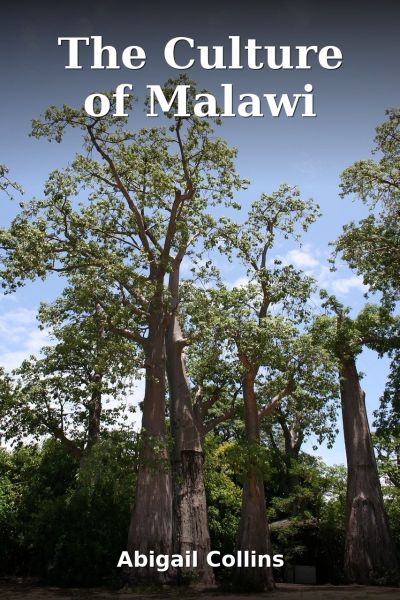
The following is an excerpt from “The Culture of Malawi” by Abigail Collins, available on MixCache.com.
Introduction
Malawi, often affectionately called "The Warm Heart of Africa," is a nation that captivates visitors and inhabitants alike with its vibrant spirit, diverse landscapes, and above all, its welcoming people. Nestled in the southeastern corner of the African continent and landlocked between its larger neighbors, Malawi stands out not because of its size or material wealth, but for the richness of its cultural tapestry. The threads of this tapestry have been woven over centuries, shaped by a confluence of ethnic traditions, historical transformations, religious beliefs, and enduring communal values.
For those new to Malawi, understanding and appreciating its culture requires a journey that transcends surface impressions. Malawi is a country where daily life in bustling urban centers contrasts yet complements the rhythms of rural villages; where ancient ceremonies are held in tandem with modern festivities; where the echoes of ancestral wisdom are heard alongside the aspirations of a youthful population. It is a place where heritage and modernity co-exist—sometimes in tension, often in harmony—revealing a people deeply rooted in tradition but ever responsive to change.
At the heart of Malawian culture are its people: diverse yet unified in their sense of identity. With over a dozen major ethnic groups, including the Chewa, Lomwe, Yao, Ngoni, Tumbuka, and others, Malawi offers a fascinating panorama of customs, languages, rituals, and artistic expressions. These groups have journeyed, settled, mingled, and evolved across generations, contributing their own unique colors to the national palette. Language, especially Chichewa, acts as both a marker of heritage and a bridge between communities, enriched by countless proverbs, stories, and songs that embody the wisdom of generations.
Social cohesion in Malawi rests on strong family ties, respect for elders, and the principle of collective responsibility. Whether in the bustling markets of Lilongwe, the tranquil shores of Lake Malawi, or the lush fields of the highlands, visitors will encounter a culture that values kinship, hospitality, and mutual support. The social fabric of Malawi is tightly woven, sustained by the vital roles played by family, elders, and traditional leadership structures.
Interwoven with social customs are the spiritual beliefs that guide Malawian life. Christianity and Islam—both long-established—coexist with enduring traditional beliefs in ancestors, spirits, and the natural world. Music, dance, crafts, and cuisine express both continuity and creativity, serving as living bridges between the past and present. Whether in the rhythmic beat of the Gule Wamkulu or the communal sharing of nsima, these cultural expressions invite participation and foster a sense of belonging.
This book, "The Culture of Malawi: An Introduction for Beginners," aims to guide newcomers through the essential aspects of Malawian cultural life. It is not an exhaustive encyclopedia, nor does it claim to speak for every Malawian. Rather, it is an invitation to discover, reflect, and engage with a dynamic culture that continues to inspire, adapt, and flourish. By exploring the chapters ahead, readers will gain not only knowledge, but also, we hope, an appreciation for the warmth, resilience, and rich diversity that defines the Malawian way of life.
Read “The Culture of Malawi” on MixCache.com →
Please log in or create an account to leave a comment.
No comments yet. Be the first to say something.