
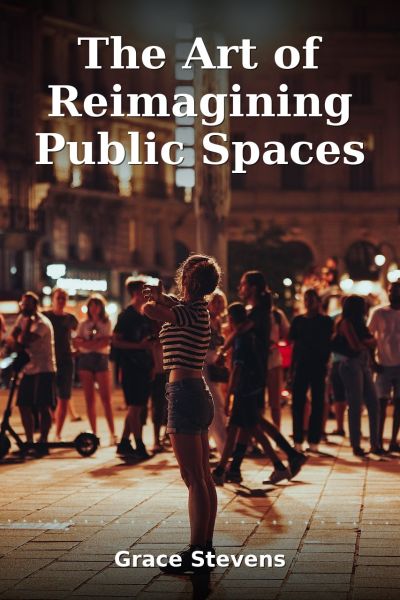
The following is an excerpt from “The Art of Reimagining Public Spaces” by Grace Stevens, available on MixCache.com.
Introduction
Public spaces are the beating heart of urban life—vital arenas where people of all backgrounds converge, interact, and share collective experiences. These communal spaces, whether they are expansive city parks, lively plazas, or transformed street corners, serve a multitude of purposes: places for relaxation, civic engagement, cultural expression, economic exchange, and everyday serendipitous encounters. Yet, as cities have grown and evolved, many public spaces have struggled to keep pace with changing demographics, technologies, and societal needs. Too often, these spaces become neglected or underutilized, missing their profound potential to enhance the quality of urban life.
In recent years, there has been a global reawakening to the transformative potential of well-designed public spaces. Urban planners, architects, policy makers, and—most importantly—community members are collaborating in new and innovative ways to reimagine parks, plazas, and streetscapes. This movement is grounded in the understanding that public spaces are not mere “leftover” areas but are essential urban infrastructure: the collective spaces where community bonds are woven and the diverse tapestry of urban culture finds visible expression. Enhanced public spaces can be catalysts for social connections, drivers of local economies, and bulwarks of environmental sustainability.
This book, The Art of Reimagining Public Spaces: Transformative Approaches to Urban Design and Community Engagement, delves into the evolving role of public spaces in urban environments and the strategies that can transform them into vibrant, resilient, and inclusive hubs. Drawing on case studies from around the globe, it examines the increasingly collaborative processes that bring architects, urban planners, local officials, and residents together. Through these stories and insights, this volume explores how innovative design, adaptive reuse, and authentic community involvement are breathing new life into public realms of all shapes and sizes.
At the heart of this exploration lies a set of core principles. Successful public spaces today are inclusive and accessible to all, regardless of age, ability, or background. They are environmentally conscious, utilizing green infrastructure and biophilic design to promote ecological health. Adaptability and flexibility are prioritized, ensuring that spaces can evolve with changing community needs, climate challenges, and technological advancements. Above all, meaningful community engagement—a shift from “top-down” design to participatory co-creation—proves crucial to realizing spaces that genuinely serve and reflect their users.
In the pages that follow, readers will find both theoretical frameworks and practical tools for reimagining public spaces. From the historical roots that shaped today’s urban landscapes to the cutting-edge technologies and participatory models driving tomorrow’s interventions, each chapter offers concrete examples, expert insights, and actionable guidance. By showcasing a diversity of voices and perspectives, this book aims to inspire professionals, officials, and community leaders alike to embrace an expansive, creative, and human-centered vision for public space.
Ultimately, to reimagine public spaces is to reimagine the city itself—as a place that is more equitable, sustainable, and joyful for all its inhabitants. The journey toward revitalized public spaces is a journey toward stronger, more resilient, and more connected communities. This book invites you to take up the art of reimagining not just spaces, but the possibilities of urban life.
Read “The Art of Reimagining Public Spaces” on MixCache.com →
Please log in or create an account to leave a comment.
No comments yet. Be the first to say something.