
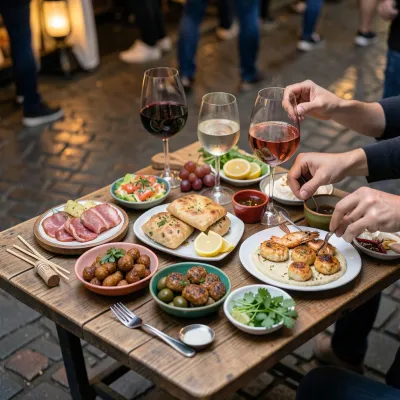
The following is an excerpt from “Street Food & Small Plates: Global Tapas and Wine Pairings” by Ethan Moore, available on MixCache.com.
Introduction
Street Food & Small Plates: Global Tapas and Wine Pairings is an invitation to eat the world the way so many of us first fall in love with food: standing at a cart, leaning over a counter, or passing a platter among friends. These pages celebrate bold, shareable dishes that travel well from sidewalks and markets into home kitchens, all sized for tasting, grazing, and conversation. The goal is simple and generous: cook widely, pour smartly, and keep the table lively without making the budget—or the cook—break a sweat.
“Global tapas” here is a philosophy rather than a claim that every culture serves tapas. It means arranging dishes in small, convivial portions so flavors can mingle and guests can explore. You’ll find recipes that honor their roots—tacos al pastor carved thin and kissed with pineapple; West African–inspired jollof fritters with a crunchy edge; Taiwanese‑style bao that are soft, steamy, and ready to cradle rich fillings; Eastern Mediterranean mezze arranged for abundance. Each recipe includes context and cues for technique so that the spirit of the street comes through at home, respectfully and deliciously.
Wine is the throughline, and pairing is presented as a set of practical tools, not rules. High spice calls for strategies—modest alcohol, a touch of sweetness, and a cool serving temperature—to soften capsaicin’s heat. Bright, acidic dishes need wines with equal verve so flavors don’t flatten; textural contrasts (crunchy fries, sticky glazes, creamy sauces) invite bubbles, tannin management, and careful chilling. Throughout, you’ll see why an off‑dry Riesling can rescue a fiery chile oil, how a zippy Albariño refreshes after ceviche, and when a chillable red with gentle tannins makes grilled skewers sing.
Affordability anchors every recommendation. Instead of chasing trophy bottles, we focus on transparent, budget‑friendly options and styles you can actually find: Muscadet over pricier Chablis for briny snacks; Portuguese blends where others might suggest Sauvignon Blanc; Lambrusco or pét‑nat for fizz without the Champagne tariff. Each chapter flags substitutions by style—crisp, aromatic, textured, or savory—so you can shop where you are and still pour something perfect.
Because street food is about immediacy and joy, the cooking methods favor speed, make‑ahead components, and crowd‑pleasing sauces. You’ll build a small pantry of chiles, pickles, and spice mixes that unlock dozens of combinations; master quick marinades and fast high‑heat techniques; and learn plating shortcuts that turn a baking sheet or a cutting board into a generous serving surface. The equipment list stays lean, the instructions precise, and the flavors big.
Finally, this book is meant to be social. Menus are designed to scale from a weeknight for two to a backyard for twelve. You’ll find pacing notes for staggered service, tips for mixing vegetarian and meat options side by side, and guidance on pouring wines by the half‑glass so guests can compare and discover. The emphasis is on flow: small plates arriving often, refills offered easily, and plenty of color, crunch, and contrast to keep the conversation moving.
Use the opening chapters to tune your palate and build confidence with pairings; then explore the regional sections, where classic street dishes meet flexible wine ideas tailored to heat, acid, and texture. Along the way, optional swaps and budget pointers help you adapt to season, place, and pantry. Bring an appetite, a sense of curiosity, and a few extra glasses—the streets of five continents are about to meet at your table.
Read “Street Food & Small Plates: Global Tapas and Wine Pairings” on MixCache.com →
Please log in or create an account to leave a comment.
No comments yet. Be the first to say something.