
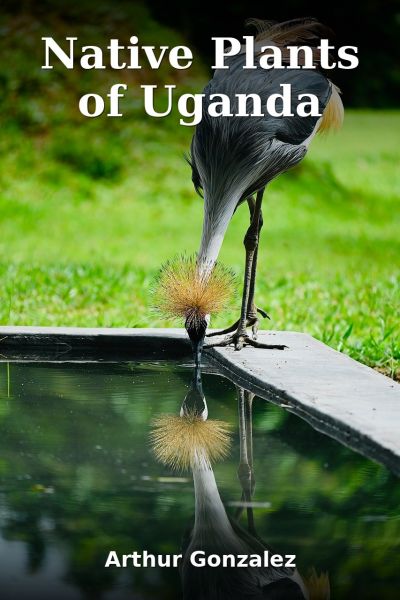
The following is an excerpt from “Native Plants of Uganda” by Arthur Gonzalez, available on MixCache.com.
Introduction
Uganda, renowned as the "Pearl of Africa," is a country blessed with an extraordinary range of native plant life. Situated on the East African plateau and straddling the equator, Uganda enjoys a unique geographic position that, along with its varied topography, endows it with exceptional biological richness. From sweeping savannas to thick tropical forests, lush wetlands to rugged mountains, Uganda’s landscapes provide homes to thousands of plant species, many of which are endemic or have particular ecological or cultural significance.
The wealth of Uganda's flora is fundamentally shaped by the nation's diverse physical features. The influence of large lakes such as Victoria, Kyoga, and Albert, combined with the presence of the Rwenzori Mountains, Mount Elgon, and extensive wetlands, creates a multitude of habitats. Each habitat supports its own array of species, resulting in one of the highest levels of plant diversity in Africa. This rich tapestry of vegetation forms the backbone of the country’s ecosystems, providing food and shelter for countless animal species and supporting the well-being of Uganda’s human populations.
Plant life in Uganda does not exist in isolation. The country's native plants are deeply woven into the everyday lives of Ugandans, supplying essential resources such as food, medicine, building materials, fiber, and even spiritual value. For countless generations, local communities have developed sophisticated knowledge systems to identify, harvest, and manage these resources sustainably. The value of native species—such as the Mvule for timber, papyrus for crafts, or wild leafy vegetables for nutrition—extends far beyond simple utility and speaks to the cultural heart of the nation.
However, this botanical richness faces mounting challenges. Over the past decades, conversion of natural landscapes for agriculture, deforestation, overharvesting, introduction of invasive species, and the accelerating effects of climate change have placed unprecedented pressure on Uganda’s native flora. As habitats fragment and degrade, many plants, including those unique to Uganda or of critical ecological function, are at risk. These losses reverberate through entire ecosystems, threatening wildlife, ecosystem services, and human livelihoods alike.
Conservation of Uganda’s native plants is not only an environmental imperative but a social and economic one. Safeguarding botanical diversity underpins agricultural stability, health, clean water supplies, and resilience against climate impacts. Concerted efforts are now underway across Uganda to protect important habitats, restore degraded landscapes, promote sustainable land use, and involve local communities as stewards of their natural heritage.
This book, 'Native Plants of Uganda: A Guide to the Native Plants of Uganda,' provides an in-depth journey into the country’s remarkable flora. Through exploration of habitats, characteristic species, ecological roles, cultural connections, and conservation efforts, readers will gain both appreciation and understanding of Uganda’s plant diversity—and the urgent need to protect it for generations to come.
Read “Native Plants of Uganda” on MixCache.com →
Please log in or create an account to leave a comment.
No comments yet. Be the first to say something.