
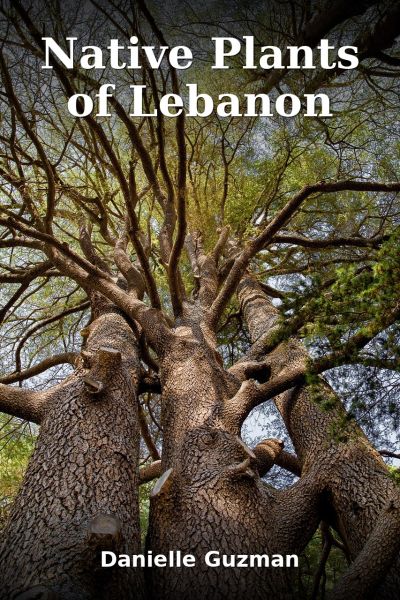
The following is an excerpt from “Native Plants of Lebanon” by Danielle Guzman, available on MixCache.com.
Introduction
Lebanon, nestled at the crossroads of continents on the eastern flank of the Mediterranean, is a country of remarkable botanical diversity. Despite its relatively small area, Lebanon stands out as a hotspot for plant biodiversity, boasting an extraordinary array of habitats that span sun-drenched coastlines, rugged mountains, fertile valleys, and semi-arid highlands. This ecological complexity has fostered the development of a rich native flora, with thousands of vascular plant species—including a substantial number that exist nowhere else on Earth.
The country’s unique geography and climate are central to its floral diversity. From the snow-capped summits of the Mount Lebanon range to the lush Mediterranean coast and the drier expanses of the Beqaa valley, each region offers distinct conditions that support specialized plant communities. These landscapes have evolved over millennia, shaped by geological shifts, climatic variations, and centuries of cultural interaction. As a result, Lebanon’s native plants exhibit fascinating adaptations that allow them to thrive in microclimates ranging from humid woodlands to semi-arid steppes.
Amid this richness, the country is home to a treasure trove of endemic species, many of which reflect Lebanon’s unique natural history. Endemism in Lebanon is particularly striking, with as much as twelve percent of its plant species found nowhere else. Some of these endemics bear the names of Lebanese regions, mountains, or their discoverers, emphasizing the deep connections between the nation’s flora and its landscapes. Protecting these localized species is vital, not only for national pride but also for safeguarding irreplaceable elements of global biodiversity.
Yet, Lebanon’s vegetation and its natural habitats face mounting threats. Centuries of resource extraction, deforestation, urban sprawl, quarrying, overgrazing, and conflicts have taken their toll on native plant communities. Many iconic species—including the revered Cedar of Lebanon—survive in only a few pockets, protected by dedicated reserves and conservation projects. The IUCN Red List assessment highlights the precarious status of many Lebanese endemics, underlining the urgency of well-planned conservation initiatives.
The story of Lebanon’s native plants is not only ecological or scientific; it is also deeply cultural. Generations of Lebanese people have relied on these plants for food, medicine, flavor, construction, and tradition. Wild herbs and shrubs figure prominently in folk remedies, diet, and rituals, while agricultural legacies link modern Lebanon to its ancient status as part of the Fertile Crescent—the birthplace of agriculture and origin of many domesticated crops.
This book seeks to be both a guide and a celebration—a comprehensive introduction to the native plants of Lebanon, their ecological roles, cultural significance, and the challenges they confront. Through exploring geographic regions, notable species, traditional uses, and ongoing conservation efforts, the following chapters invite readers to appreciate the profound value and fragile beauty of Lebanon’s living flora.
Read “Native Plants of Lebanon” on MixCache.com →
Please log in or create an account to leave a comment.
No comments yet. Be the first to say something.