
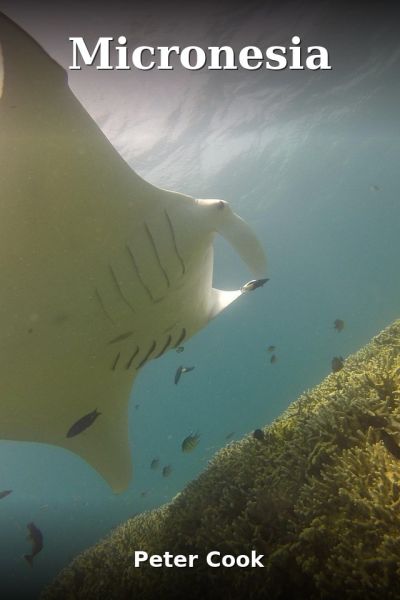
The following is an excerpt from “Micronesia” by Peter Cook, available on MixCache.com.
Introduction
The Federated States of Micronesia, nestled within the expanse of the western Pacific, is so much more than the sum of its scattered islands and atolls. Spanning thousands of kilometers across the ocean yet covering a mere fraction of that distance in land area, Micronesia is a land of contrasts—a convergence of ancient traditions and modern challenges, of thriving communities and fragile environments, of proud independence and enduring connections to the wider world. Its story is one of resilience, adaptation, and deep-rooted cultural heritage.
To approach Micronesia is to set sail towards the heart of Oceania’s rich history. These islands, shaped over millennia by both volcanic upheaval and coral growth, were first settled by navigators from Asia and remote corners of the Pacific who crossed daunting oceanic distances to forge new lives. Over time, Micronesia has weathered the tides of colonialism, world wars, and shifting global politics. Today, it stands as a testament to the enduring strength of island societies, deeply connected to land and sea.
Daily life in Micronesia is woven from the threads of tradition and change. Across Yap, Chuuk, Pohnpei, and Kosrae, extended families, clans, and villages form the backbone of society, while faith—anchored largely in Christianity—binds communities together. Vibrant languages resound in homes and markets; traditional dances, intricate weaving, and legendary voyaging canoes all continue to shape island identity alongside the trappings of contemporary life. Despite this cultural vitality, the country also faces daunting realities: economic dependency, environmental vulnerability, and the ongoing challenges of education, healthcare, and migration.
Nature commands profound respect here. The islands’ tropical climate fosters lush rainforests, fecund mangroves, and teeming coral reefs, nurturing both biodiversity and the livelihoods of countless communities. Yet this same natural bounty is threatened by climate change—rising seas, intensifying storms, and resource pressures make sustainable living ever more urgent. The Micronesian response is marked by both tenacity and innovation, as communities and leaders alike seek to protect their islands for generations to come.
As a travel destination, Micronesia offers visitors a rare glimpse into a world where ancient stone ruins like Nan Madol rise from jungle swamps, World War II relics rest beneath sapphire lagoons, and the warm hospitality of local people invites exploration and understanding. But to visit here—or to truly understand the nation—means engaging with its complexities: the interplay between tradition and modernity, isolation and connection, vulnerability and hope.
This book, “Micronesia: Portrait of a Country,” invites you on a journey across the archipelago, from wind-swept atolls to bustling towns. Chapter by chapter, we will explore the history, geography, people, and pressing issues that shape Micronesia today, illuminating not only what makes this Pacific nation unique but also the universal challenges and aspirations that resonate from island shores to distant continents.
Read “Micronesia” on MixCache.com →
Please log in or create an account to leave a comment.
No comments yet. Be the first to say something.