Browse by Category
Fiction
- Action & Adventure
- African American
- Anthologies
- Children's Fiction
- Classics
- Comics & Graphic Novels
- Coming of Age
- Contemporary
- Cultural & Regional
- Drama
- Erotica
- Fantasy
- General
- Historical Fiction
- Horror
- Humor & Satire
- Literary Fiction
- Mystery, Thriller & Suspense
- Poetry
- Religious & Inspirational
- Romance
- Science Fiction
- Short Stories
- War & Military
- Westerns
- Women's Fiction
- Young Adult
Non-Fiction
- Antiques & Collectibles
- Arts & Photography
- Biographies & Memoirs
- Business & Money
- Children's Non-Fiction
-
Computers & Technology
- Artificial Intelligence
- Computer Science
- Cybersecurity & Cryptography
- Data Science & Analytics
- Databases & Big Data
- Game Development & Design
- General
- Hardware & DIY
- Mobile App Development
- Networking & Cloud Computing
- Operating Systems
- Programming
- Robotics
- Software
- Software Engineering
- User Experience (UX) & Design
- Web Development & Design
- Cooking, Food & Wine
- Crafts, Hobbies & Home
- Education & Teaching
- Engineering
- General
- Health, Fitness & Dieting
-
History
- African History
- African History - North Africa
- African History - Sub-Saharan Africa
- American History
- American History - 20th Century
- American History - Civil War
- American History - Colonial Period
- Ancient History
- Asian History
- Asian History - China
- Asian History - India
- Asian History - Japan
- Asian History - Southeast Asia
- European History
- European History - Ancient Greece
- European History - Ancient Rome
- European History - Medieval
- European History - Modern
- European History - Renaissance
- General
- Middle Eastern History
- Military History
- Military History - Aviation
- Military History - Naval
- Social & Cultural History
- World History
- Humor & Entertainment
- Industrial Technology
- Language Learning
- Law
- LGBTQ+ Non-Fiction
- Literary Criticism
- Medical Books
- Parenting & Relationships
- Philosophy
- Politics & Social Sciences
- Reference
- Religion & Spirituality
-
Science & Math
- Agricultural Sciences
- Astronomy & Space Science
- Behavioral Sciences
- Biological Sciences
- Botany & Plant Science
- Chemistry
- Earth Sciences
- Engineering - Chemical
- Engineering - Civil
- Engineering - Electrical
- Engineering - Mechanical
- Environment
- General
- Geology
- Mathematics
- Nature & Ecology
- Oceanography
- Paleontology
- Physics
- Statistics
- Self-Help
- Sports & Outdoors
- Study Aids
- Sustainability & Green Living
- Textbooks
- Transportation
- Travel
- True Crime
- Urban Planning & Development
- Veterinary Medicine
- Writing & Publishing
Jump to Section

Want unlimited access to all books published by MixCache.com (plus their audiobooks)? Try MixCache.com Total Access. Look for the MTA badge on book covers to identify included titles.
Access to infinite ebooks: Don't see the book you want? Suggest it and we'll create it (free!) for you from scratch with our powerful AI book writer. Then read it with MTA - besides profiting from any sales it makes!
A History of Punjab
From Ancient Crossroads to Pakistan's Heartland
About this book:
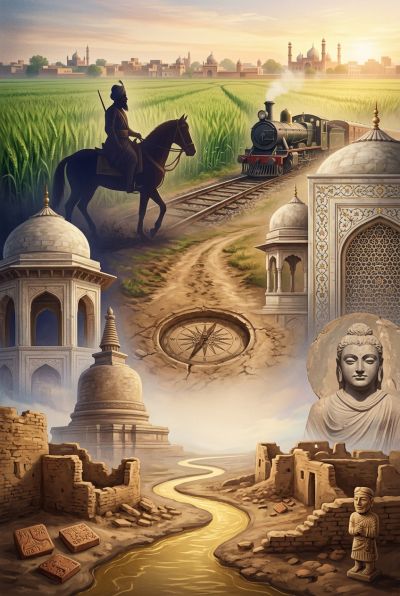
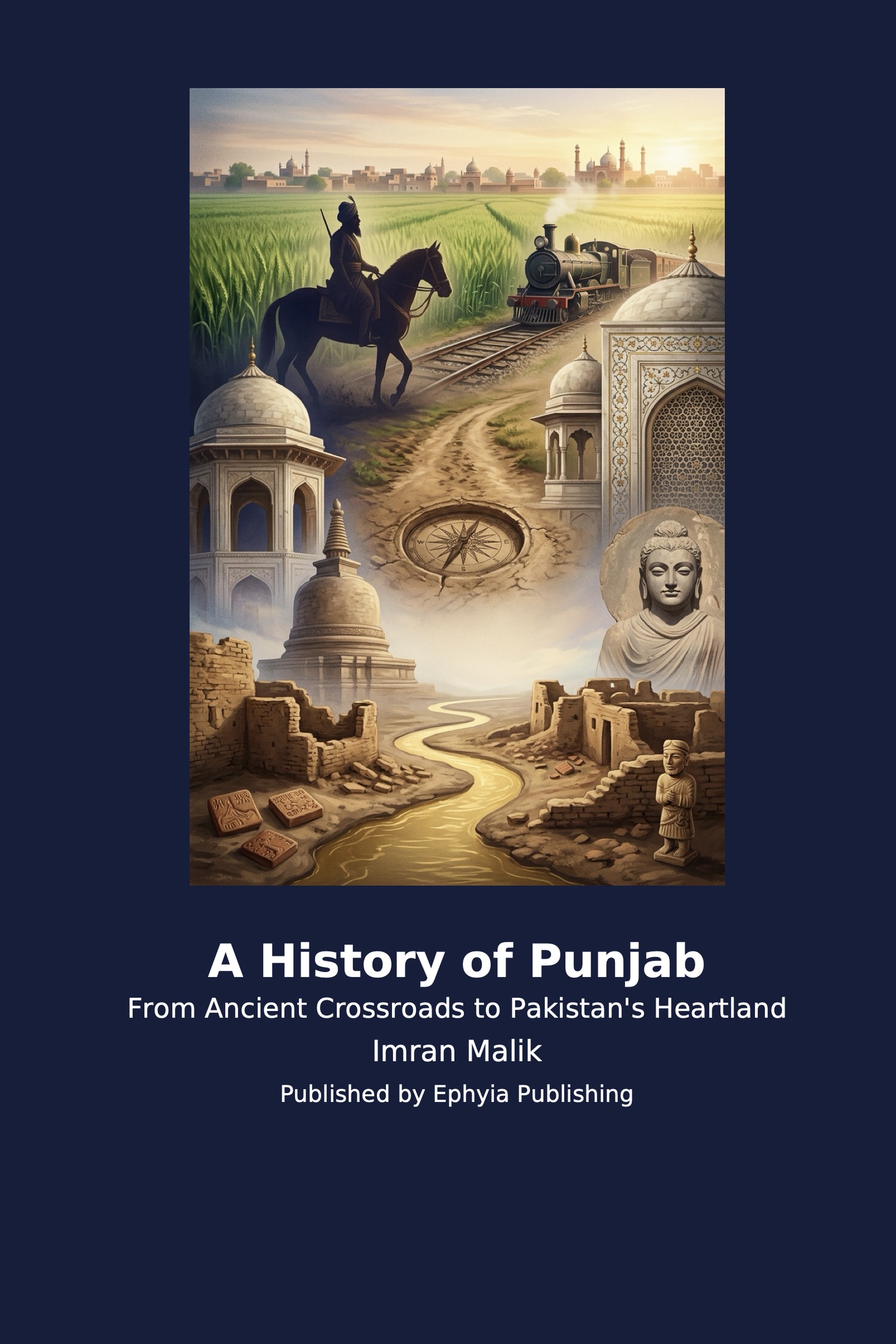
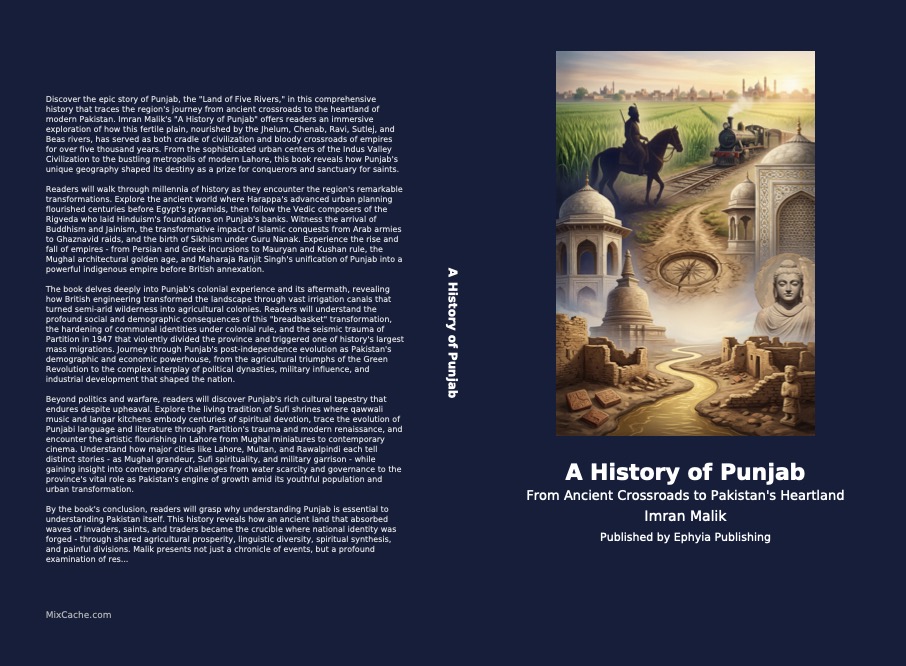
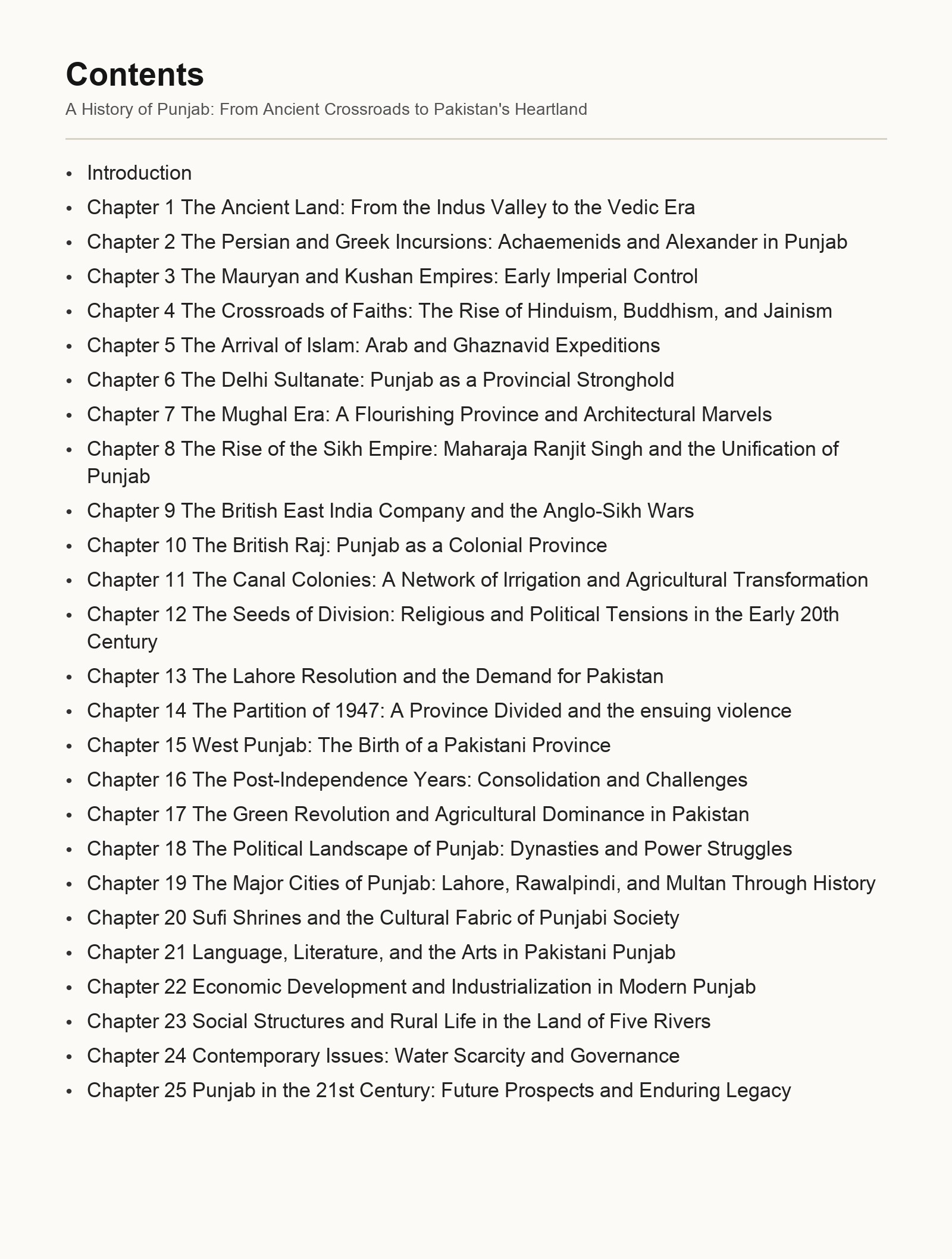
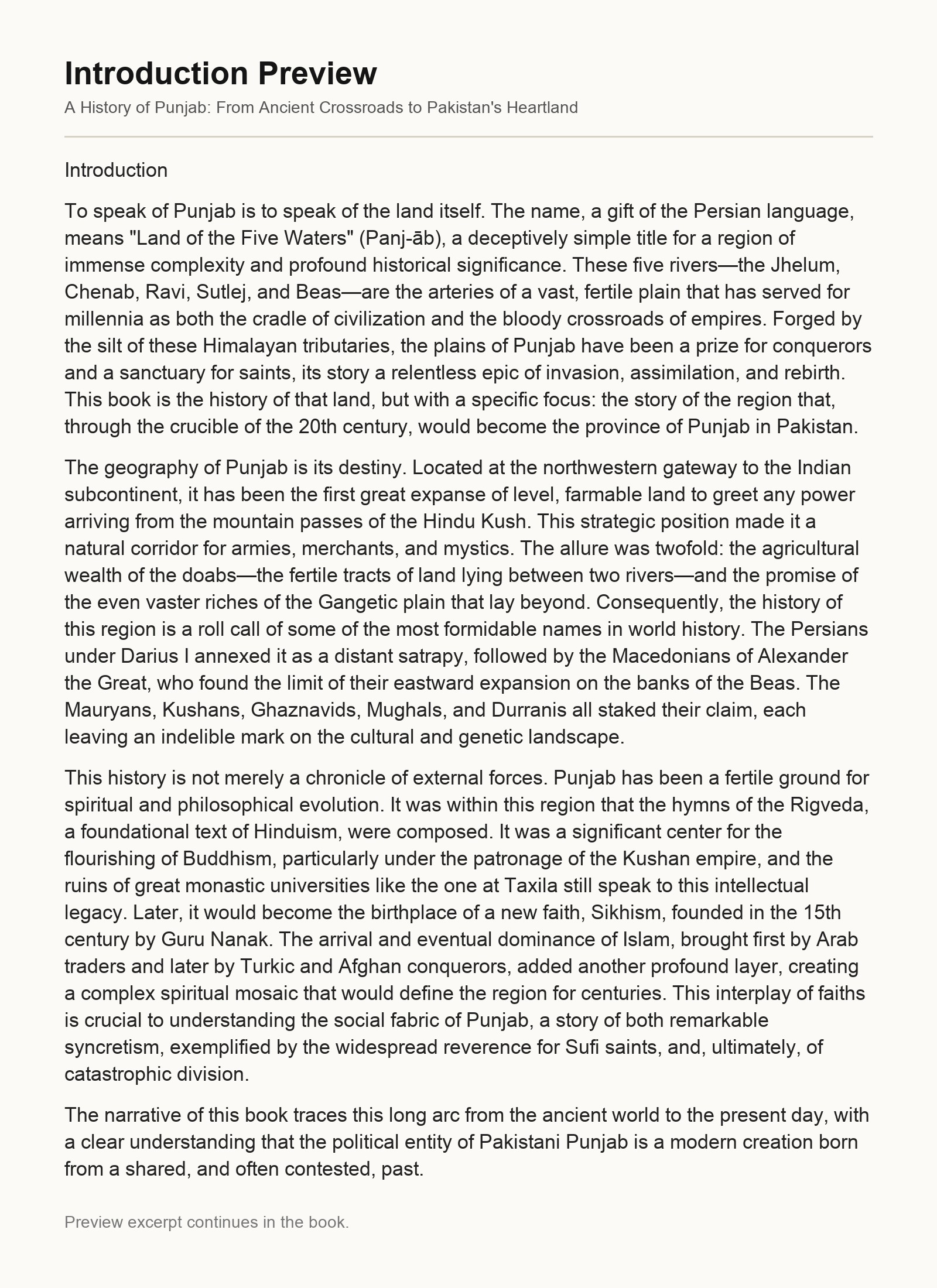
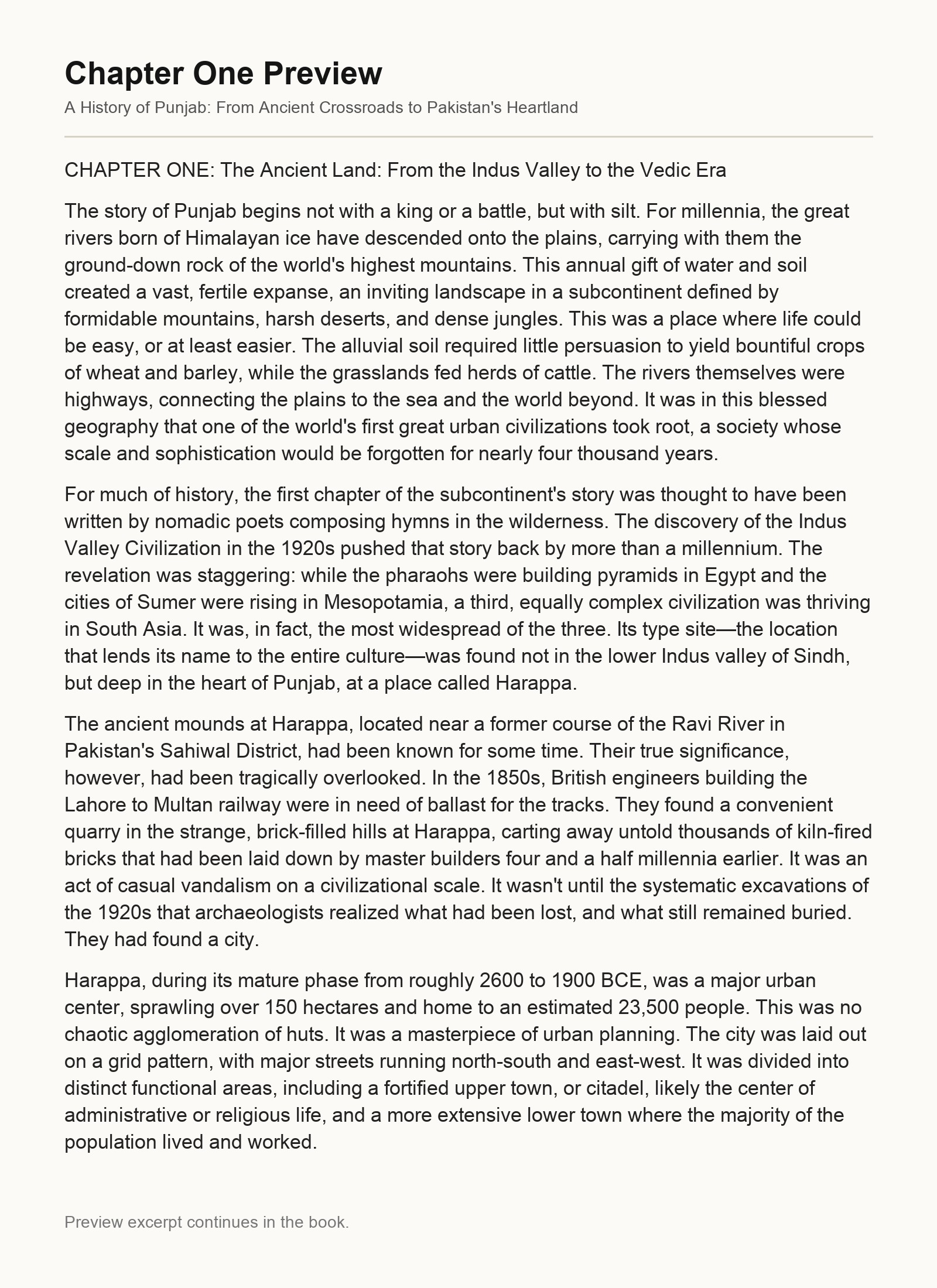
Discover the epic story of Punjab, the "Land of Five Rivers," in this comprehensive history that traces the region's journey from ancient crossroads to the heartland of modern Pakistan. Imran Malik's "A History of Punjab" offers readers an immersive exploration of how this fertile plain, nourished by the Jhelum, Chenab, Ravi, Sutlej, and Beas rivers, has served as both cradle of civilization and bloody crossroads of empires for over five thousand years. From the sophisticated urban centers of the Indus Valley Civilization to the bustling metropolis of modern Lahore, this book reveals how Punjab's unique geography shaped its destiny as a prize for conquerors and sanctuary for saints.
Readers will walk through millennia of history as they encounter the region's remarkable transformations. Explore the ancient world where Harappa's advanced urban planning flourished centuries before Egypt's pyramids, then follow the Vedic composers of the Rigveda who laid Hinduism's foundations on Punjab's banks. Witness the arrival of Buddhism and Jainism, the transformative impact of Islamic conquests from Arab armies to Ghaznavid raids, and the birth of Sikhism under Guru Nanak. Experience the rise and fall of empires - from Persian and Greek incursions to Mauryan and Kushan rule, the Mughal architectural golden age, and Maharaja Ranjit Singh's unification of Punjab into a powerful indigenous empire before British annexation.
The book delves deeply into Punjab's colonial experience and its aftermath, revealing how British engineering transformed the landscape through vast irrigation canals that turned semi-arid wilderness into agricultural colonies. Readers will understand the profound social and demographic consequences of this "breadbasket" transformation, the hardening of communal identities under colonial rule, and the seismic trauma of Partition in 1947 that violently divided the province and triggered one of history's largest mass migrations. Journey through Punjab's post-independence evolution as Pakistan's demographic and economic powerhouse, from the agricultural triumphs of the Green Revolution to the complex interplay of political dynasties, military influence, and industrial development that shaped the nation.
Beyond politics and warfare, readers will discover Punjab's rich cultural tapestry that endures despite upheaval. Explore the living tradition of Sufi shrines where qawwali music and langar kitchens embody centuries of spiritual devotion, trace the evolution of Punjabi language and literature through Partition's trauma and modern renaissance, and encounter the artistic flourishing in Lahore from Mughal miniatures to contemporary cinema. Understand how major cities like Lahore, Multan, and Rawalpindi each tell distinct stories - as Mughal grandeur, Sufi spirituality, and military garrison - while gaining insight into contemporary challenges from water scarcity and governance to the province's vital role as Pakistan's engine of growth amid its youthful population and urban transformation.
By the book's conclusion, readers will grasp why understanding Punjab is essential to understanding Pakistan itself. This history reveals how an ancient land that absorbed waves of invaders, saints, and traders became the crucible where national identity was forged - through shared agricultural prosperity, linguistic diversity, spiritual synthesis, and painful divisions. Malik presents not just a chronicle of events, but a profound examination of resilience and transformation, showing how Punjab's people have repeatedly reinvented their society while maintaining deep connections to the land that gave them life. For anyone seeking to comprehend South Asian history, the foundations of modern Pakistan, or the enduring legacy of a region where civilizations have met and mingled for millennia, this book provides the essential context and narrative.
What You'll Find Inside:
- Punjab's ancient roots as the site of the Indus Valley Civilization at Harappa and the birthplace of Vedic Hinduism along its five rivers
- The region's history as a strategic crossroads conquered by Persians, Greeks, Mauryans, Kushans, Muslims, Sikhs, and British
- The rise and fall of Maharaja Ranjit Singh's Sikh Empire, which unified Punjab from the Sutlej to the Khyber Pass
- The traumatic Partition of 1947 that divided Punjab along religious lines, triggering mass violence and migration
- Punjab's evolution as Pakistan's demographic, economic, and political heartland, facing modern challenges like water scarcity
Who's It For:
This book is ideal for students and scholars of South Asian history, particularly those interested in Pakistan's provincial history. It will benefit readers seeking to understand the historical roots of contemporary issues in Punjab, including the Partition legacy, agricultural development, and political dynamics. The comprehensive coverage from ancient civilizations to the 21st century makes it valuable for academics, researchers, and general readers with an interest in world history and regional studies.
Author:
Published By:
Date Published:
May 24, 2026
Type:
Nonfiction
Language:
English
Also Available In:
Word Count:
57,086 words
Reading Time:
4 hours
Sample:
Order:
Order A History of Punjab (Paperback) on MixCache.com:
Buy NowPrint copy is made to order and ships worldwide. Includes the ebook free, ready to read instantly.
$5 account credit for all new MixCache.com accounts, usable toward any ebook purchase!*