

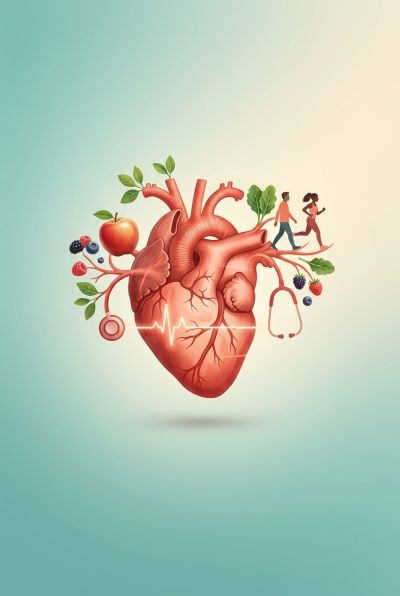
The following is an excerpt from “Heart Health” by Dr Alex Bugeja, PhD, available on MixCache.com.
Introduction
Think of your heart as the most dedicated employee you'll ever have. It shows up for work before you're born, operates tirelessly every second of every day, and never asks for a raise or a vacation. Over an average lifetime, it will beat about 2.5 billion times, pumping millions of gallons of blood to every corner of your body. This constant, steady rhythm delivers everything your cells need to function: oxygen, nutrients, hormones, and a host of other vital compounds. It's the central engine in a complex biological machine, a guardian of your vitality ensuring every part of you has what it needs to thrive.
Given its non-stop workload, it's a marvel that the heart performs so flawlessly for so long in so many people. Yet, we often take this incredible organ for granted, paying it little mind until something goes wrong. And things can, indeed, go wrong. The reality is that cardiovascular diseases are the world's biggest killer. Ischaemic heart disease alone is responsible for 13% of all deaths globally. Combined, all forms of cardiovascular disease account for nearly a third of all deaths worldwide. These aren't just abstract numbers; they represent millions of lives cut short every year. The global prevalence of cardiovascular disease is staggering, affecting hundreds of millions of people.
The financial toll is equally immense, placing a substantial burden on healthcare systems, economies, and families. In the United States alone, the total cost of cardiovascular diseases is projected to nearly triple between 2020 and 2050, soaring from $627 billion to a staggering $1.85 trillion. This isn't just about hospital bills; it includes lost productivity from disability and premature death, affecting the prosperity of entire societies. This escalating economic burden underscores the urgent need for better prevention and management strategies.
The purpose of this book is to serve as a clear, straightforward user's manual for this vital organ. It’s designed to cut through the noise, clarify the confusion, and empower you with the knowledge you need to take proactive care of your heart. Heart health isn't just for those who have already been diagnosed with a problem; it's for everyone. It's for the young adult who thinks they're invincible, the middle-aged parent juggling a hectic life, and the senior who wants to maintain their vitality for years to come.
Many people mistakenly believe that heart disease is simply a consequence of aging or bad genes. One of the most persistent myths is that you're destined to have heart problems if they run in your family. While genetics can play a role, lifestyle factors have a significant impact on your heart's health. Making informed choices about diet, exercise, and other habits can dramatically reduce your risk, even with a challenging family history. This book is built on a foundation of prevention, emphasizing that a healthy lifestyle started at any age goes a long way.
Another common misconception is that heart disease is primarily a "man's disease." The fact is, cardiovascular disease is the number one killer of women, causing more deaths than all forms of cancer combined. Roughly one in three female deaths each year is attributable to cardiovascular disease. Furthermore, the idea that you're too young to worry about heart health is a dangerous fallacy. The processes that lead to heart disease, like the buildup of plaque in arteries, can begin in childhood and are influenced by habits formed early in life.
This guide is structured to take you on a journey, starting from the very basics and building a comprehensive picture of what it takes to maintain a healthy heart throughout your life. We will begin by exploring the heart itself in Chapter 1: Understanding Your Heart: How It Works, demystifying its anatomy and function. You'll learn how this powerful muscle does its job and what it needs to perform at its best. Think of it as getting to know the person you plan to spend the rest of your life with—intimately.
From there, we dive into the practicalities. Chapter 2: Know Your Numbers will teach you the importance of key health metrics like blood pressure, cholesterol, and blood sugar. These numbers are the language your body uses to communicate its state of health, and understanding them is the first step toward managing your risk. We’ll break down what these figures mean in simple terms, removing the intimidation factor and putting you in control.
No discussion of heart health would be complete without a deep dive into nutrition. The next three chapters are dedicated to the fuel your heart's engine runs on. Chapter 3: The Fuel for Your Engine provides a blueprint for heart-healthy eating. We’ll then tackle the often-confusing world of dietary fats in Chapter 4: The Good, the Bad, and the Ugly, helping you distinguish between fats that help and fats that harm. In Chapter 5: The Sweet Truth, we’ll uncover the significant impact that sugar has on your cardiovascular system.
Of course, what you do is just as important as what you eat. Chapter 6: Get Moving explores the immense power of physical activity for strengthening your heart. Regular exercise helps you maintain a healthy weight and can lower your blood pressure, cholesterol, and blood sugar levels. Following that, Chapter 7: Finding Your Fit will offer practical advice on creating an exercise plan that you can actually stick with, regardless of your current fitness level or busy schedule.
Life in the modern world comes with its own set of challenges, and your heart feels the pressure. Chapter 8: Stress and Your Heart examines the connection between chronic stress and cardiovascular health. We will explore practical techniques for managing stress before it takes a toll on your body, helping you find a sense of calm in the chaos of daily life.
The book will then pivot to focus on some of the most common and critical issues in heart health. Chapter 9: The Silent Killer delves into high blood pressure, a condition that often has no symptoms but is a major risk factor for heart disease and stroke. Similarly, Chapter 10: Cholesterol Uncovered will bust common myths and provide clear guidance on managing your cholesterol levels through diet, exercise, and, when necessary, medication.
Understanding your personal risk profile is crucial. Chapter 11: Are You at Risk? will outline the key factors that contribute to heart disease, helping you assess your own situation. We'll build on this in Chapter 12: Family Ties, which takes a closer look at the role genetics play and how to navigate a family history of heart problems without feeling destined for the same fate.
Heart disease does not affect everyone in the same way. Chapter 13: A Woman's Heart is dedicated to the unique risks and symptoms that women face, an often-overlooked but critically important topic. We will also explore how heart health needs evolve over a lifetime in Chapter 14: Heart Health Through the Ages, offering tailored advice for your 20s, 30s, and all the decades that follow.
Knowledge is your best defense, especially in an emergency. Chapter 15: Recognizing the Signs will equip you to identify the symptoms of a heart attack or stroke and know exactly what to do. Many people mistakenly believe all heart attacks involve dramatic chest pain, but symptoms can be subtle, especially in women, and may include shortness of breath, nausea, or jaw pain. Prompt action can save a life.
To further deepen your understanding, we will explain common medical topics in an accessible way. Chapter 16: Common Heart Conditions Explained provides a plain-language overview of issues like coronary artery disease and heart failure. If you ever need to see a specialist, Chapter 17: Diagnostic Tests will prepare you for what to expect at the cardiologist's office. Chapter 18: Medications for Heart Health serves as a simple guide to common prescriptions, and Chapter 19 discusses medical procedures and surgeries for when lifestyle changes are not enough.
For those who have experienced a cardiac event, the path forward can seem daunting. Chapter 20: The Road to Recovery offers guidance and encouragement for life after a heart attack or surgery, focusing on rehabilitation and regaining confidence. The book also explores cutting-edge areas of research, such as the fascinating link between your digestive system and cardiovascular wellness in Chapter 21: The Gut-Heart Connection.
We will also address fundamental aspects of a healthy lifestyle that are often underestimated. Chapter 22: The Importance of Sleep highlights how crucial restorative rest is for cardiovascular wellness. The dangers of smoking and vaping, which can damage the heart and blood vessels, are laid bare in Chapter 23: Stub It Out. And for those who enjoy a drink, Chapter 24: Alcohol and Heart Health provides a frank discussion on finding a safe balance, as excessive alcohol can raise blood pressure.
Ultimately, this book is about building a sustainable, lifelong strategy. The final chapter, Chapter 25: Your Lifelong Plan for a Healthy Heart, will help you pull all the pieces together to create a personalized plan for long-term success. The good news is that a huge percentage of premature heart disease is preventable. By taking charge of the factors you can control, such as diet, physical activity, and not smoking, you can significantly lower your risk.
This journey is not about perfection or deprivation. It's about making smart, informed choices one day at a time. It’s about understanding the "why" behind the advice so you feel motivated, not just obligated. Your heart works tirelessly for you; this book is designed to give you the tools to work for it. The path to better heart health begins not with a drastic overhaul, but with a single step: a commitment to learn. Let's begin.
Read “Heart Health” on MixCache.com →
Please log in or create an account to leave a comment.
No comments yet. Be the first to say something.