

An Excerpt from “Common Crop Diseases”
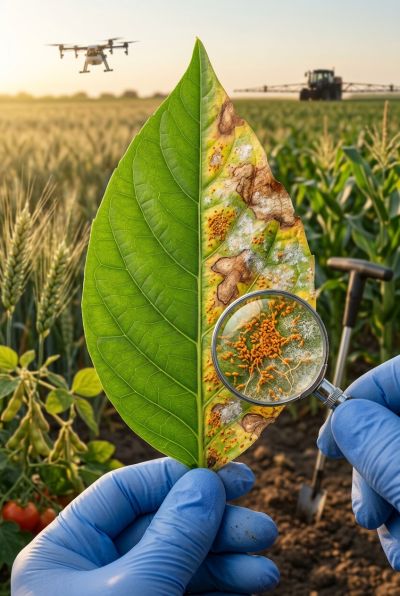
The following is an excerpt from “Common Crop Diseases” by Eleanor Vance, available on MixCache.com.
Introduction
There’s perhaps nothing more disheartening for a farmer than walking through a field and seeing crops that should be thriving looking sickly, spotted, wilted, or simply failing to grow. That vibrant green promise of a healthy harvest can quickly fade, replaced by worry and the looming threat of economic loss. A patch of yellow here, some strange spots there, a section that just doesn't look right – these are the early whispers of a potential problem, the kind that can keep you up at night. Plant diseases are an unfortunate, yet constant, companion in the world of agriculture.
These diseases, caused by a host of microscopic organisms and environmental factors, don't discriminate. They can affect any crop, in any field, anywhere in the world. From the smallest backyard garden to the vast expanses of commercial farms, the challenge remains the same: how do we protect our crops, our investment, and ultimately, our food supply from these persistent threats? Ignoring the signs or misidentifying the problem can lead to ineffective treatments, wasted resources, and devastating yield reductions. Understanding what you’re up against is the critical first step.
This book, "Common Crop Diseases: Identification, Management, and Prevention," is designed to be your practical field companion. We aim to cut through the complex science of plant pathology and provide clear, actionable information specifically for you, the farmer. Whether you're tending a few acres or managing hundreds, whether you're growing grains, vegetables, fruits, or oilseeds, the principles of recognizing, managing, and preventing disease are fundamental to your success. This guide is built on the understanding that healthy crops are the foundation of a healthy farm business and contribute significantly to feeding our communities.
We’ve written this guide with the hands-on farmer in mind. Perhaps you’re just starting out, learning the ropes of cultivation and facing your first puzzling outbreak. Or maybe you’re a seasoned professional looking to refine your disease management strategies and stay updated on common threats. Agricultural students seeking practical knowledge beyond the textbook and extension workers advising growers will also find valuable insights within these pages. Our goal is to equip you with the knowledge to confidently diagnose problems and make informed decisions about crop health.
So, what can you expect to find? We’ll start by demystifying the world of plant diseases, exploring the basic concepts you need to grasp what makes plants sick. Think of it as learning the language of plant health. We’ll then dive into the crucial skill of identification – how to spot the tell-tale symptoms and signs that indicate something is amiss with your crops. Recognizing the difference between nutrient deficiency, insect damage, and actual disease symptoms is a vital skill we aim to sharpen.
Understanding why diseases occur is just as important as recognizing them. We'll touch upon the key ingredients needed for a disease outbreak – a susceptible plant, a troublesome pathogen, and the right environmental conditions. While we won't get bogged down in excessive scientific detail here, grasping this fundamental concept empowers you to think strategically about breaking the cycle of infection. It’s about understanding the battlefield before you choose your weapons.
Crucially, this book focuses on solutions. We will explore a wide spectrum of management strategies, moving beyond simple reactions to outbreaks. You'll learn about cultural practices – how adjustments in planting, tillage, irrigation, and sanitation can significantly reduce disease pressure. We'll investigate the fascinating world of biological control, looking at how beneficial microbes and other natural allies can be recruited to fight off pathogens. These approaches often form the backbone of sustainable farming systems.
Of course, sometimes more direct intervention is necessary. We will cover the judicious use of chemical controls like fungicides, bactericides, and nematicides. The emphasis here will be on understanding when and how to use these tools effectively and responsibly, including crucial information on managing the development of resistance, ensuring these products remain viable tools for the future. We don't advocate for overuse, but acknowledge their place in a comprehensive strategy.
Prevention, as the old saying goes, is better than cure. This principle holds especially true in agriculture. Much of this book is dedicated to proactive measures. We’ll delve into the importance of starting with healthy, disease-free seeds and planting materials. We'll explore the vital connection between soil health and plant resilience, demonstrating how nurturing the soil ecosystem can bolster your crops' natural defenses against disease. Building a strong foundation is key to weathering potential storms.
Putting all these pieces together leads to the concept of Integrated Disease Management, or IDM. This isn't a single magic bullet, but rather a holistic philosophy that combines multiple strategies – cultural, biological, chemical, and genetic – in a coordinated way. IDM aims for sustainable, long-term disease control that minimizes economic damage while also reducing reliance on any single method, particularly chemical inputs. It’s about smart, informed farming.
Throughout this guide, we will navigate the various culprits behind crop diseases. You’ll learn about the major groups of pathogens: the pervasive fungi responsible for rusts, smuts, and wilts; the bacteria causing blights and spots; the insidious viruses that hijack plant cells; the hidden underground threat of nematodes; and the water molds causing devastating rots and mildews. Understanding the nature of the enemy helps in choosing the most effective counter-attack.
To make the information even more practical, we dedicate specific chapters to common diseases affecting major crop categories. We’ll look at the challenges faced in growing cereal crops like wheat, corn, and rice. We’ll cover diseases impacting legumes such as beans, peas, and soybeans. Root and tuber crops like potatoes and cassava get their own focus, as do common vegetables, fruit crops in orchards and vineyards, and important oilseed crops. This allows you to quickly find information relevant to what you grow.
Beyond the field, the battle against disease continues. We’ll discuss the importance of post-harvest handling and storage practices to prevent losses after the hard work of cultivation is done. Protecting your yield until it reaches the market or the consumer is a critical final step. Furthermore, we'll cover the principles of farm biosecurity – simple, practical steps you can take to prevent the introduction and spread of diseases onto and around your farm. Think of it as farm hygiene.
We understand that farming is complex and demanding. The last thing you need is a dense, impenetrable textbook. Therefore, we've strived to keep the language clear, straightforward, and accessible. Where technical terms are necessary, we explain them simply. Our focus is relentlessly practical, providing information you can directly apply in your fields. Think of this book less as a lecture and more as a conversation with a knowledgeable advisor.
Our aim is to empower you. Dealing with plant diseases can sometimes feel overwhelming, like fighting an invisible enemy. By understanding the basics, learning to identify problems accurately, and knowing the range of management options available, you gain a measure of control. This knowledge transforms reactive panic into proactive planning, helping you make timely decisions that can save a crop and protect your livelihood.
Farming is more than just a business; it's a vital role in society. Healthy, productive crops are essential for food security, supporting local economies, and sustaining communities. Managing crop diseases effectively is a key component of sustainable agriculture, helping to ensure we can continue producing the food, feed, and fiber we all rely on, while minimizing environmental impact. Your efforts in the field have repercussions far beyond the farm gate.
While this book provides a comprehensive overview of common crop diseases and their management, plant pathology is a vast and ever-evolving field. New diseases emerge, pathogens develop resistance, and environmental conditions change. Consider this guide a strong foundation and a trusted reference, but always supplement it with local expertise, advice from extension services, and ongoing observation in your own fields. Continuous learning is part of modern farming.
We hope this book becomes a well-used tool in your farming toolkit. Keep it handy in the truck or the farm office. Refer to it when you spot something unusual. Use it to plan your preventative strategies for the upcoming season. Our goal is for the knowledge contained within these pages to contribute directly to the health of your crops and the success of your farm. Let's begin the journey towards healthier fields and more secure harvests, together.
Read “Common Crop Diseases” on MixCache.com →
Please log in or create an account to leave a comment.
No comments yet. Be the first to say something.