

Before You Build That Coop: The Honest Guide to Raising Backyard Chickens
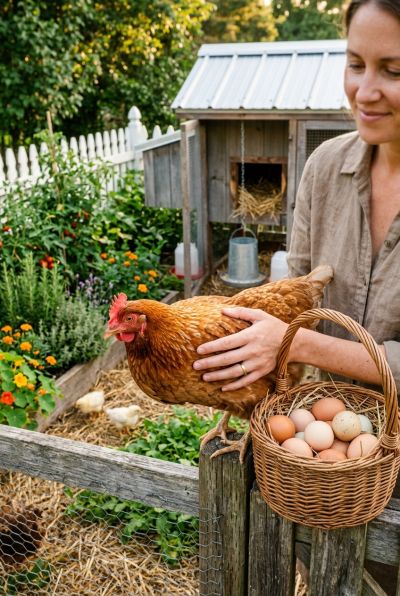
Keeping Chickens At Home isn’t a whimsical celebration of poultry—it’s a systematic, reality-tested manual for turning your backyard into a functioning chicken habitat without losing your sanity. The book reads like an informed conversation with an experienced farmer who hands you a flashlight and points out every pitfall before you stumble into it.
Author Alex Bugeja structures the text as a complete curriculum, beginning with fundamental self-evaluation and moving through detailed care protocols all the way to senior hen geriatrics. Each chapter builds on the last, using plain language and stepwise instructions that assume zero prior knowledge yet still respect the intelligence of readers approaching a substantial commitment. The book balances idealism with blunt practicality, making it a rare guide that both inspires enthusiasm and demands accountability.
A Reality Check on Time, Cost, and Commitment
The opening chapters deliver an unvarnished assessment of what chicken keeping actually demands from its human stewards. Chapter One emphasizes that “Chickens are not garden ornaments or living egg dispensers; they are livestock, and they come with a significant and unwavering set of responsibilities.” Daily tasks—locking the coop at dusk, refilling waterers in subzero weather, spot-cleaning waste—are framed as non-negotiable obligations that persist through illness, vacation, and inclement weather. Bugeja also unpacks the financial reality, noting that a modest flock setup can cost “at least $500 to get started,” with ongoing feed and bedding expenses that rarely create savings compared to supermarket egg prices. The discussion around space requirements and neighbor relations further underscores that success depends less on enthusiasm and more on meticulous planning and ongoing stewardship.
Legal Landscapes and Local Ordinances
Following the emotional groundwork, Bugeja devotes a full chapter to navigating municipal and HOA regulations—a topic many guides gloss over. Chapter Two stresses that zoning rules “can vary wildly and unpredictably” and must be verified before any construction begins. Restrictions on flock size, rooster bans, coop setbacks, and permit requirements are laid out clearly. The author even suggests proactive advocacy strategies for readers stuck in restrictive jurisdictions, proposing that community lobbying with “sensible ordinances” can successfully shift policies. This legal preparation is presented as essential guardrail, preventing the dismay of building an illegal coop or adopting birds that must later be rehomed.
Breed Selection Based on Purpose and Environment
Choosing chickens becomes a methodical exercise when viewed through the lens of intended outcomes, climate compatibility, and temperament. Chapter Three walks readers through a decision matrix: egg-laying machines like White Leghorns for production, cold-hardy Wyandottes and Plymouth Rocks for northern winters, and active foragers like Minorcas for hot climates. Traits such as comb size and feather-footed features are tied directly to seasonal survival, and the author warns against impulse purchases driven by aesthetic appeal. The catalog-style descriptions of Ameraucanas, Marans, and Easter Eggers help readers build realistic expectations around egg color and seasonal laying patterns, steering them away from “chicken math” disappointment.
Predator-Proofing as Fortress Mentality
Perhaps the most sobering focus is placed on security in Chapter Ten, where the book draws a vivid picture of raccoons, weasels, and aerial predators as intelligent adversaries. Bugeja writes that “To a predator, a chicken coop is a tempting buffet,” and emphasizes that predator-proofing is not a one-time project but “a mindset, a continuous process of vigilance.” Hardware cloth—not chicken wire—is declared mandatory, with emphasis on securing latches against raccoon dexterity. Practical advice on apron skirts, nighttime lock-up routines, and environmental deterrents like trimmed vegetation gives readers a concrete defense blueprint rather than generic warnings.
Health Management and Preventive Care
The text treats health issues as inevitable rather than alarmist, focusing on early identification and basic intervention. Chapter Nineteen outlines observable distress signals—reduced activity, pale combs, abnormal droppings—and encourages keepers to perform “head-to-toe” assessments. Common ailments like coccidiosis, bumblefoot, and respiratory infections are broken down into symptoms, treatments, and prevention. Crucially, the author frames a keeper’s first-aid kit as a “nonnegotiable” baseline, stocking it with antiseptics, oyster shell, and electrolytes. The integration of health protocols into seasonal routines—such as managing molt nutrition and ventilation—embeds preventive care naturally into daily habits rather than relying on heroic interventions.
Seasonal Rhythms and Lifecycle Transitions
Rather than stopping at egg collection, Bugeja extends advice into the rhythms of a flock’s yearly cycle. Chapter Twenty details seasonal adjustments: providing shade and electrolytes during summer heat stress, maintaining dry ventilation through winter to prevent frostbite, and managing autumn molts with high-protein feeds. The author frames each season as a distinct stewardship phase rather than a static routine, urging readers to plan ahead for reduced laying periods and senior hen care. Chapter Twenty-Five addresses the “golden years,” recommending all-flock feed for mixed-age groups and modified coop layouts for arthritic old girls, ensuring keepers understand that longevity comes with its own management curve.
Who Should Read This
This book serves beginners best—those who envision backyard chickens as a sustainable hobby rather than a weekend project. Readers who appreciate structured guidance, are willing to confront financial and legal realities, and want to avoid common pitfalls will find Bugeja’s methodical approach invaluable. Neighbors who value harmony, families intent on teaching children responsibility, and gardeners seeking living compost partners will benefit from the book’s holistic view. However, readers seeking a sentimental tribute to pastoral life or a shortcut to instant egg production may find the emphasis on infrastructure, predator-proofing, and routine care too granular. It’s an ideal match for hands-on learners ready to treat chicken keeping as both craft and commitment.
Read “Keeping Chickens At Home” on MixCache.com →
Please log in or create an account to leave a comment.
No comments yet. Be the first to say something.