Browse by Category
Fiction
- Action & Adventure
- African American
- Anthologies
- Children's Fiction
- Classics
- Comics & Graphic Novels
- Coming of Age
- Contemporary
- Cultural & Regional
- Drama
- Erotica
- Fantasy
- General
- Historical Fiction
- Horror
- Humor & Satire
- Literary Fiction
- Mystery, Thriller & Suspense
- Poetry
- Religious & Inspirational
- Romance
- Science Fiction
- Short Stories
- War & Military
- Westerns
- Women's Fiction
- Young Adult
Non-Fiction
- Antiques & Collectibles
- Arts & Photography
- Biographies & Memoirs
- Business & Money
- Children's Non-Fiction
-
Computers & Technology
- Artificial Intelligence
- Computer Science
- Cybersecurity & Cryptography
- Data Science & Analytics
- Databases & Big Data
- Game Development & Design
- General
- Hardware & DIY
- Mobile App Development
- Networking & Cloud Computing
- Operating Systems
- Programming
- Robotics
- Software
- Software Engineering
- User Experience (UX) & Design
- Web Development & Design
- Cooking, Food & Wine
- Crafts, Hobbies & Home
- Education & Teaching
- Engineering
- General
- Health, Fitness & Dieting
-
History
- African History
- African History - North Africa
- African History - Sub-Saharan Africa
- American History
- American History - 20th Century
- American History - Civil War
- American History - Colonial Period
- Ancient History
- Asian History
- Asian History - China
- Asian History - India
- Asian History - Japan
- Asian History - Southeast Asia
- European History
- European History - Ancient Greece
- European History - Ancient Rome
- European History - Medieval
- European History - Modern
- European History - Renaissance
- General
- Middle Eastern History
- Military History
- Military History - Aviation
- Military History - Naval
- Social & Cultural History
- World History
- Humor & Entertainment
- Industrial Technology
- Language Learning
- Law
- LGBTQ+ Non-Fiction
- Literary Criticism
- Medical Books
- Parenting & Relationships
- Philosophy
- Politics & Social Sciences
- Reference
- Religion & Spirituality
-
Science & Math
- Agricultural Sciences
- Astronomy & Space Science
- Behavioral Sciences
- Biological Sciences
- Botany & Plant Science
- Chemistry
- Earth Sciences
- Engineering - Chemical
- Engineering - Civil
- Engineering - Electrical
- Engineering - Mechanical
- Environment
- General
- Geology
- Mathematics
- Nature & Ecology
- Oceanography
- Paleontology
- Physics
- Statistics
- Self-Help
- Sports & Outdoors
- Study Aids
- Sustainability & Green Living
- Textbooks
- Transportation
- Travel
- True Crime
- Urban Planning & Development
- Veterinary Medicine
- Writing & Publishing
Jump to Section
MixCache.com Total Access
Unlimited reading and audiobooks for every book published by MixCache.com.
Included titles carry the MTA badge.
Learn more →
The USSR
A History of the Soviet Union
About this book:
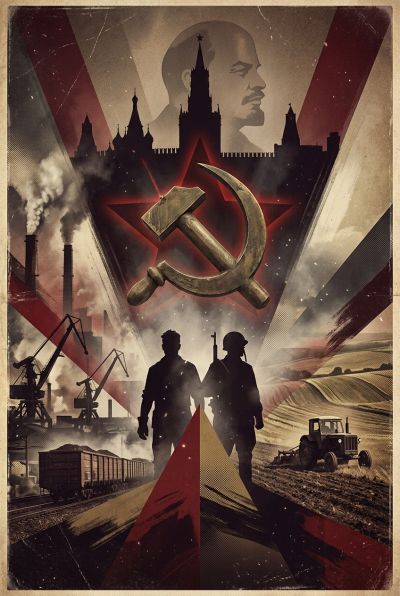
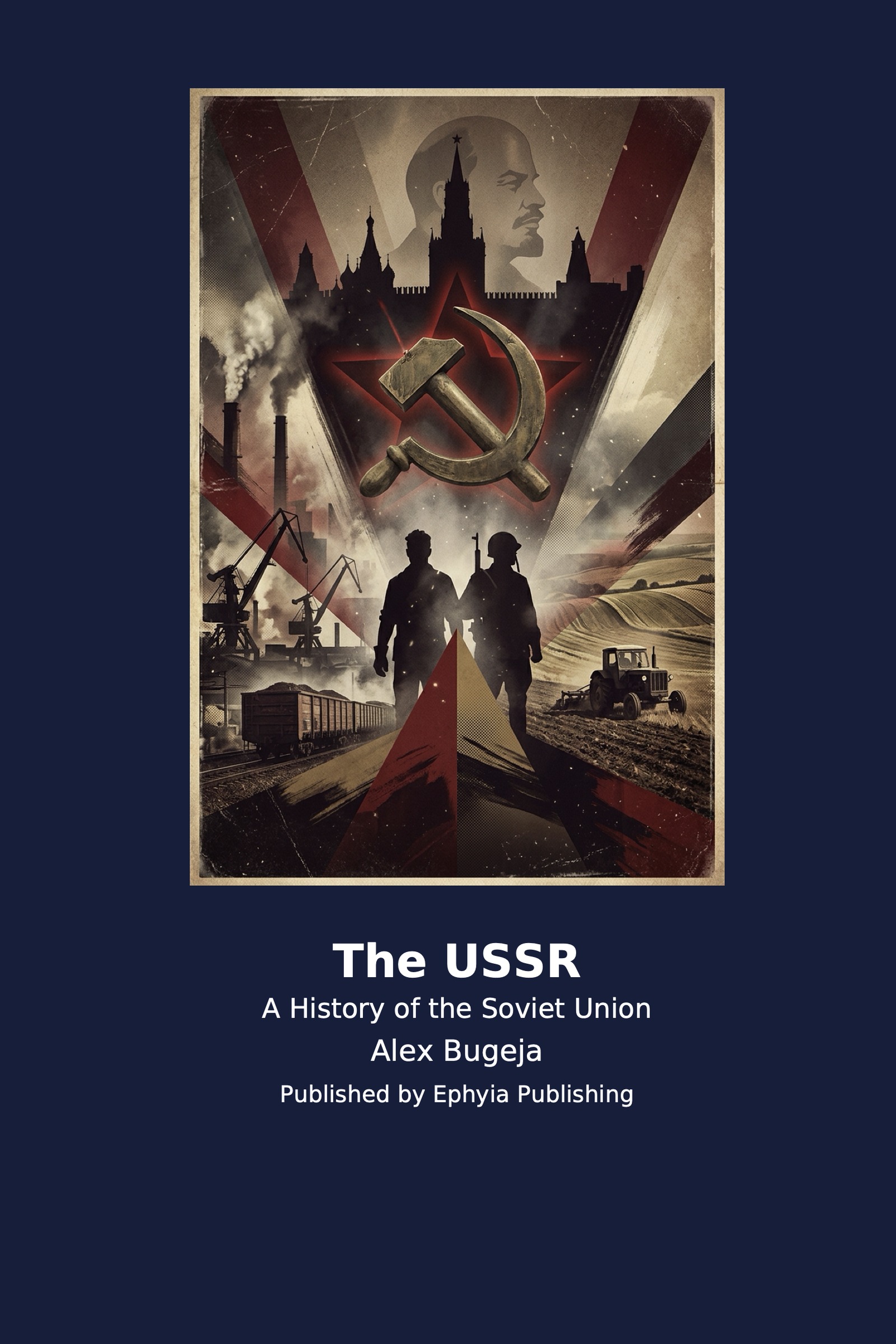
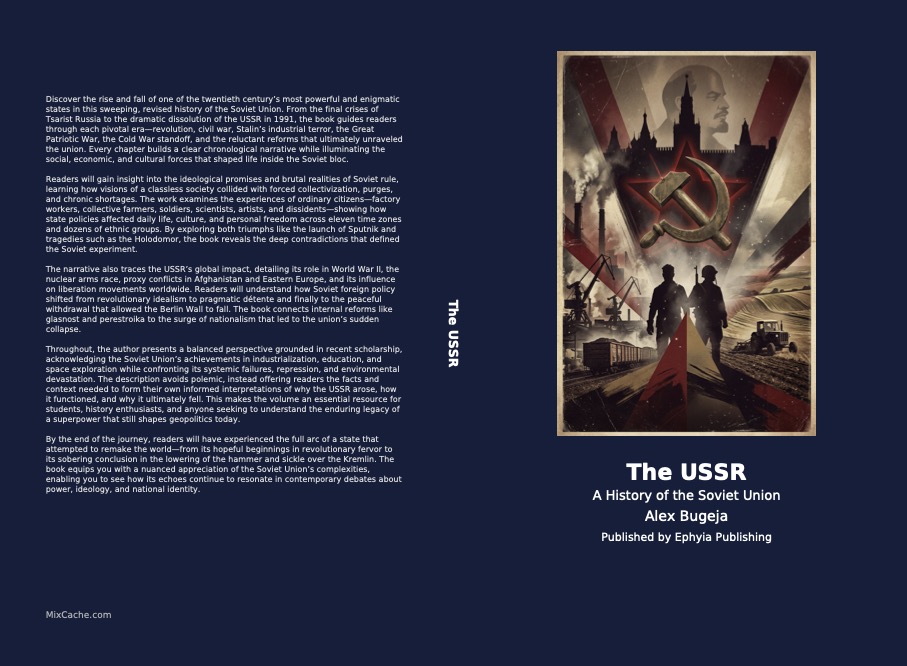
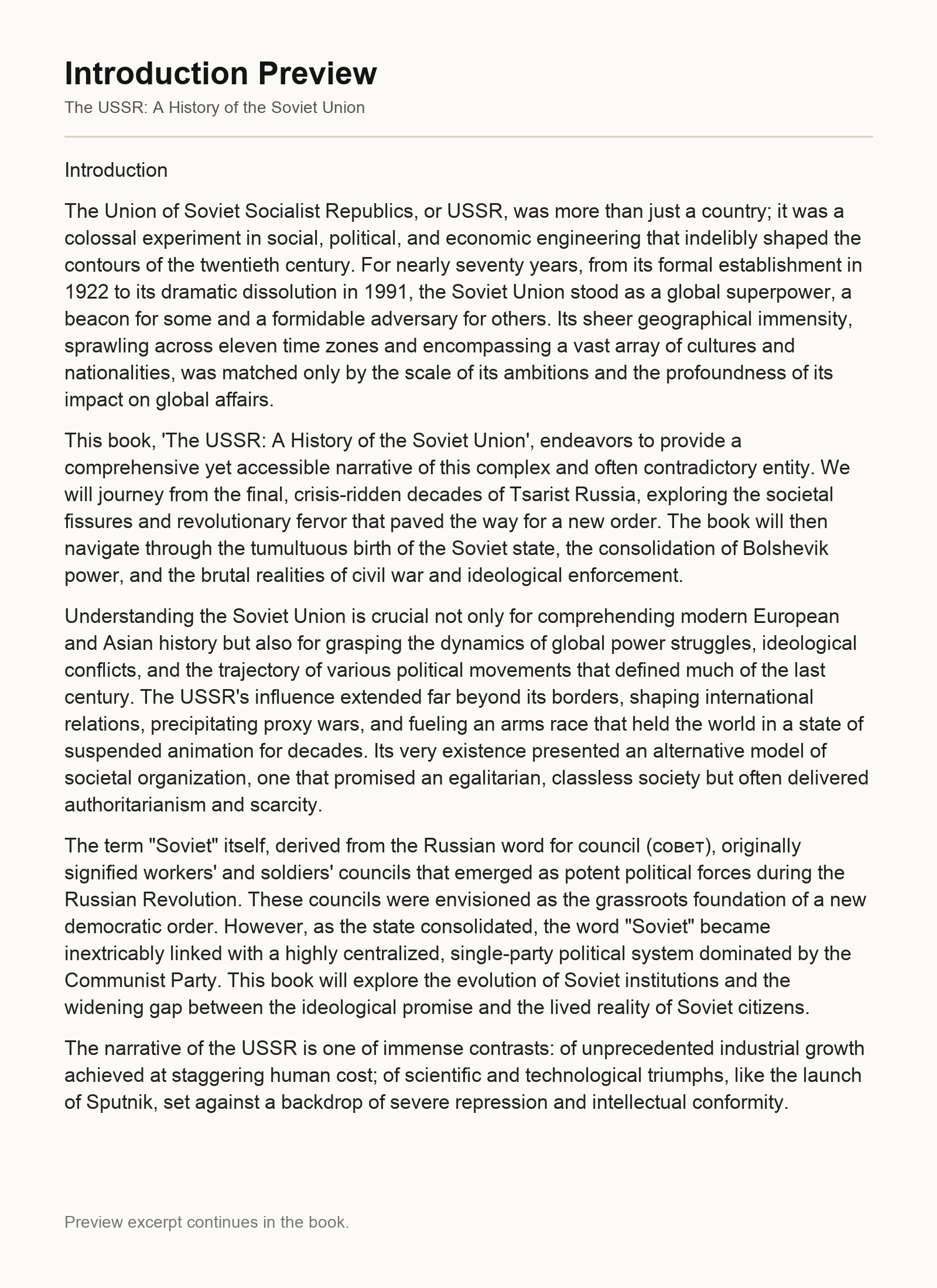
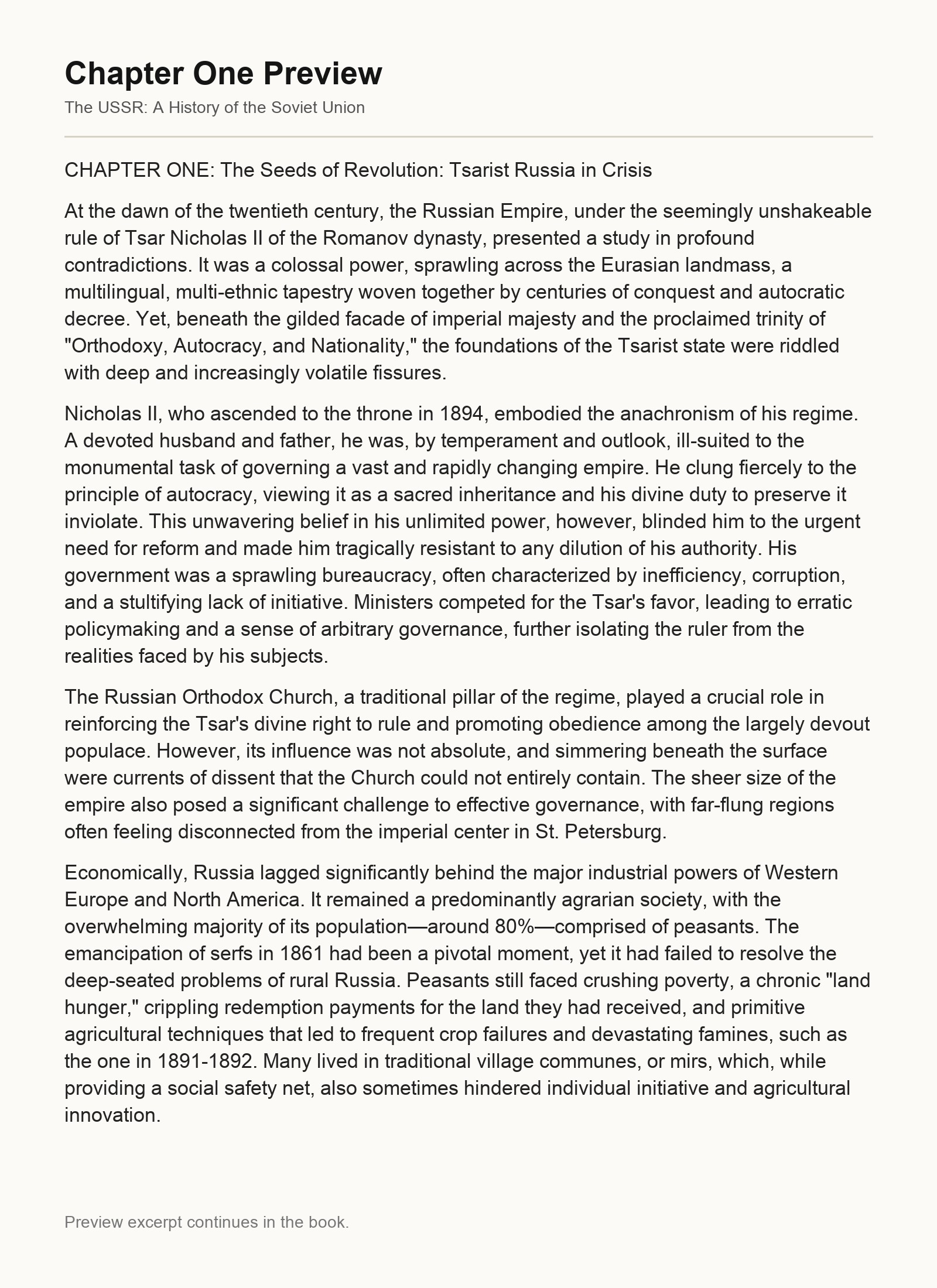
Discover the rise and fall of one of the twentieth century’s most powerful and enigmatic states in this sweeping, revised history of the Soviet Union. From the final crises of Tsarist Russia to the dramatic dissolution of the USSR in 1991, the book guides readers through each pivotal era—revolution, civil war, Stalin’s industrial terror, the Great Patriotic War, the Cold War standoff, and the reluctant reforms that ultimately unraveled the union. Every chapter builds a clear chronological narrative while illuminating the social, economic, and cultural forces that shaped life inside the Soviet bloc.
Readers will gain insight into the ideological promises and brutal realities of Soviet rule, learning how visions of a classless society collided with forced collectivization, purges, and chronic shortages. The work examines the experiences of ordinary citizens—factory workers, collective farmers, soldiers, scientists, artists, and dissidents—showing how state policies affected daily life, culture, and personal freedom across eleven time zones and dozens of ethnic groups. By exploring both triumphs like the launch of Sputnik and tragedies such as the Holodomor, the book reveals the deep contradictions that defined the Soviet experiment.
The narrative also traces the USSR’s global impact, detailing its role in World War II, the nuclear arms race, proxy conflicts in Afghanistan and Eastern Europe, and its influence on liberation movements worldwide. Readers will understand how Soviet foreign policy shifted from revolutionary idealism to pragmatic détente and finally to the peaceful withdrawal that allowed the Berlin Wall to fall. The book connects internal reforms like glasnost and perestroika to the surge of nationalism that led to the union’s sudden collapse.
Throughout, the author presents a balanced perspective grounded in recent scholarship, acknowledging the Soviet Union’s achievements in industrialization, education, and space exploration while confronting its systemic failures, repression, and environmental devastation. The description avoids polemic, instead offering readers the facts and context needed to form their own informed interpretations of why the USSR arose, how it functioned, and why it ultimately fell. This makes the volume an essential resource for students, history enthusiasts, and anyone seeking to understand the enduring legacy of a superpower that still shapes geopolitics today.
By the end of the journey, readers will have experienced the full arc of a state that attempted to remake the world—from its hopeful beginnings in revolutionary fervor to its sobering conclusion in the lowering of the hammer and sickle over the Kremlin. The book equips you with a nuanced appreciation of the Soviet Union’s complexities, enabling you to see how its echoes continue to resonate in contemporary debates about power, ideology, and national identity.
What You'll Find Inside:
- Comprehensive chronological journey from Tsarist Russia's revolutionary origins through the USSR's rise, peak power, and eventual dissolution in 1991.
- Detailed analysis of Stalin's transformative era: forced collectivization, rapid industrialization, and the Great Purge that reshaped Soviet society.
- Examination of the Soviet economic system's contradictions - from wartime mobilization successes to chronic consumer shortages and inefficiencies.
- Exploration of Soviet foreign policy and global influence, including WWII's Eastern Front, Cold War superpower rivalry, and the Space Race.
- Investigation of internal dynamics: nationality policies, dissent movements, cultural developments, and the human experience across Soviet republics.
Who's It For:
This book is ideal for students of 20th-century history, political science enthusiasts, and general readers seeking to understand how the Soviet Union shaped modern global politics. It provides accessible yet comprehensive coverage suitable for those studying Cold War dynamics, socialist experiments, or the historical roots of contemporary Russia and Eastern Europe. Readers will benefit from its balanced approach that examines both the USSR's achievements and its brutal realities without requiring specialized prior knowledge.
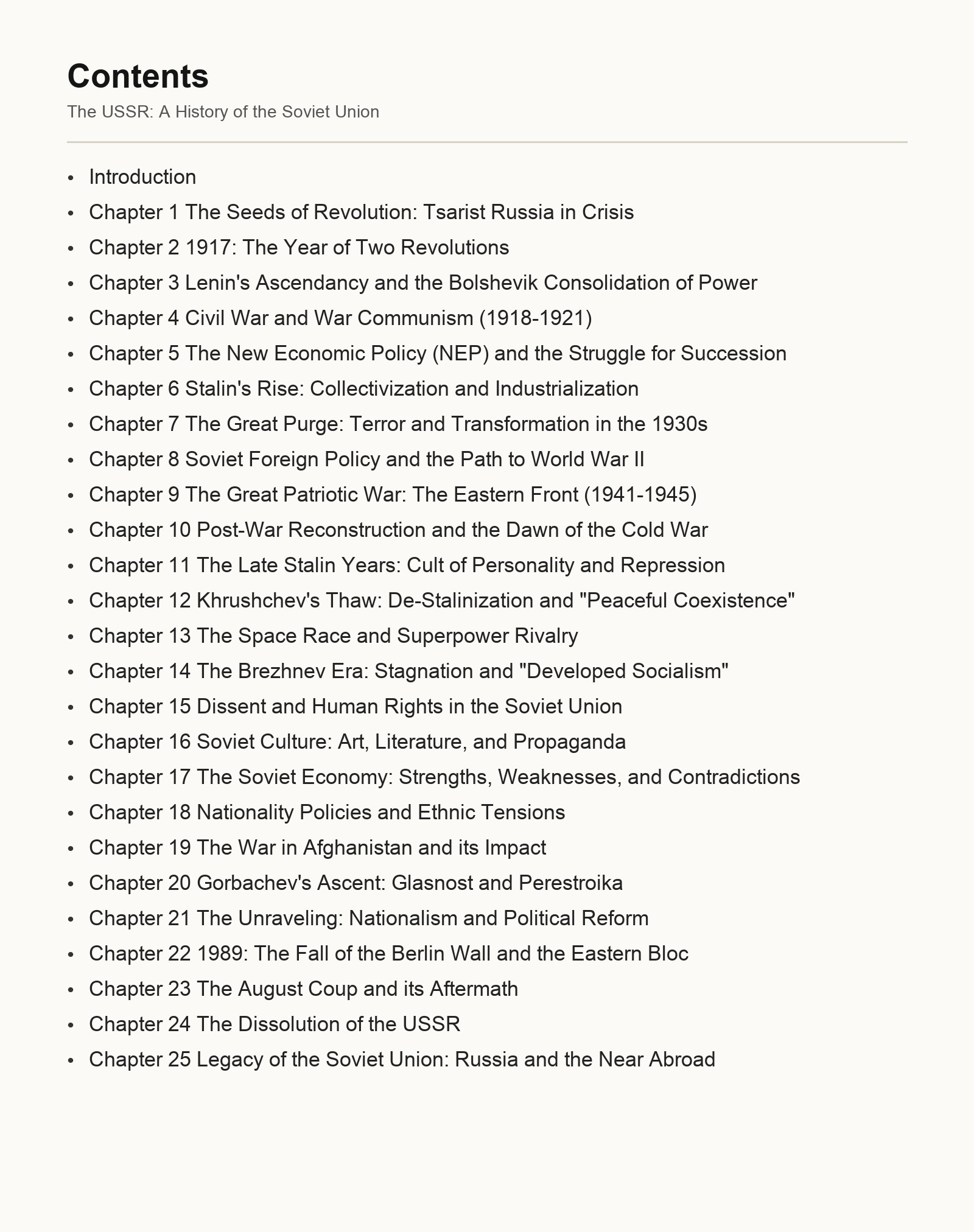
Table of Contents:
- Introduction
- Chapter 1 The Seeds of Revolution: Tsarist Russia in Crisis
- Chapter 2 1917: The Year of Two Revolutions
- Chapter 3 Lenin's Ascendancy and the Bolshevik Consolidation of Power
- Chapter 4 Civil War and War Communism (1918-1921)
- Chapter 5 The New Economic Policy (NEP) and the Struggle for Succession
- Chapter 6 Stalin's Rise: Collectivization and Industrialization
- Chapter 7 The Great Purge: Terror and Transformation in the 1930s
- Chapter 8 Soviet Foreign Policy and the Path to World War II
- Chapter 9 The Great Patriotic War: The Eastern Front (1941-1945)
- Chapter 10 Post-War Reconstruction and the Dawn of the Cold War
- Chapter 11 The Late Stalin Years: Cult of Personality and Repression
- Chapter 12 Khrushchev's Thaw: De-Stalinization and "Peaceful Coexistence"
- Chapter 13 The Space Race and Superpower Rivalry
- Chapter 14 The Brezhnev Era: Stagnation and "Developed Socialism"
- Chapter 15 Dissent and Human Rights in the Soviet Union
- Chapter 16 Soviet Culture: Art, Literature, and Propaganda
- Chapter 17 The Soviet Economy: Strengths, Weaknesses, and Contradictions
- Chapter 18 Nationality Policies and Ethnic Tensions
- Chapter 19 The War in Afghanistan and its Impact
- Chapter 20 Gorbachev's Ascent: Glasnost and Perestroika
- Chapter 21 The Unraveling: Nationalism and Political Reform
- Chapter 22 1989: The Fall of the Berlin Wall and the Eastern Bloc
- Chapter 23 The August Coup and its Aftermath
- Chapter 24 The Dissolution of the USSR
- Chapter 25 Legacy of the Soviet Union: Russia and the Near Abroad
Author:
Published By:
Date Published:
May 22, 2026
Type:
Nonfiction
Language:
English
Also Available In:
Word Count:
52,865 words
Reading Time:
3 hours 42 minutes
Sample:
Order:
Order The USSR (Hardcover) on MixCache.com:
Buy NowPrint copy is made to order and ships worldwide. Includes the ebook free, ready to read instantly.
$5 account credit for all new MixCache.com accounts, usable toward any ebook purchase!*