Browse by Category
Fiction
- Action & Adventure
- African American
- Anthologies
- Children's Fiction
- Classics
- Comics & Graphic Novels
- Coming of Age
- Contemporary
- Cultural & Regional
- Drama
- Erotica
- Fantasy
- General
- Historical Fiction
- Horror
- Humor & Satire
- Literary Fiction
- Mystery, Thriller & Suspense
- Poetry
- Religious & Inspirational
- Romance
- Science Fiction
- Short Stories
- War & Military
- Westerns
- Women's Fiction
- Young Adult
Non-Fiction
- Antiques & Collectibles
- Arts & Photography
- Biographies & Memoirs
- Business & Money
- Children's Non-Fiction
-
Computers & Technology
- Artificial Intelligence
- Computer Science
- Cybersecurity & Cryptography
- Data Science & Analytics
- Databases & Big Data
- Game Development & Design
- General
- Hardware & DIY
- Mobile App Development
- Networking & Cloud Computing
- Operating Systems
- Programming
- Robotics
- Software
- Software Engineering
- User Experience (UX) & Design
- Web Development & Design
- Cooking, Food & Wine
- Crafts, Hobbies & Home
- Education & Teaching
- Engineering
- General
- Health, Fitness & Dieting
-
History
- African History
- African History - North Africa
- African History - Sub-Saharan Africa
- American History
- American History - 20th Century
- American History - Civil War
- American History - Colonial Period
- Ancient History
- Asian History
- Asian History - China
- Asian History - India
- Asian History - Japan
- Asian History - Southeast Asia
- European History
- European History - Ancient Greece
- European History - Ancient Rome
- European History - Medieval
- European History - Modern
- European History - Renaissance
- General
- Middle Eastern History
- Military History
- Military History - Aviation
- Military History - Naval
- Social & Cultural History
- World History
- Humor & Entertainment
- Industrial Technology
- Language Learning
- Law
- LGBTQ+ Non-Fiction
- Literary Criticism
- Medical Books
- Parenting & Relationships
- Philosophy
- Politics & Social Sciences
- Reference
- Religion & Spirituality
-
Science & Math
- Agricultural Sciences
- Astronomy & Space Science
- Behavioral Sciences
- Biological Sciences
- Botany & Plant Science
- Chemistry
- Earth Sciences
- Engineering - Chemical
- Engineering - Civil
- Engineering - Electrical
- Engineering - Mechanical
- Environment
- General
- Geology
- Mathematics
- Nature & Ecology
- Oceanography
- Paleontology
- Physics
- Statistics
- Self-Help
- Sports & Outdoors
- Study Aids
- Sustainability & Green Living
- Textbooks
- Transportation
- Travel
- True Crime
- Urban Planning & Development
- Veterinary Medicine
- Writing & Publishing
Jump to Section
MixCache.com Total Access
Unlimited reading and audiobooks for every book published by MixCache.com.
Included titles carry the MTA badge.
Learn more →A History of Namibia
About this book:
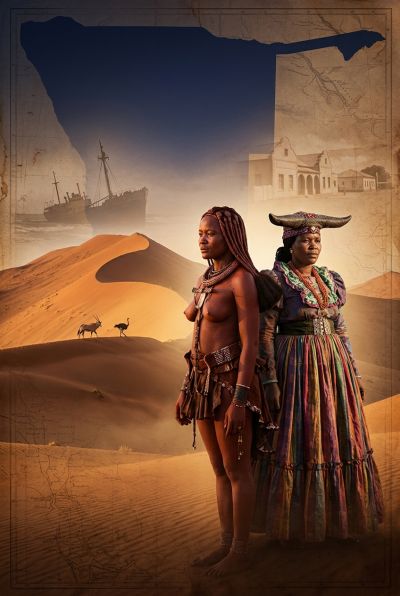
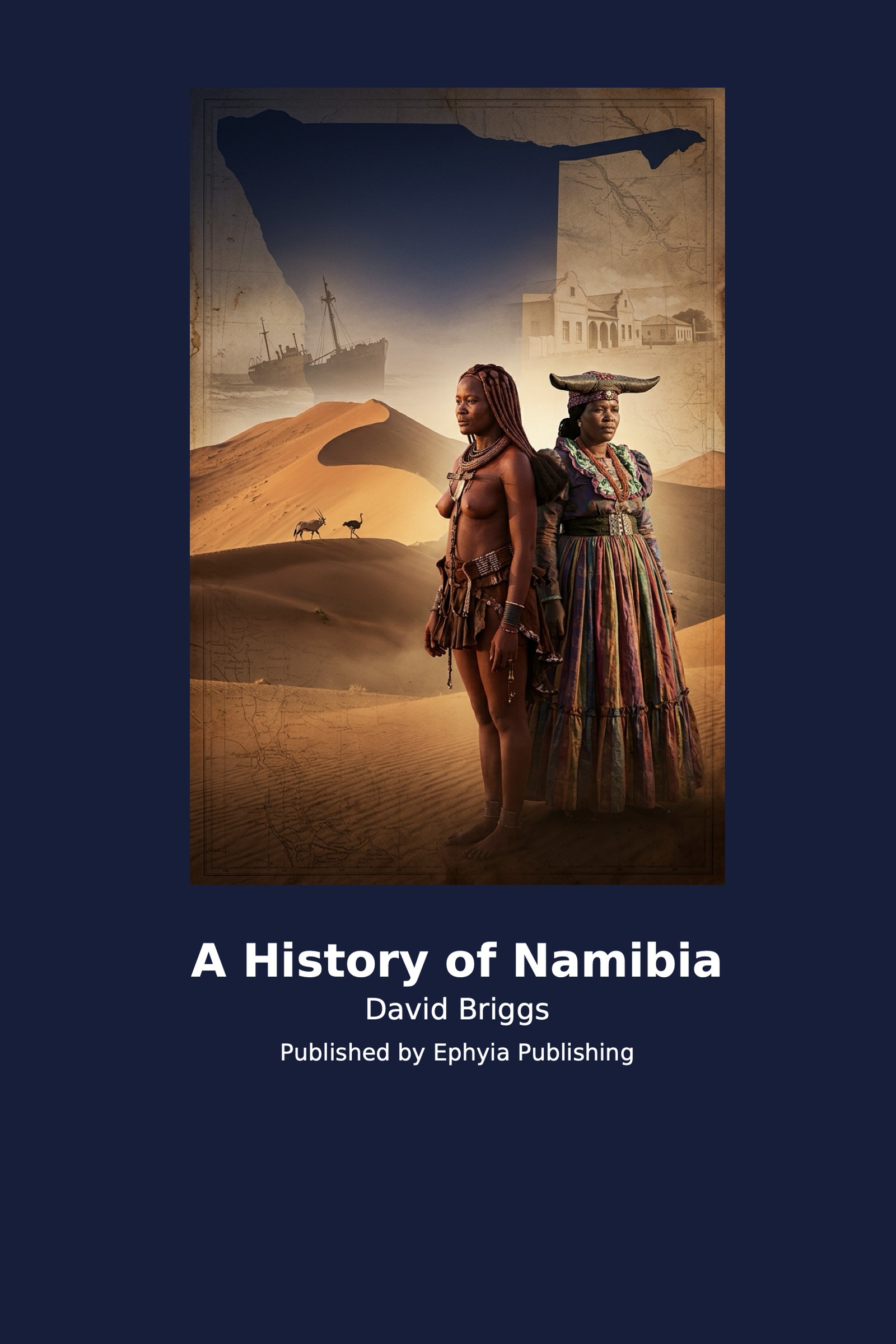
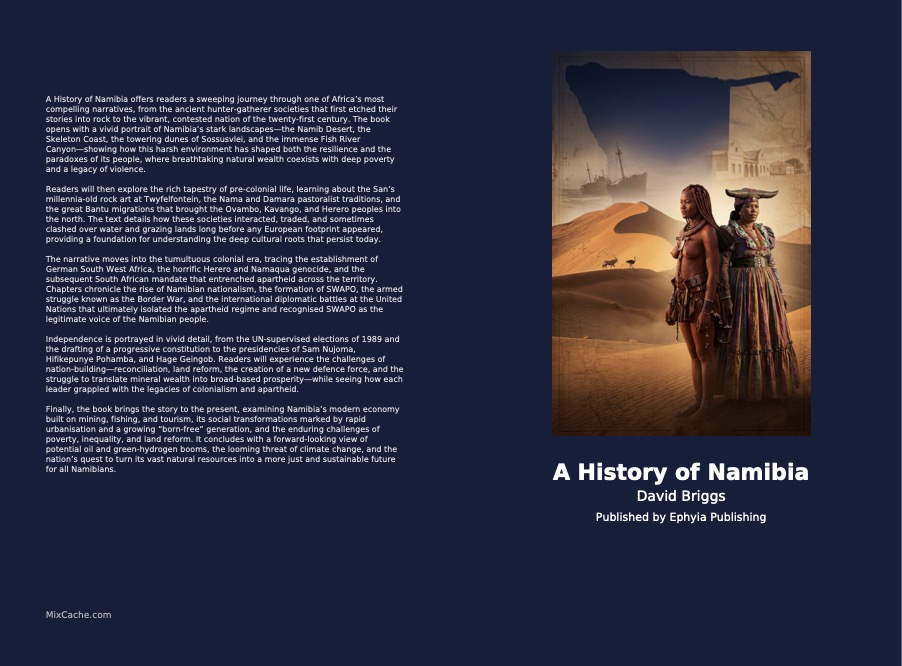
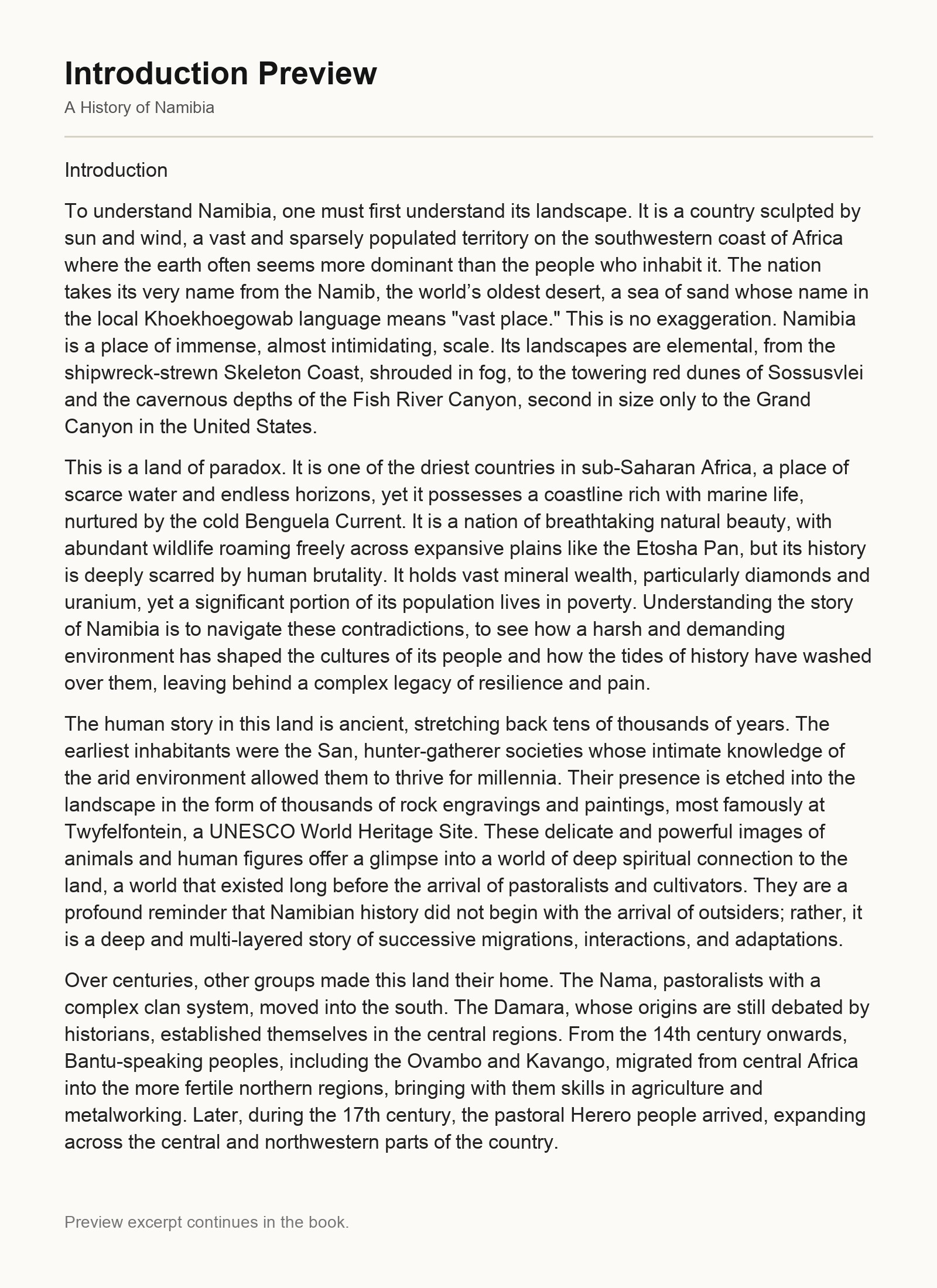
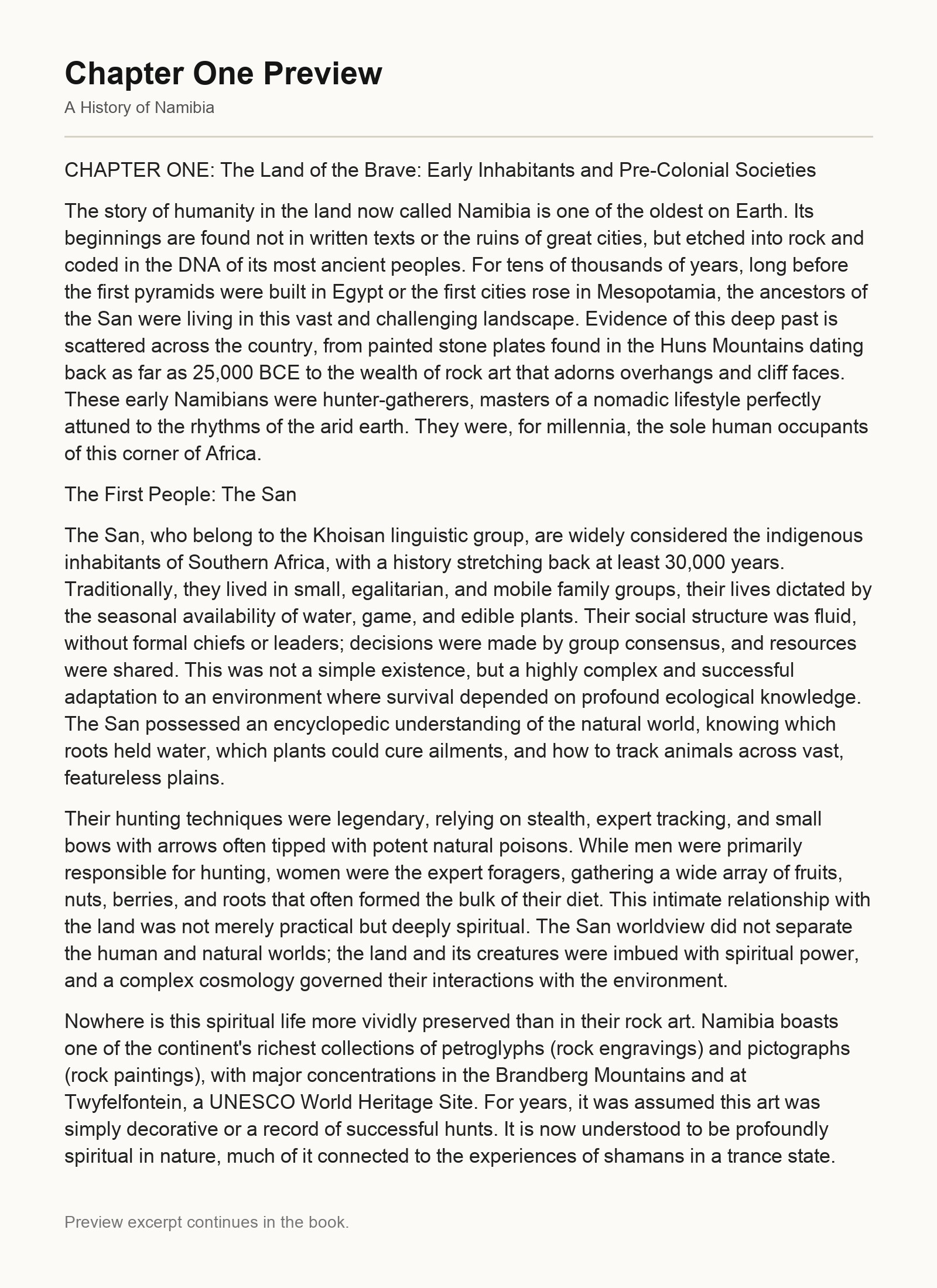
A History of Namibia offers readers a sweeping journey through one of Africa’s most compelling narratives, from the ancient hunter‑gatherer societies that first etched their stories into rock to the vibrant, contested nation of the twenty‑first century. The book opens with a vivid portrait of Namibia’s stark landscapes—the Namib Desert, the Skeleton Coast, the towering dunes of Sossusvlei, and the immense Fish River Canyon—showing how this harsh environment has shaped both the resilience and the paradoxes of its people, where breathtaking natural wealth coexists with deep poverty and a legacy of violence.
Readers will then explore the rich tapestry of pre‑colonial life, learning about the San’s millennia‑old rock art at Twyfelfontein, the Nama and Damara pastoralist traditions, and the great Bantu migrations that brought the Ovambo, Kavango, and Herero peoples into the north. The text details how these societies interacted, traded, and sometimes clashed over water and grazing lands long before any European footprint appeared, providing a foundation for understanding the deep cultural roots that persist today.
The narrative moves into the tumultuous colonial era, tracing the establishment of German South West Africa, the horrific Herero and Namaqua genocide, and the subsequent South African mandate that entrenched apartheid across the territory. Chapters chronicle the rise of Namibian nationalism, the formation of SWAPO, the armed struggle known as the Border War, and the international diplomatic battles at the United Nations that ultimately isolated the apartheid regime and recognised SWAPO as the legitimate voice of the Namibian people.
Independence is portrayed in vivid detail, from the UN‑supervised elections of 1989 and the drafting of a progressive constitution to the presidencies of Sam Nujoma, Hifikepunye Pohamba, and Hage Geingob. Readers will experience the challenges of nation‑building—reconciliation, land reform, the creation of a new defence force, and the struggle to translate mineral wealth into broad‑based prosperity—while seeing how each leader grappled with the legacies of colonialism and apartheid.
Finally, the book brings the story to the present, examining Namibia’s modern economy built on mining, fishing, and tourism, its social transformations marked by rapid urbanisation and a growing “born‑free” generation, and the enduring challenges of poverty, inequality, and land reform. It concludes with a forward‑looking view of potential oil and green‑hydrogen booms, the looming threat of climate change, and the nation’s quest to turn its vast natural resources into a more just and sustainable future for all Namibians.
What You'll Find Inside:
- The book explores Namibia's ancient indigenous heritage, detailing the San people's 30,000-year presence and their profound spiritual rock art at Twyfelfontein, revealing how early cultures thrived in the harsh desert environment.
- It provides a comprehensive account of the German colonial period (1884-1915), including the Herero and Namaqua Genocide of 1904-1908 - recognized as the first genocide of the 20th century - and its lasting trauma on Namibian society.
- The text traces the evolution of Namibian resistance from early petitions to the United Nations through the formation of SWAPO in 1960 and the prolonged armed struggle that ultimately led to independence in 1990.
- It examines the post-independence challenges of nation-building, including the slow progress of land reform, persistent economic inequalities rooted in colonial history, and the ongoing process of national reconciliation.
- The book concludes with Namibia's 21st-century developments, analyzing the potential economic transformation from newly discovered oil and gas reserves, anti-corruption efforts, and innovative green energy initiatives like green hydrogen production.
Who's It For:
This book is ideal for students and scholars of African history, particularly those focusing on southern African studies, colonialism, and post-colonial nation-building. It will also benefit policymakers, development practitioners, and anyone seeking a deep understanding of Namibia's unique historical trajectory from ancient times to the present day. General readers with an interest in African social justice, liberation movements, and the challenges of building equitable societies after colonialism will find this comprehensive narrative both informative and engaging.
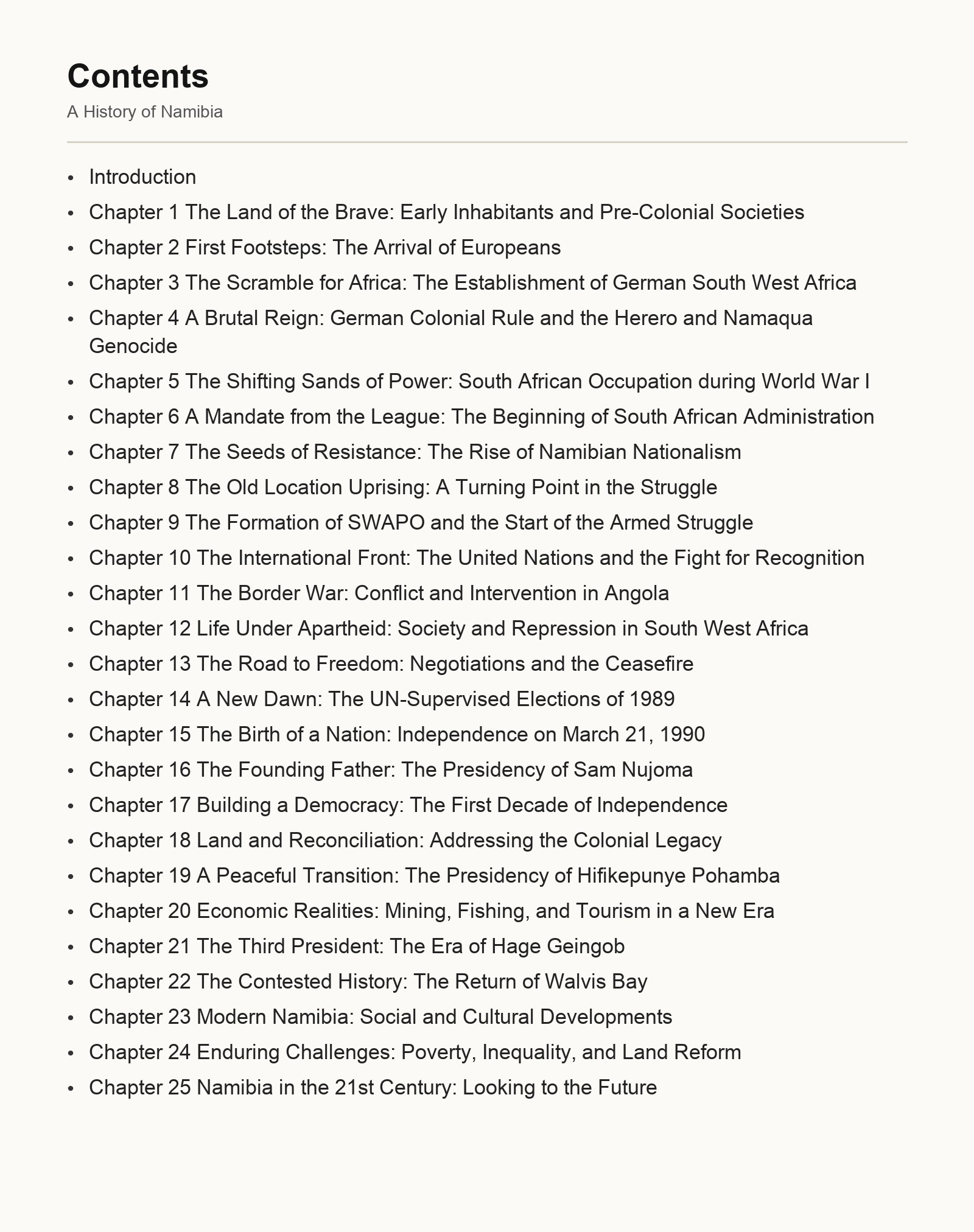
Table of Contents:
- Introduction
- Chapter 1 The Land of the Brave: Early Inhabitants and Pre-Colonial Societies
- Chapter 2 First Footsteps: The Arrival of Europeans
- Chapter 3 The Scramble for Africa: The Establishment of German South West Africa
- Chapter 4 A Brutal Reign: German Colonial Rule and the Herero and Namaqua Genocide
- Chapter 5 The Shifting Sands of Power: South African Occupation during World War I
- Chapter 6 A Mandate from the League: The Beginning of South African Administration
- Chapter 7 The Seeds of Resistance: The Rise of Namibian Nationalism
- Chapter 8 The Old Location Uprising: A Turning Point in the Struggle
- Chapter 9 The Formation of SWAPO and the Start of the Armed Struggle
- Chapter 10 The International Front: The United Nations and the Fight for Recognition
- Chapter 11 The Border War: Conflict and Intervention in Angola
- Chapter 12 Life Under Apartheid: Society and Repression in South West Africa
- Chapter 13 The Road to Freedom: Negotiations and the Ceasefire
- Chapter 14 A New Dawn: The UN-Supervised Elections of 1989
- Chapter 15 The Birth of a Nation: Independence on March 21, 1990
- Chapter 16 The Founding Father: The Presidency of Sam Nujoma
- Chapter 17 Building a Democracy: The First Decade of Independence
- Chapter 18 Land and Reconciliation: Addressing the Colonial Legacy
- Chapter 19 A Peaceful Transition: The Presidency of Hifikepunye Pohamba
- Chapter 20 Economic Realities: Mining, Fishing, and Tourism in a New Era
- Chapter 21 The Third President: The Era of Hage Geingob
- Chapter 22 The Contested History: The Return of Walvis Bay
- Chapter 23 Modern Namibia: Social and Cultural Developments
- Chapter 24 Enduring Challenges: Poverty, Inequality, and Land Reform
- Chapter 25 Namibia in the 21st Century: Looking to the Future
Author:
Published By:
Date Published:
May 17, 2026
Type:
Nonfiction
Language:
English
Also Available In:
Word Count:
42,992 words
Reading Time:
3 hours 1 minutes
Sample:
Order:
Order A History of Namibia (Paperback) on MixCache.com:
Buy NowPrint copy is made to order and ships worldwide. Includes the ebook free, ready to read instantly.
$5 account credit for all new MixCache.com accounts, usable toward any ebook purchase!*