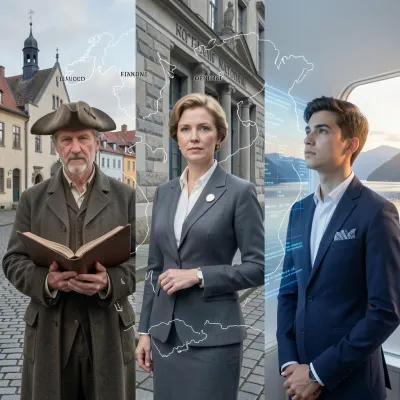
Habsburg Heart: Vienna’s Courts, Concert Halls, and Political Culture
MTA
The political, musical, and social forces that made Vienna Europe’s imperial center
About this book:
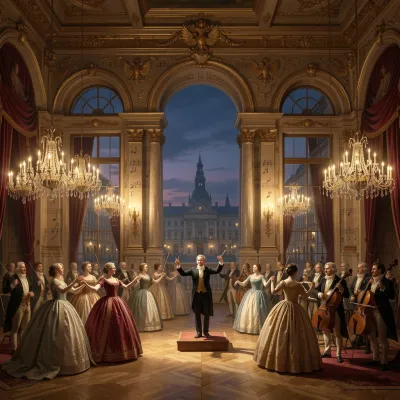
Vienna’s emergence as Europe’s imperial capital was not the result of dynastic decree alone but of a dense web of cultural institutions, musical practices, and social arrangements that made power audible, visible, and habitable. The city’s geography—its position on the Danube, the Hofburg’s expanding architecture, and the deliberate layout of streets and parks—provided a physical stage for Habsburg sovereignty, where rituals, processions, and ceremonial displays turned governance into performance and performance into governance. Court structures balanced central authority with semi‑autonomous territories, and the imperial household functioned as both administrative hub and cultural patron, using music, art, and spectacle to legitimize rule across a multiethnic empire.
Music served as the empire’s social technology, evolving from chapel ensembles and court opera to public concert halls, bourgeois subscription series, and mass spectacles in parks. Patronage networks—Habsburg, aristocratic, bourgeois, and later municipal—channeled resources to composers and performers, while censorship, libretti, and audience reception made opera a battleground of political meaning. The shift from sacred to secular repertoires, the rise of the waltz and march as imperial soundtracks, and the professionalization of music through conservatories, critics, and independent orchestras transformed listening into a civic act that negotiated consent, expressed dissent, and forged shared identities among nobles, commoners, and migrant communities.
Urban expansion and migration continually reshaped Vienna’s social fabric. The demolition of fortifications and creation of the Ringstrasse projected imperial modernity through monumental buildings, wide boulevards, and new public institutions that housed museums, universities, and the parliament. Waves of Czechs, Hungarians, Jews, Slovene, and other peoples brought labor, artistry, and cultural exchange, creating ethnic enclaves and stimulating both cooperation and tension. Coffeehouses, newspapers, and salons became unofficial forums where public opinion formed, liberal ideas circulated, and cultural wars over morality, modernism, and national identity played out, while the state simultaneously used festivals, exhibitions, and diplomatic performances to project soft power abroad.
After the collapse of the Habsburg monarchy in
What You'll Find Inside:
- Vienna became Europe's imperial center through cultural institutions, musical practices, and social arrangements that made power audible, visible, and habitable, not through political fiat alone
- The book demonstrates how political history, music history, and urban/social history interconnect to show how artistic prestige underwrote authority and administrative routines enabled creativity
- It traces Vienna's development from early modern consolidation through Enlightenment reforms, the Congress of Vienna, 1848 upheavals, Ringstrasse modernity, WWI crisis, and Red Vienna aftermath
- Music is treated as a social technology that organized time, space, and feeling, teaching audiences how to listen together and rulers how to be seen and heard
- Vienna functioned as a center of cultural diplomacy where musical performances, diplomatic congresses, and exhibition spectacles transformed the city into a resonant chamber for European powers
Who's It For:
This book would appeal to scholars and students of European history, particularly those interested in the Habsburg Empire, urban history, music history, and cultural studies. It would also benefit readers fascinated by how music and politics intersect in shaping civic identity, as well as anyone interested in Vienna's transformation from imperial capital to modern metropolis. The interdisciplinary approach makes it suitable for academics in history, musicology, urban studies, and cultural studies who want to understand how cultural institutions underpinned imperial power.
Author:
Published By:
Date Published:
June 7, 2026
Type:
Nonfiction
Language:
English
Word Count:
61,883 words
Reading Time:
4 hours 20 minutes
Sample:
Order:
Click to order this hardcover:
Buy NowPrint copy is made to order and ships worldwide. Includes the ebook free, ready to read instantly.
$5 account credit for all new MixCache.com accounts, usable toward any ebook purchase!*