Browse by Category
Fiction
- Action & Adventure
- African American
- Anthologies
- Children's Fiction
- Classics
- Comics & Graphic Novels
- Coming of Age
- Contemporary
- Cultural & Regional
- Drama
- Erotica
- Fantasy
- General
- Historical Fiction
- Horror
- Humor & Satire
- Literary Fiction
- Mystery, Thriller & Suspense
- Poetry
- Religious & Inspirational
- Romance
- Science Fiction
- Short Stories
- War & Military
- Westerns
- Women's Fiction
- Young Adult
Non-Fiction
- Antiques & Collectibles
- Arts & Photography
- Biographies & Memoirs
- Business & Money
- Children's Non-Fiction
-
Computers & Technology
- Artificial Intelligence
- Computer Science
- Cybersecurity & Cryptography
- Data Science & Analytics
- Databases & Big Data
- Game Development & Design
- General
- Hardware & DIY
- Mobile App Development
- Networking & Cloud Computing
- Operating Systems
- Programming
- Robotics
- Software
- Software Engineering
- User Experience (UX) & Design
- Web Development & Design
- Cooking, Food & Wine
- Crafts, Hobbies & Home
- Education & Teaching
- Engineering
- General
- Health, Fitness & Dieting
-
History
- African History
- African History - North Africa
- African History - Sub-Saharan Africa
- American History
- American History - 20th Century
- American History - Civil War
- American History - Colonial Period
- Ancient History
- Asian History
- Asian History - China
- Asian History - India
- Asian History - Japan
- Asian History - Southeast Asia
- European History
- European History - Ancient Greece
- European History - Ancient Rome
- European History - Medieval
- European History - Modern
- European History - Renaissance
- General
- Middle Eastern History
- Military History
- Military History - Aviation
- Military History - Naval
- Social & Cultural History
- World History
- Humor & Entertainment
- Industrial Technology
- Language Learning
- Law
- LGBTQ+ Non-Fiction
- Literary Criticism
- Medical Books
- Parenting & Relationships
- Philosophy
- Politics & Social Sciences
- Reference
- Religion & Spirituality
-
Science & Math
- Agricultural Sciences
- Astronomy & Space Science
- Behavioral Sciences
- Biological Sciences
- Botany & Plant Science
- Chemistry
- Earth Sciences
- Engineering - Chemical
- Engineering - Civil
- Engineering - Electrical
- Engineering - Mechanical
- Environment
- General
- Geology
- Mathematics
- Nature & Ecology
- Oceanography
- Paleontology
- Physics
- Statistics
- Self-Help
- Sports & Outdoors
- Study Aids
- Sustainability & Green Living
- Textbooks
- Transportation
- Travel
- True Crime
- Urban Planning & Development
- Veterinary Medicine
- Writing & Publishing
Jump to Section
MixCache.com Total Access
Unlimited reading and audiobooks for every book published by MixCache.com.
Included titles carry the MTA badge.
Learn more →
The Discovery Of The New World
A Concise History of the Discovery of America
About this book:
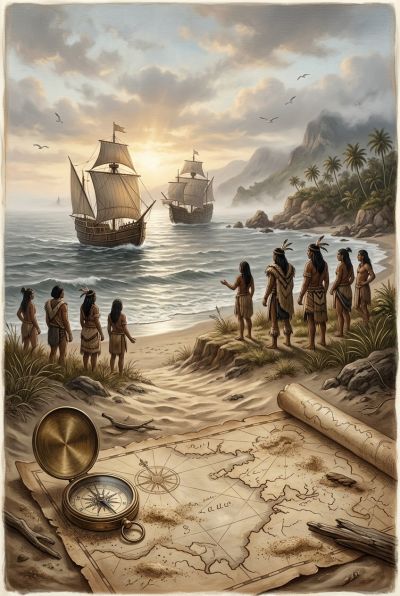
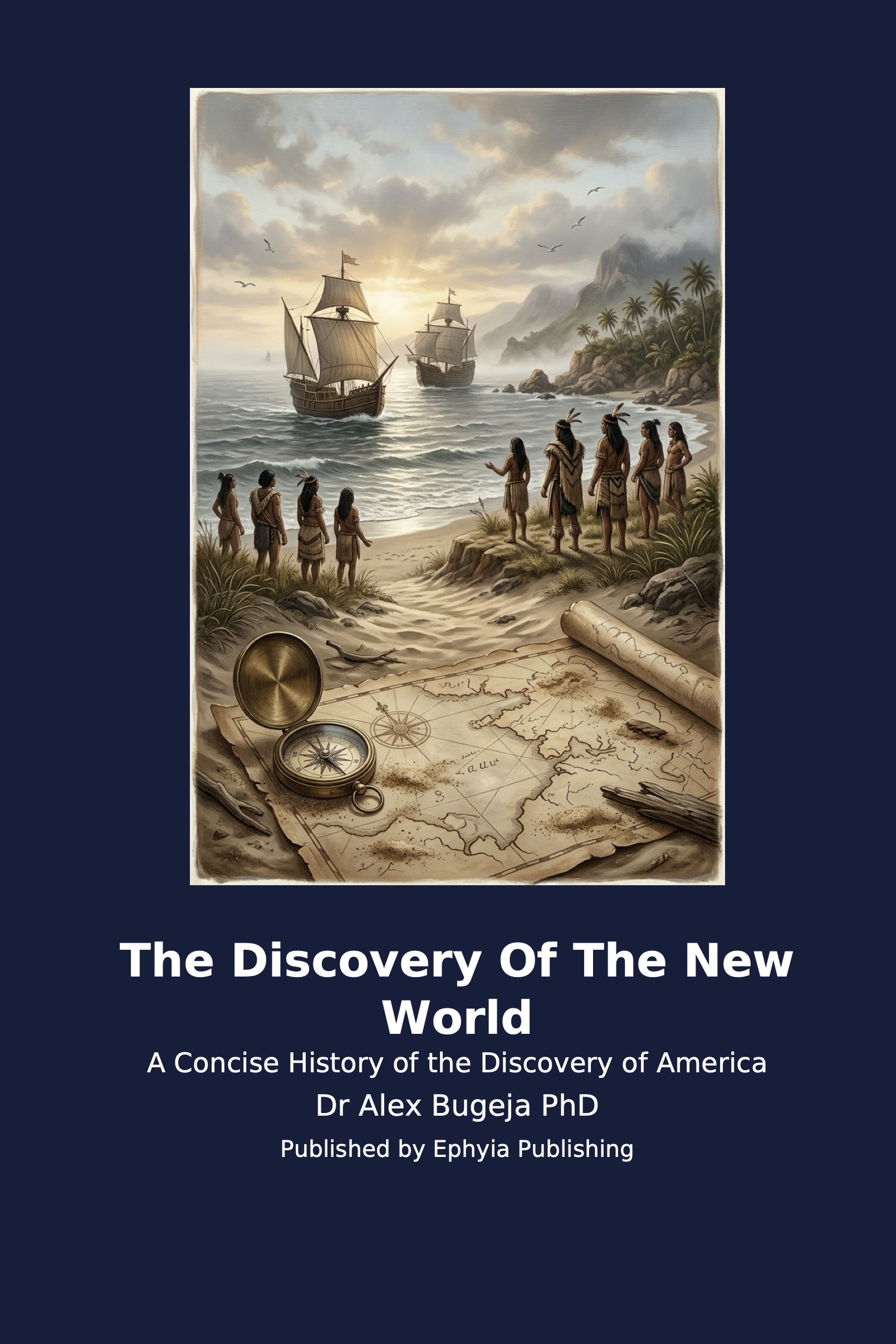
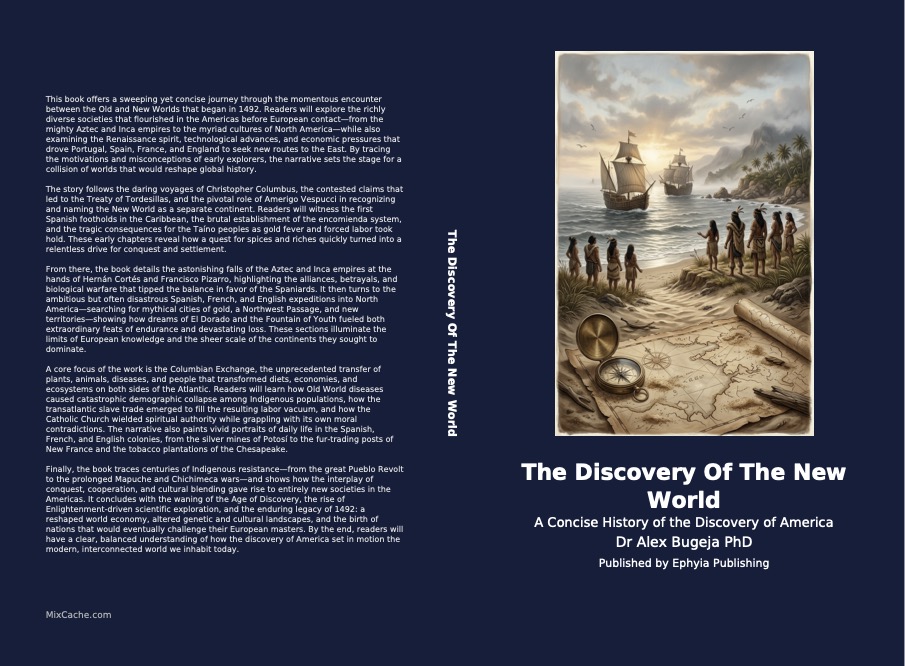
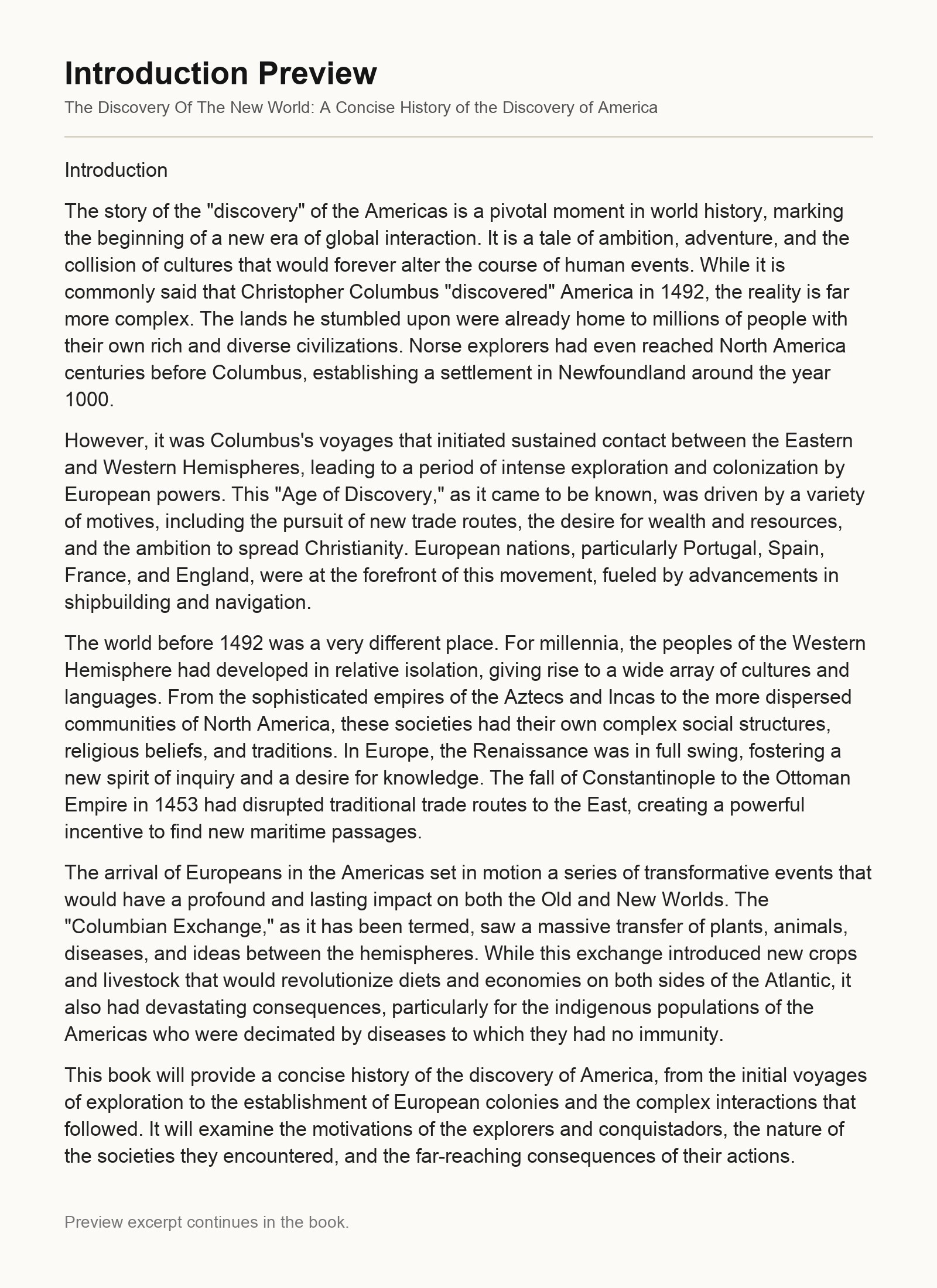
This book offers a sweeping yet concise journey through the momentous encounter between the Old and New Worlds that began in 1492. Readers will explore the richly diverse societies that flourished in the Americas before European contact—from the mighty Aztec and Inca empires to the myriad cultures of North America—while also examining the Renaissance spirit, technological advances, and economic pressures that drove Portugal, Spain, France, and England to seek new routes to the East. By tracing the motivations and misconceptions of early explorers, the narrative sets the stage for a collision of worlds that would reshape global history.
The story follows the daring voyages of Christopher Columbus, the contested claims that led to the Treaty of Tordesillas, and the pivotal role of Amerigo Vespucci in recognizing and naming the New World as a separate continent. Readers will witness the first Spanish footholds in the Caribbean, the brutal establishment of the encomienda system, and the tragic consequences for the Taíno peoples as gold fever and forced labor took hold. These early chapters reveal how a quest for spices and riches quickly turned into a relentless drive for conquest and settlement.
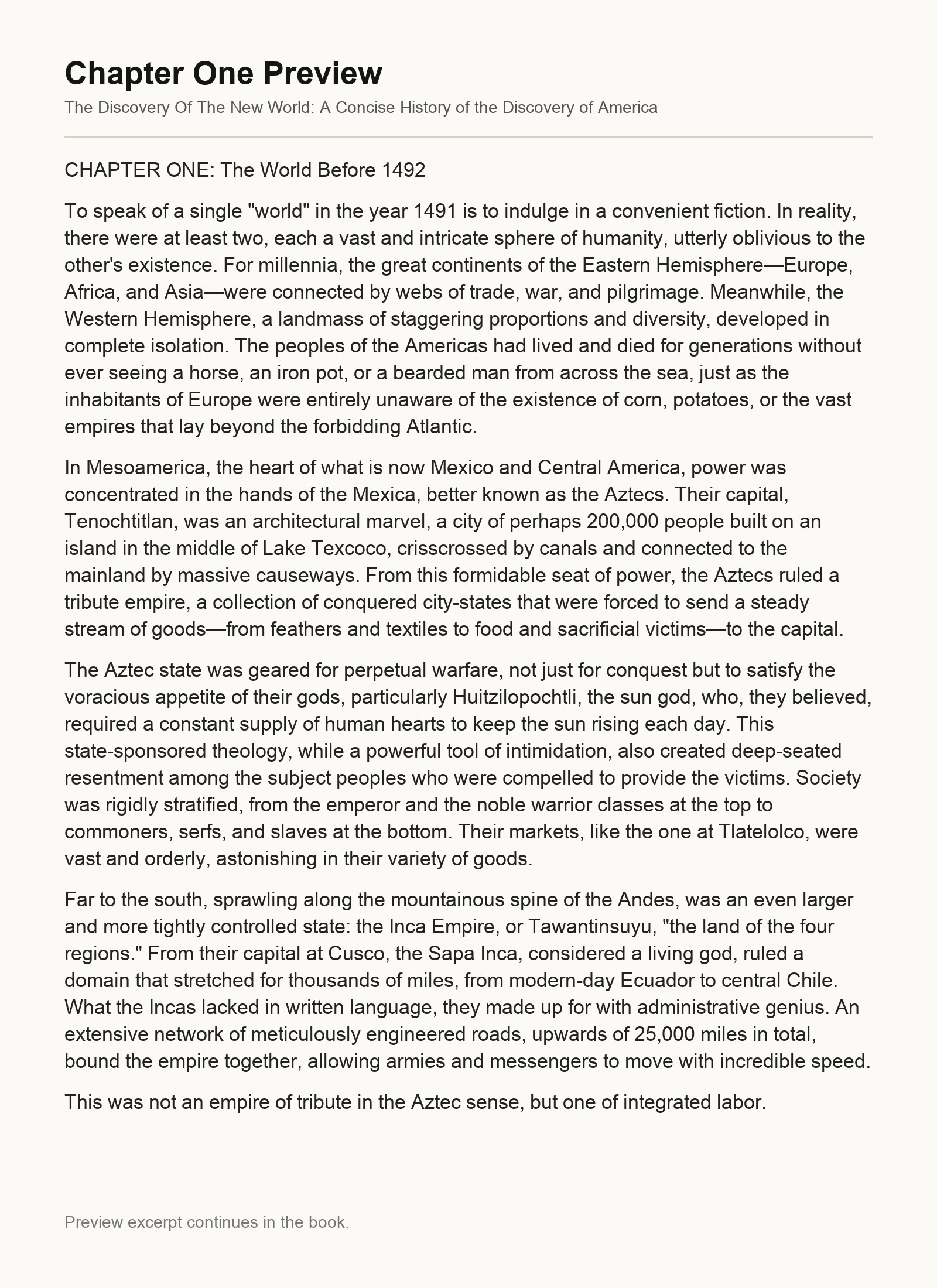
From there, the book details the astonishing falls of the Aztec and Inca empires at the hands of Hernán Cortés and Francisco Pizarro, highlighting the alliances, betrayals, and biological warfare that tipped the balance in favor of the Spaniards. It then turns to the ambitious but often disastrous Spanish, French, and English expeditions into North America—searching for mythical cities of gold, a Northwest Passage, and new territories—showing how dreams of El Dorado and the Fountain of Youth fueled both extraordinary feats of endurance and devastating loss. These sections illuminate the limits of European knowledge and the sheer scale of the continents they sought to dominate.
A core focus of the work is the Columbian Exchange, the unprecedented transfer of plants, animals, diseases, and people that transformed diets, economies, and ecosystems on both sides of the Atlantic. Readers will learn how Old World diseases caused catastrophic demographic collapse among Indigenous populations, how the transatlantic slave trade emerged to fill the resulting labor vacuum, and how the Catholic Church wielded spiritual authority while grappling with its own moral contradictions. The narrative also paints vivid portraits of daily life in the Spanish, French, and English colonies, from the silver mines of Potosí to the fur‑trading posts of New France and the tobacco plantations of the Chesapeake.
Finally, the book traces centuries of Indigenous resistance—from the great Pueblo Revolt to the prolonged Mapuche and Chichimeca wars—and shows how the interplay of conquest, cooperation, and cultural blending gave rise to entirely new societies in the Americas. It concludes with the waning of the Age of Discovery, the rise of Enlightenment‑driven scientific exploration, and the enduring legacy of 1492: a reshaped world economy, altered genetic and cultural landscapes, and the birth of nations that would eventually challenge their European masters. By the end, readers will have a clear, balanced understanding of how the discovery of America set in motion the modern, interconnected world we inhabit today.
What You'll Find Inside:
- The complex reality behind European 'discovery' - correcting myths about Columbus and revealing the sophisticated indigenous civilizations that already inhabited the Americas
- The Columbian Exchange and its transformative impacts - how the transfer of plants, animals, diseases, and people between hemispheres reshaped global ecology, diets, and populations
- The devastating consequences of European diseases on indigenous populations - explaining how smallpox and other pathogens caused demographic catastrophes that weakened resistance to conquest
- The conquest of major American empires and subsequent colonization - detailing the fall of the Aztec and Inca empires and the establishment of Spanish colonial systems
- The development of colonial societies including the encomienda system, caste hierarchy, and transatlantic slave trade - examining how labor exploitation and racial mixing created new social orders
Who's It For:
This book is ideal for general readers, students, and history enthusiasts seeking a concise yet comprehensive overview of the Age of Discovery and its lasting global impacts. It will particularly benefit those interested in understanding how European colonization of the Americas triggered demographic, ecological, and cultural transformations that shaped the modern world, while providing balanced perspectives on both European motivations and indigenous experiences.
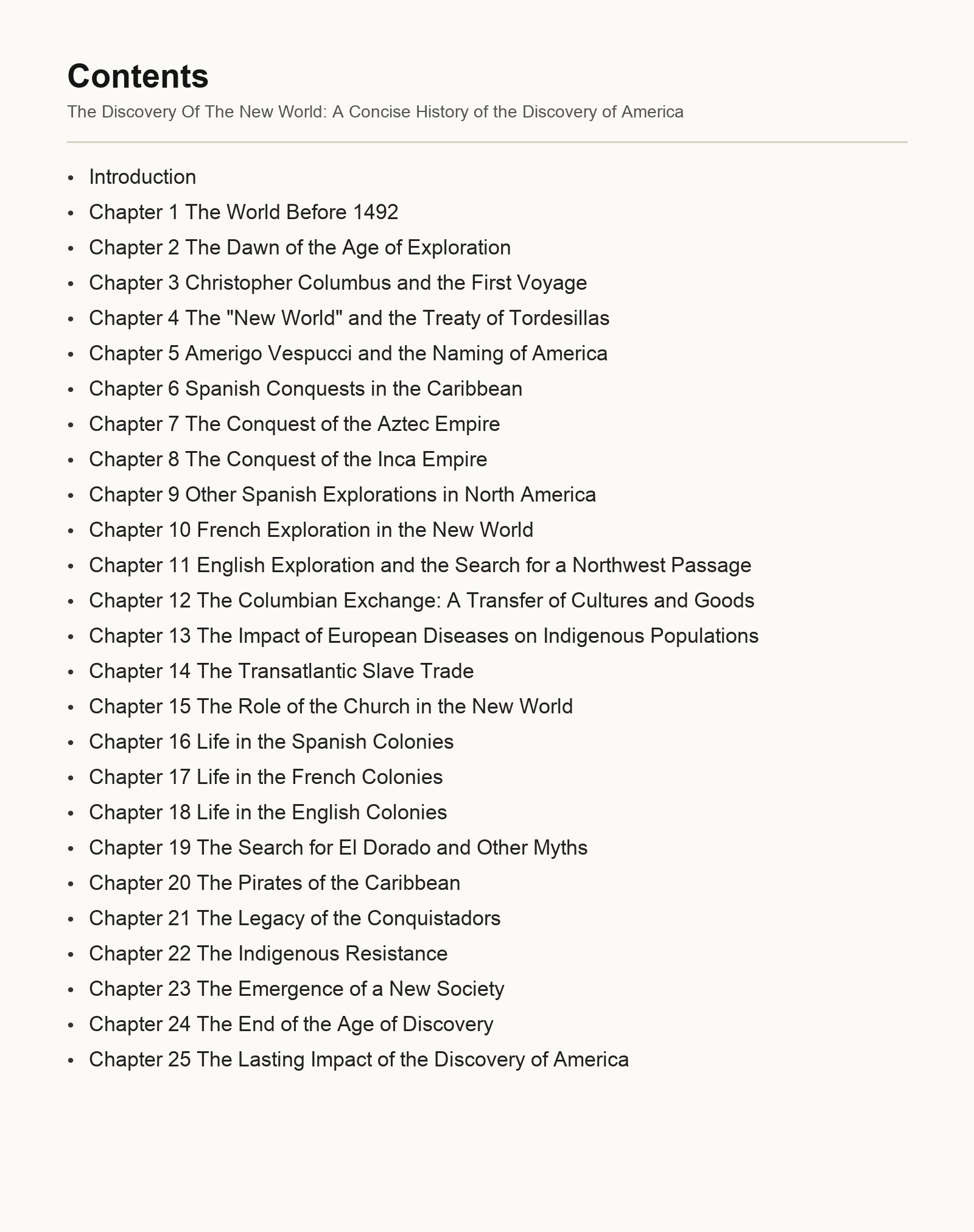
Table of Contents:
- Introduction
- Chapter 1 The World Before 1492
- Chapter 2 The Dawn of the Age of Exploration
- Chapter 3 Christopher Columbus and the First Voyage
- Chapter 4 The "New World" and the Treaty of Tordesillas
- Chapter 5 Amerigo Vespucci and the Naming of America
- Chapter 6 Spanish Conquests in the Caribbean
- Chapter 7 The Conquest of the Aztec Empire
- Chapter 8 The Conquest of the Inca Empire
- Chapter 9 Other Spanish Explorations in North America
- Chapter 10 French Exploration in the New World
- Chapter 11 English Exploration and the Search for a Northwest Passage
- Chapter 12 The Columbian Exchange: A Transfer of Cultures and Goods
- Chapter 13 The Impact of European Diseases on Indigenous Populations
- Chapter 14 The Transatlantic Slave Trade
- Chapter 15 The Role of the Church in the New World
- Chapter 16 Life in the Spanish Colonies
- Chapter 17 Life in the French Colonies
- Chapter 18 Life in the English Colonies
- Chapter 19 The Search for El Dorado and Other Myths
- Chapter 20 The Pirates of the Caribbean
- Chapter 21 The Legacy of the Conquistadors
- Chapter 22 The Indigenous Resistance
- Chapter 23 The Emergence of a New Society
- Chapter 24 The End of the Age of Discovery
- Chapter 25 The Lasting Impact of the Discovery of America
Author:
Published By:
Date Published:
May 20, 2026
Type:
Nonfiction
Language:
English
Also Available In:
Word Count:
54,270 words
Reading Time:
3 hours 48 minutes
Sample:
Order:
Order The Discovery Of The New World (Paperback) on MixCache.com:
Buy NowPrint copy is made to order and ships worldwide. Includes the ebook free, ready to read instantly.
$5 account credit for all new MixCache.com accounts, usable toward any ebook purchase!*