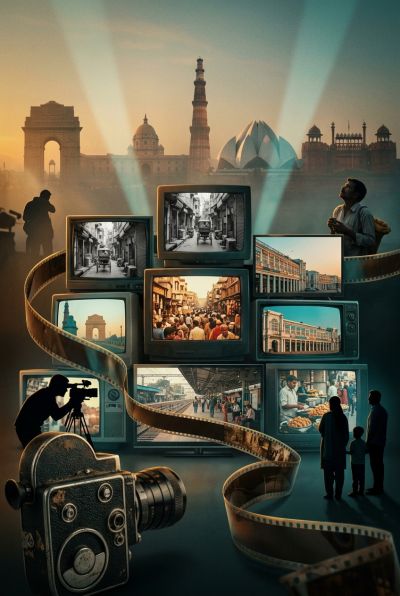
Love, Media, and the Machine: Cinema, Television, and the Shaping of Romantic Scripts
MTA
How film and TV created and normalized modern ideas of romance and relationships
About this book:

"Love, Media, and the Machine: Cinema, Television, and the Shaping of Romantic Scripts" explores how screen media—from early cinema to modern streaming and dating apps—has profoundly influenced and often dictated our understanding of romance and relationships. The book argues that "romantic scripts," repeatable narrative templates like the meet-cute, grand gestures, and the journey from conflict to union, are not merely entertainment but instructional tools that organize our intimate expectations. It traces how industrial pressures, censorship regimes, advertiser demands, and data-driven algorithms have shaped which love stories are greenlit, which bodies are deemed "relatable," and which endings are deemed market-safe, creating a cultural feedback loop where audience appetite justifies tropes, and tropes cultivate appetite.
The book delves into a historical analysis, starting with how silent film codified love through gesture and expression, and how synchronized sound introduced verbal sparring. It examines the impact of the Hays Code, which, by censoring explicit desire, inadvertently led to sophisticated innuendo and forced romance into chaste, marriage-centric narratives. The text then transitions to the serialized nature of soap operas and telenovelas, showing how they normalized "serial monogamy" and taught audiences to expect constant emotional maintenance and dramatic conflict in relationships. It also highlights the global influence of Bollywood and K-dramas, which offer distinct romantic grammars integrating music, family dynamics, and "slow-burn" intimacy that challenge Western romantic ideals.
Further chapters analyze how reality TV, particularly shows like "The Bachelor," gamified dating, transforming courtship into a public competition with sped-up emotional arcs and commercial incentives. The book explores the role of algorithms in dating apps, detailing how they curate matches, influence self-presentation, and foster new phenomena like "ghosting" and "swipe fatigue," fundamentally restructuring romantic discovery. It also critically examines the "politics of pairing," demonstrating how race, class, gender, and sexuality have historically been constrained and, more recently, diversified in romantic narratives. The book culminates in a call for "media literacy for the heart," urging readers to recognize and resist unrealistic scripts, fostering a conscious engagement with media that prioritizes authentic desires and healthier relationship models over manufactured fantasies.
Ultimately, "Love, Media, and the Machine" asserts that understanding the mechanics of screen romance empowers individuals to critically evaluate the stories they consume and, more importantly, to consciously author their own romantic lives. By dissecting the tropes and industrial forces that have long shaped our romantic imagination, the book encourages readers to distinguish between cinematic spectacle and relational reality. It advocates for a shift from passive consumption to active participation, promoting the creation and celebration of diverse, nuanced, and genuinely fulfilling love stories that reflect the complex, evolving tapestry of human connection beyond traditional coupledom and "happily ever after."
What You'll Find Inside:
- The book traces how the meet-cute evolved from a silent‑film visual gag into a algorithm‑driven swipe, showing how media engineers the spark of romance.
- Grand gestures and public declarations—from boomboxes to Instagram proposals—are analyzed as industrial shortcuts that replace ongoing communication with spectacle.
- Censorship, from the Hays Code to modern intimacy coordination, reshaped what desire could be shown and how consent is negotiated on set.
- Global romantic scripts—Bollywood song‑and‑dance, K‑drama slow burns, telenovela melodrama—are exported and remixed by streaming platforms and fan cultures.
- A media‑literacy toolkit helps readers spot unrealistic tropes (instant chemistry, jealousy as love, soulmate destiny) and rewrite healthier relationship expectations.
Who's It For:
This book is for viewers, creators, educators, and anyone who has ever measured their own love life against a movie or TV scene. It will especially appeal to students and scholars of media studies, cultural history, and gender studies, as well as romantics seeking a critical, practical guide to recognizing and reshaping the scripts that shape their expectations.
Author:
Published By:
Date Published:
January 25, 2026
Type:
Nonfiction
Language:
English
Word Count:
59,614 words
Reading Time:
4 hours 10 minutes
Sample:
Order:
Click to order this paperback:
Buy NowPrint copy is made to order and ships worldwide. Includes the ebook free, ready to read instantly.
$5 account credit for all new MixCache.com accounts, usable toward any ebook purchase!*