
🎉 New to MixCache.com? Sign up now and get $5.00 FREE CREDIT towards any ebook purchase!* Create Account →
Book Beginnings cover

A PODCAST FROM MIXCACHE.COM

Book Beginnings

Discover your next book, one beginning at a time. Listen to an introduction or opening chapter, then visit MixCache.com for the complete ebook and audiobook.

Podcast RSS feed

Episodes — page 5 of 13

The Art of Craftsmanship: Reviving the Lost Traditions of Handmade Masterpieces in the Modern World — Introduction cover

November 5, 2026 · Book 183

The Art of Craftsmanship: Reviving the Lost Traditions of Handmade Masterpieces in the Modern World — Introduction

"The Art of Craftsmanship: Reviving the Lost Traditions of Handmade Masterpieces in the Modern World" is a comprehensive exploration of traditional crafts, their historical significance, and their enduring relevance in contemporary society. The book journeys through the evolution of craftsmanship, from its utilitarian origins in the Paleolithic era to the specialized guilds of the Middle Ages and the rise of the master craftsman during the Renaissance. It delves into the diverse crafting traditions of ancient civilizations, including Egypt, Greece, Rome, and those of Asia and the Middle East, highlighting the unique materials, tools, and techniques that define each. The text underscores the crucial role of craftsmanship in preserving cultural heritage and identity, demonstrating how handmade objects serve as tangible links to the past.

Moving beyond historical context, the book examines the core elements of craftsmanship: materials, tools, and techniques. It provides an in-depth look at the properties of essential materials like wood, clay, metal, and glass, and explains the foundational skills required to transform them into objects of beauty and utility. Furthermore, it addresses the integration of traditional methods with modern technologies, illustrating how contemporary artisans are navigating a digital world while honoring time-honored skills. The concept of the "craft community", and its role in the passing on of knowledge, is also described. The text makes clear the importance of passing on skills and knowledge.

The book concludes by emphasizing the growing importance of sustainability in craftsmanship. It explores how artisans are embracing eco-friendly practices, using sustainable materials, and contributing to a circular economy. In a world grappling with the consequences of mass consumption, "The Art of Craftsmanship" argues that the principles of durability, quality, and mindful creation offer a compelling alternative, paving the way for a more sustainable and enriching future. It advocates not only for the preservation of these ancient skills but also for their adaptation and evolution in the face of modern challenges and opportunities.

Listen to the introduction. Continue reading or listening at MixCache.com: search for book 183.


Get the complete ebook & audiobook
The Blueprint of Innovation: Unleashing Creativity to Thrive in the Modern Business World — Introduction cover

November 4, 2026 · Book 182

The Blueprint of Innovation: Unleashing Creativity to Thrive in the Modern Business World — Introduction

"The Blueprint of Innovation: Unleashing Creativity to Thrive in the Modern Business World" provides a comprehensive guide for businesses aiming to foster a sustainable culture of innovation. The book emphasizes that innovation is no longer optional but a necessity for survival and success in today's rapidly changing business environment. It highlights the convergence of technological advancements, evolving consumer expectations, global competition, and sustainability concerns as key drivers for making innovation a core organizational imperative. The text outlines fundamental principles and practices, including establishing a clear purpose, customer-centricity, cultivating a growth mindset, accepting failure as learning, promoting collaboration, ensuring continuous learning, implementing clear processes, and securing strong leadership commitment.

The book further explores how to cultivate an innovation-centric mindset throughout an organization, stressing leadership's crucial role in setting the tone and shaping the culture. It details practical strategies for empowering employees, fostering open communication, leveraging technology (including AI and data analytics), and building dynamic teams. It also delves into the crucial stages of refining ideas, prototyping, testing, iterating based on feedback, and successfully launching innovations into the market. The importance of diversity and inclusion, conflict resolution, and collaborative synergy are also underscored as vital components of a thriving innovation ecosystem.

Through practical advice, and references to case studies, "The Blueprint of Innovation" equips readers with the knowledge and tools to transform their organizations. It stresses that innovation is not simply about generating new ideas, but about creating a system that consistently refines, tests, and implements those ideas. The ultimate goal is to build a resilient, adaptable business that can not only navigate the challenges of the modern world but also actively shape its future by leading through innovation.

Listen to the introduction. Continue reading or listening at MixCache.com: search for book 182.


Get the complete ebook & audiobook
Breaking Bread: The Culinary Diplomacy Handbook: Building Bridges Through Food Across Cultures and Nations — Introduction cover

November 4, 2026 · Book 181

Breaking Bread: The Culinary Diplomacy Handbook: Building Bridges Through Food Across Cultures and Nations — Introduction

"Breaking Bread: The Culinary Diplomacy Handbook" offers a comprehensive exploration of how food serves as a powerful tool for cross-cultural communication and international relations. The book traces the historical use of food in diplomacy, from ancient royal feasts to 19th-century French cuisine's influence, and highlights its role in modern ideological exchanges, such as during the Cold War. It establishes a theoretical framework grounded in soft power, cultural diplomacy, and public diplomacy, explaining how sharing meals can build trust, foster empathy, and promote positive perceptions between nations and cultures. The simple act of breaking bread is revealed to have a much deeper meaning.

The handbook delves into practical applications of culinary diplomacy, examining successful nation-branding campaigns like Thailand's "Global Thai" and South Korea's "Kimchi Diplomacy." It provides guidance on hosting international dinners, participating in food festivals, and leveraging culinary education for cultural exchange. The book emphasizes the symbolic meanings of food, the psychology of sharing meals, and the importance of cultural sensitivity. It also explores how food can be used in conflict resolution, celebrating diversity, and the concept of citizens as "everyday diplomats."

Further exploring the modern, globalized world, the book examines the ethical implications of food, like sustainability and availability. The growing trend of "culinary tourism" is highlighted. Looking to the future, the authors predict an increasing role for technology, such as virtual and augmented reality, with a growing emphasis on sustainability and global food security, in furthering a more interconnected world through food. The book is intended not only for diplomats and culinary professionals, but for anyone interested in the power of food.

Listen to the introduction. Continue reading or listening at MixCache.com: search for book 181.


Get the complete ebook & audiobook
The Blueprint of Human Experience: Understanding How Neuroscience Shapes Our Everyday Lives — Introduction cover

November 4, 2026 · Book 180

The Blueprint of Human Experience: Understanding How Neuroscience Shapes Our Everyday Lives — Introduction

"The Blueprint of Human Experience: Understanding How Neuroscience Shapes Our Everyday Lives" offers a comprehensive and accessible exploration of the human brain, bridging the gap between complex scientific research and everyday understanding. The book begins with the fundamental building blocks of the brain—neurons and neurotransmitters—and progresses through a detailed anatomical tour, covering the hindbrain, midbrain, and forebrain, highlighting key structures like the cerebellum, hippocampus, amygdala, and prefrontal cortex. It explains how these components interact to process sensory information, create perceptions, form memories, and generate emotions. Practical, evidence-based strategies are provided to enable readers to apply these principles to their daily lives.

The book dives deep into the major systems of the brain, explaining how sensory input from vision, hearing, touch, taste, and smell is processed and integrated. It covers visual and auditory perception, as well as how the brain blends information from different senses. Memory formation is thoroughly explored, breaking down encoding, storage, and retrieval, as well as the different types of memory, including episodic, semantic, and procedural. The book describes how the brain constructs reality, emphasizing the active and interpretive nature of perception. Finally, it also investigates the neuroscience of emotions, detailing the brain regions and processes involved in feelings like fear, joy, anger, and sadness, including the importance of emotional intelligence.

"The Blueprint of Human Experience" also covers lifestyle factors, including nutrition, exercise, and sleep. Cognitive training is also addressed. Through accessible language and practical examples, it provides readers with actionable strategies for improving their cognitive function, emotional regulation, and overall well-being. The book underscores the importance of neuroplasticity, empowering readers to take an active role in shaping their brain health and achieving their full potential by implementing healthy habits into their daily lives. It's a guide not just for understanding the brain, but for optimizing it.

Listen to the introduction. Continue reading or listening at MixCache.com: search for book 180.


Get the complete ebook & audiobook
Epicurean Adventures: A Journey Through the World's Most Unforgettable Culinary Destinations — Introduction cover

November 4, 2026 · Book 179

Epicurean Adventures: A Journey Through the World's Most Unforgettable Culinary Destinations — Introduction

"Epicurean Adventures: A Journey Through the World's Most Unforgettable Culinary Destinations" is a global exploration of food, culture, and the joy of eating. It moves beyond a simple cookbook or travel guide, celebrating cuisine as a reflection of history, geography, and the human experience. The book takes readers on a journey across continents, diving into the heart of each destination's unique food scene. From the bustling street food stalls of Bangkok to the Michelin-starred restaurants of Paris, readers are introduced to iconic dishes, hidden culinary gems, and the cultural significance of each culinary tradition.

The book embraces the Epicurean philosophy, encouraging readers to savor every moment, appreciate quality, and find pleasure in the simple elegance of well-prepared food. Through vivid descriptions, historical context, and personal anecdotes, the book transports readers to each location, offering a taste of the spices, aromas, and energy of markets and kitchens worldwide. Interviews with passionate chefs, food artisans, and local experts provide a personal connection to the food and the people behind it, adding depth and authenticity.

"Epicurean Adventures" is designed to be both an inspiring read and a practical guide for those seeking to embark on their own culinary journeys. Each chapter includes travel tips, suggesting where to eat and how to immerse oneself in the local food culture. Whether planning a trip or simply dreaming of one, this book provides the inspiration and information needed to create unforgettable culinary experiences, showing the power of food to connect us, teach us, and bring joy.

Listen to the introduction. Continue reading or listening at MixCache.com: search for book 179.


Get the complete ebook & audiobook
The Rise of Sustainable Architecture: Revolutionizing Urban Landscapes for Future Generations — Introduction cover

November 3, 2026 · Book 178

The Rise of Sustainable Architecture: Revolutionizing Urban Landscapes for Future Generations — Introduction

"The Rise of Sustainable Architecture: Revolutionizing Urban Landscapes for Future Generations" provides a comprehensive overview of the sustainable building movement, tracing its evolution from ancient practices to cutting-edge technologies. The book begins by examining the inherent sustainability of pre-industrial building, highlighting the use of local materials and climate-responsive design. It then explores the disruptive impact of the Industrial Revolution, which prioritized mass production and efficiency over environmental concerns. The narrative progresses to the mid-20th century's growing environmental awareness and the emergence of early pioneers in sustainable design. Key developments, such as the creation of green building standards like BREEAM and LEED, are thoroughly discussed, establishing a crucial foundation for consistent evaluation and improvement.

The core of the book delves into the fundamental principles and practical applications of sustainable architecture. It covers crucial topics like site optimization, energy efficiency (through both passive and active strategies), responsible materials selection, water conservation, and indoor environmental quality. Advanced concepts such as building envelopes, mass timber construction, renewable energy integration, smart building technologies, and the circular economy are examined in detail. Furthermore, the book emphasizes the broader context of urban ecology and green infrastructure, showing how sustainable design extends beyond individual buildings to encompass entire communities and transportation systems. Public policy and community engagement are also presented as vital components in driving the widespread adoption of green building practices.

Throughout the text, real-world examples, such as the Bullitt Center, Bosco Verticale, and One Central Park, showcase successful implementations of sustainable design principles. The book concludes by looking towards the future, highlighting the growing importance of net-zero buildings and resilient design in the face of climate change. It is a valuable resource for anyone seeking to understand the history, principles, technologies, and future trajectory of sustainable architecture.

Listen to the introduction. Continue reading or listening at MixCache.com: search for book 178.


Get the complete ebook & audiobook
Code Breakers: A Journey Through the Evolution of Programming Languages — Introduction cover

November 3, 2026 · Book 177

Code Breakers: A Journey Through the Evolution of Programming Languages — Introduction

"Code Breakers: A Journey Through the Evolution of Programming Languages" offers a comprehensive exploration of the history and development of programming languages, from their conceptual origins to the sophisticated tools that power modern technology. The book traces the evolution of programming, starting with the earliest methods of instructing machines, like machine code and assembly language, where programmers worked directly with binary instructions and mnemonic representations of machine operations. It highlights the constant push for increased abstraction.

The narrative progresses through key milestones, showcasing the emergence of high-level languages that revolutionized various domains. FORTRAN is presented as the pioneer for scientific and engineering computation, enabling expression through formula-like syntax. COBOL is discussed as the solution for business data processing, offering a verbose, English-like style for handling records and transactions. LISP's significance in artificial intelligence and symbolic computation is noted. The book highlights ALGOL's introduction of structured programming principles. The book goes into detail about C and its influence on systems programming. The development of object-oriented paradigm is illustrated through Simula, Smalltalk, C++, and Objective-C. Java's "write once, run anywhere" philosophy, and C#'s role as Microsoft's answer. Scripting languages like Perl, Python, JavaScript, PHP, and Ruby are discussed in the context of web development and beyond.

The final section of the book looks toward the future, touching on modern languages like Rust, Haskell, and Kotlin. Emerging trends are identified, such as the growing importance of functional programming, concurrent programming, memory safety, and the rise of domain-specific languages. The book emphasizes the ongoing quest for languages that are more expressive, efficient, secure, and adaptable to the ever-changing demands of the technological landscape. It is suitable for anyone from student to experianced programmer.

Listen to the introduction. Continue reading or listening at MixCache.com: search for book 177.


Get the complete ebook & audiobook
Untangling the Web of Cybercrime: How Digital Criminals Operate and How You Can Protect Yourself — Introduction cover

November 3, 2026 · Book 176

Untangling the Web of Cybercrime: How Digital Criminals Operate and How You Can Protect Yourself — Introduction

"Untangling the Web of Cybercrime: How Digital Criminals Operate and How You Can Protect Yourself" provides a comprehensive overview of the modern cybercrime landscape, exploring various attack vectors, criminal motivations, and the tools used in digital offenses. The book begins by detailing common threats like phishing, ransomware, and identity theft, explaining how these attacks are executed and their potential impact on individuals and organizations. It then delves into the different types of actors involved, from lone wolf hackers to organized crime syndicates and state-sponsored groups, emphasizing the increasing sophistication and financial motivation behind many cyberattacks. Technical aspects are also addressed, shedding light on malware, botnets, denial-of-service attacks, and the role of the dark web in facilitating illegal activities.

A significant portion of the book is dedicated to practical defense strategies and best practices. It stresses the importance of strong password security, multi-factor authentication, regular software updates, and vigilance against phishing scams. Readers are provided with actionable advice on securing their devices, protecting financial data during online transactions, and recognizing social engineering tactics. The book also emphasizes the importance of user awareness and training, suggesting that human error is often the weakest link in cybersecurity.

Looking forward, "Untangling the Web of Cybercrime" examines emerging trends and future challenges. It discusses the role of artificial intelligence (AI) in both offensive and defensive cybersecurity, the implications of quantum computing for encryption, and the evolving legal landscape surrounding cybercrime. The book concludes by advocating for a proactive, multi-layered approach to cybersecurity, involving individuals, organizations, and governments, highlighting the need for continuous adaptation and collaboration to build a more cyber-resilient future.

Listen to the introduction. Continue reading or listening at MixCache.com: search for book 176.


Get the complete ebook & audiobook
The Innovator's Playbook: Revolutionary Strategies for Driving Breakthrough Ideas and Transforming Industries — Introduction cover

November 3, 2026 · Book 175

The Innovator's Playbook: Revolutionary Strategies for Driving Breakthrough Ideas and Transforming Industries — Introduction

"The Innovator's Playbook: Revolutionary Strategies for Driving Breakthrough Ideas and Transforming Industries" provides a comprehensive guide for individuals and organizations seeking to foster innovation and achieve transformative growth. The book emphasizes that innovation is not merely about sporadic creativity, but a systematic process requiring a specific mindset, supportive culture, and strategic alignment with business goals. It delves into developing key personal attributes like curiosity, resilience, and a passion for problem-solving, while advocating for embracing failure as a critical learning opportunity.

The core of the book explores practical frameworks and methodologies, including Design Thinking, Lean Startup, and Agile methodologies, offering detailed guidance on their implementation across various industries. It highlights the importance of user-centric design, rapid iteration, validated learning, and continuous improvement as fundamental principles for successful innovation. The book moves beyond individual skills, providing actionable strategies for building a culture of innovation within organizations, emphasizing psychological safety, employee empowerment, and the crucial role of leadership in championing and sustaining these efforts.

Further, the book addresses common barriers to innovation, such as organizational inertia, resource constraints, and risk aversion, offering practical solutions to overcome these challenges. It underscores the need for strategic innovation, aligning innovation efforts with overall business objectives, and provides methods for measuring and rewarding innovation success. Case studies spanning across sectors are presented, providing readers tangible examples of the principles. Finally, the book also offers insights on sustaining innovation, maintaining momentum and adaptibility.

Listen to the introduction. Continue reading or listening at MixCache.com: search for book 175.


Get the complete ebook & audiobook
Hidden Codes of Creativity: Unlocking Your Inner Genius with Science and Strategy — Introduction cover

November 2, 2026 · Book 174

Hidden Codes of Creativity: Unlocking Your Inner Genius with Science and Strategy — Introduction

"Hidden Codes of Creativity: Unlocking Your Inner Genius with Science and Strategy" demystifies creativity, presenting it not as an innate gift, but as a learnable skill accessible to everyone. The book delves into the neuroscience and psychology behind creative thinking, explaining how brain networks (like the Default Mode Network and Executive Control Network) and neurotransmitters (like dopamine) interact to generate and refine ideas. It then bridges the gap between theory and practice, offering a comprehensive toolkit of techniques, including brainstorming, mind mapping, SCAMPER, and constraint-based innovation, to boost both divergent and convergent thinking. The book also addresses common roadblocks such as fear of failure, procrastination, perfectionism, and negative self-talk, offering cognitive-behavioral strategies to overcome these obstacles.

The core message is that creativity is cultivated through deliberate practice and a supportive mindset. It emphasizes the importance of understanding one's personal creative style (through creative archetypes), assessing individual strengths and weaknesses, and building a positive internal environment that encourages experimentation and risk-taking. The book explores the interplay of "nature" and "nurture," noting that while inherent predispositions might exist, practiced skill and a growth mindset are paramount. It also emphasizes the importance of understanding and dealing with related issues such as negative self talk, fear of failure, and perfectionism.

"Hidden Codes of Creativity" extends beyond individual practices, providing insights into fostering creativity in various contexts, including business, education, and the arts. It showcases how innovation drives success in these fields and provides strategies for cultivating a creative culture. Ultimately, the book serves as a practical guide for integrating creativity into all aspects of life, promoting not just occasional bursts of inspiration, but a sustained, fulfilling, and innovative way of living, emphasizing consistent habits, continuous learning, and self-care to support long-term creative growth.

Listen to the introduction. Continue reading or listening at MixCache.com: search for book 174.


Get the complete ebook & audiobook
Beyond Borders: How International Students Shape the Future of Global Education — Introduction cover

November 2, 2026 · Book 173

Beyond Borders: How International Students Shape the Future of Global Education — Introduction

"Beyond Borders: How International Students Shape the Future of Global Education" offers a comprehensive exploration of the growing phenomenon of international student mobility. The book traces the historical roots of student exchanges, from ancient Greece and India to the post-World War II era, highlighting education's role in diplomacy and development. It then delves into the impact of globalization in the 21st century, examining the economic, social, and technological forces driving the unprecedented surge in students seeking education abroad. The text analyzes emerging trends, such as the rise of new destination countries like China and Germany, and the diversification of student flows beyond traditional hubs.

The core of "Beyond Borders" focuses on the experiences of international students, addressing the challenges they encounter, including cultural adjustment, language barriers, financial constraints, and academic pressures. It also explores the significant benefits these students bring to their host institutions and communities, such as academic enrichment through diverse perspectives, contributions to research and innovation, and fostering intercultural understanding. The book emphasizes the reciprocal nature of cultural exchange and the role of international students as local contributors through volunteering, cultural events, and economic activity.

Finally, the book examines institutional strategies and government policies that impact international student mobility. It presents best practices for recruitment, admissions, and support services, highlighting successful models of integration. It also analyzes the influence of visa regulations, funding mechanisms, and national strategies on the flow of students. Case studies of the United States, the United Kingdom, Australia, and emerging destinations illustrate the diverse approaches and challenges in the global education landscape. The book concludes by looking towards the future, predicting continued growth, diversification, and the increasing role of technology in shaping global education.

Listen to the introduction. Continue reading or listening at MixCache.com: search for book 173.


Get the complete ebook & audiobook

Understanding the Art of Negotiation: Mastering Strategies, Tactics, and Techniques for Success in Any Deal — Introduction cover

November 2, 2026 · Book 172

Understanding the Art of Negotiation: Mastering Strategies, Tactics, and Techniques for Success in Any Deal — Introduction

"Understanding the Art of Negotiation: Mastering Strategies, Tactics, and Techniques for Success in Any Deal" offers a comprehensive guide to mastering the skills of negotiation, applicable in both personal and professional settings. The book systematically breaks down negotiation into its core components, starting with fundamental principles and progressing through various strategic approaches, psychological factors, and communication techniques. Readers will learn how to prepare effectively by defining objectives, researching counterparts, and understanding their own negotiation styles and biases. The text covers both distributive (win-lose) and integrative (win-win) negotiation tactics, offering a balanced understanding of when and how to use each approach.

A significant portion of the book is dedicated to the psychology of negotiation, emphasizing the importance of emotional intelligence, active listening, and recognizing cognitive biases. The author delves into practical communication skills, including questioning techniques, nonverbal cues, and strategies for managing conflict and overcoming impasses. Real-world case studies across diverse sectors such as business acquisitions, international trade, labor-management relations, and real estate transactions provide concrete illustrations of negotiation principles in action, learning from successes and failures.

The book advocates for a flexible, adaptable approach, encouraging readers to move beyond a one-size-fits-all mentality and to tailor their strategies to the specific context, cultural nuances, and individual personalities involved. It emphasizes ethical conduct and the building of long-term relationships, highlighting that negotiation is not merely about claiming value but also about creating it. This book aims to empower readers with the tools and insights to become confident and successful negotiators in any situation.

Listen to the introduction. Continue reading or listening at MixCache.com: search for book 172.


Get the complete ebook & audiobook
Navigating the Digital Wave: How Technology is Reshaping Our World and What It Means for the Future — Introduction cover

November 2, 2026 · Book 171

Navigating the Digital Wave: How Technology is Reshaping Our World and What It Means for the Future — Introduction

"Navigating the Digital Wave: How Technology is Reshaping Our World and What It Means for the Future" provides a comprehensive overview of the pervasive and transformative impact of digital technology across all aspects of modern life. The book traces the historical evolution of computing, from early mechanical devices to the rise of the internet, mobile devices, and artificial intelligence. It then dives into sector-specific analyses, detailing how technology is revolutionizing retail, healthcare, finance, manufacturing, transportation, social interaction, and more. Key themes include the rise of e-commerce, telemedicine, fintech, automation, autonomous vehicles, and the impact of social media, as well as discussions covering essential concepts.

The book also delves into crucial related areas. Data privacy, cybersecurity, digital identity, and the ethics of AI are examined in detail, highlighting the challenges of balancing innovation with individual rights and societal well-being. The changing nature of work and employment in the face of automation is also explored, with emphasis on the need for digital literacy, ongoing education, and workforce adaptation. Strategies for businesses to adapt to the digital age are also highlighted, along with a discussion of the role of government and policymakers in addressing challenges and facilitating an inclusive digital future.

Finally, the concluding chapters offer a look at emerging technologies, such as quantum computing and biotechnology, predicting their potential future impact. The book concludes with practical advice for both individuals and organizations on how to navigate the ongoing digital transformation. This includes the necessity of lifelong learning, and adapting to new technologies. The importance of flexibility, innovation, and digital literacy are also repeatedly highlighted.

Listen to the introduction. Continue reading or listening at MixCache.com: search for book 171.


Get the complete ebook & audiobook
Evolving Taste Buds: How Globalization Has Transformed the Foods We Eat and Love — Introduction cover

November 1, 2026 · Book 170

Evolving Taste Buds: How Globalization Has Transformed the Foods We Eat and Love — Introduction

"Evolving Taste Buds: How Globalization Has Transformed the Foods We Eat and Love" examines the profound impact of globalization on global food culture. The book traces the journey of culinary traditions, ingredients, and techniques across borders and through time. Starting with the ancient Spice Routes, continuing through the impositions of the colonial era and into the massive immigration shifts after WWII, the movement of people, ideas, and technology are shown to be key to this transformation. The book explores how innovations like refrigeration, industrial farming, and the Green Revolution, along with the influence of media, from TV chefs to social media, reshaped food production, distribution, and consumption patterns worldwide.

The narrative emphasizes the duality of globalization's impact. On one hand, it has fostered culinary exchange, diversifying diets and making a wider variety of foods available. Immigrant communities have introduced new flavors and created vibrant fusion cuisines, while technologies like refrigeration and transportation have made once-exotic ingredients commonplace. On the other hand, the book highlights the negative consequences, including the environmental impact of industrialized food production, the economic pressures on small farmers, the loss of traditional food varieties and biodiversity, and ethical concerns about cultural appropriation in the food world.

Through case studies from Japan, Italy, India, Mexico, and the United States, "Evolving Taste Buds" showcases how different cultures have navigated these changes. It explores resistance, adaptation, preservation of traditions and more. Ultimately, the book encourages readers to critically examine their food choices, advocating for sustainable practices and a greater appreciation for the cultural and historical significance of food, while offering insights into the interplay between global and local forces in food production and cultural identity.

Listen to the introduction. Continue reading or listening at MixCache.com: search for book 170.


Get the complete ebook & audiobook
The Science of Good Luck: Harnessing Probability and Chance to Improve Your Fortune — Introduction cover

November 1, 2026 · Book 169

The Science of Good Luck: Harnessing Probability and Chance to Improve Your Fortune — Introduction

"The Science of Good Luck: Harnessing Probability and Chance to Improve Your Fortune" demystifies the concept of luck, moving beyond superstition to explore the scientific principles that influence our perception and experience of fortunate events. The book argues that luck is not merely random chance, but a combination of factors, many of which are within our control. It delves into probability theory, risk assessment, and game theory to explain the mathematics of chance, debunking common myths and providing readers with tools to make more informed decisions in everyday life.

The core of the book focuses on the psychology of luck, emphasizing the importance of mindset, cognitive biases, and emotional intelligence. It highlights how optimism, resilience, and a proactive approach can significantly increase one's "luck surface area" – the likelihood of encountering and capitalizing on positive opportunities. Through practical strategies like networking, lifelong learning, and embracing calculated risks, the book offers readers a framework for actively creating conditions conducive to good fortune. The text explores more speculative areas such as quantum physics, looking at concepts like randomness, the observer effect and the Many Worlds Interpretation.

Ultimately, "The Science of Good Luck" provides a comprehensive guide to understanding and influencing the seemingly random events that shape our lives. It empowers readers to move beyond passive acceptance of fate and to cultivate a mindset and behaviors that attract positive outcomes. By combining scientific principles with actionable strategies, the book offers a fresh perspective on how to harness the power of probability and, ultimately, improve one's fortune.

Listen to the introduction. Continue reading or listening at MixCache.com: search for book 169.


Get the complete ebook & audiobook
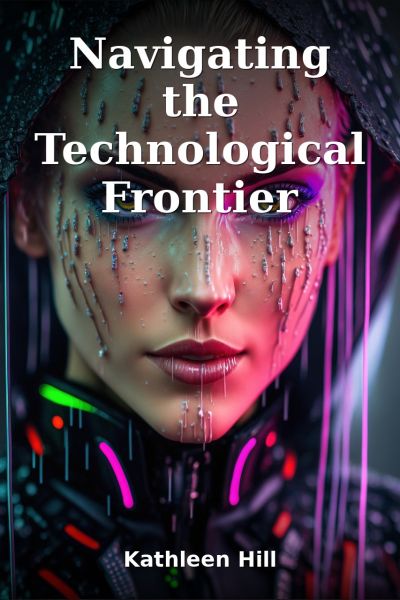
Navigating the Technological Frontier: Innovations Shaping the Future and How to Keep Up — Introduction cover

November 1, 2026 · Book 168

Navigating the Technological Frontier: Innovations Shaping the Future and How to Keep Up — Introduction

"Navigating the Technological Frontier: Innovations Shaping the Future and How to Keep Up" offers a comprehensive guide to understanding and adapting to the rapid technological changes transforming our world. The book demystifies complex advancements in fields like artificial intelligence, biotechnology, blockchain, and cybersecurity, explaining their core concepts and real-world applications. It emphasizes that these technologies are not isolated developments but interconnected forces reshaping industries, economies, and societies. Readers will gain insights into how digital disruption is reinventing business operations, altering consumer behavior, and revolutionizing communication, along with practical strategies for embracing these changes.

The book goes beyond merely describing current technologies; it equips readers with the tools to thrive in an environment of continuous disruption. It stresses the importance of lifelong learning, fostering a culture of innovation, and developing the agility needed to adapt to constantly evolving technological landscapes. Specific chapters delve into AI's transformative power, machine learning's practical applications, and blockchain's potential beyond cryptocurrency. It also addresses the pressing need for robust cybersecurity measures, the ethical considerations surrounding biotechnology, and the evolving nature of work in a tech-driven world.

Ultimately, "Navigating the Technological Frontier" positions itself as an essential resource for anyone seeking to future-proof their skills and knowledge. It goes beyond technical details, exploring the ethical, societal, and economic implications of these advancements, providing a framework for developing personal and organizational strategies. The book advocates for a human-technology partnership, emphasizing that technology should augment, not replace, human capabilities. It's a call to action, urging readers to embrace change, learn continuously, and actively participate in shaping a future where technology serves humanity's best interests.

Listen to the introduction. Continue reading or listening at MixCache.com: search for book 168.


Get the complete ebook & audiobook
Redefining Connection: The Teacher-Student Relationship in a Digital Age: Harnessing Technology to Foster Educational Growth and Engagement — Introduction cover

October 31, 2026 · Book 167

Redefining Connection: The Teacher-Student Relationship in a Digital Age: Harnessing Technology to Foster Educational Growth and Engagement — Introduction

"Redefining Connection: The Teacher-Student Relationship in a Digital Age" offers a comprehensive exploration of how technology is transforming education, with a particular focus on maintaining and enhancing the vital teacher-student connection. The book traces the evolution of educational technology, from chalkboards to AI-powered learning platforms, emphasizing that the core of effective education remains the human relationship, even as the tools and environments change. It delves into the characteristics of digital native learners, the challenges of transitioning to digital and hybrid learning models, and the practicalities of virtual learning environments (VLEs), including Learning Management Systems (LMSs). The text is a great guide for administrators and teachers.

The book provides practical strategies for engaging students in virtual settings, fostering collaboration through digital tools, and implementing personalized learning paths. It examines key technologies like interactive whiteboards, video conferencing, and Open Educational Resources (OER), demonstrating how they can democratize access and improve learning outcomes. Case studies from a school district and individual schools showcase real-world implementations of digital integration and hybrid learning, highlighting both the successes and the challenges encountered. The guide is very detailed.

Crucially, "Redefining Connection" stresses the importance of building trust and rapport in online environments, supporting student well-being, and empowering teachers through technology and professional development. It concludes by envisioning a future "connected learning ecosystem," where technology seamlessly integrates with pedagogy to create personalized, flexible, accessible, and collaborative learning experiences. The book serves as a call to action, urging educators, administrators, and policymakers to embrace technology thoughtfully and strategically, always prioritizing the human connection that remains at the heart of effective education.

Listen to the introduction. Continue reading or listening at MixCache.com: search for book 167.


Get the complete ebook & audiobook

The Science of Sound Sleep: Harnessing the Power of Restorative Sleep for Optimal Health and Performance — Introduction cover

October 31, 2026 · Book 166

The Science of Sound Sleep: Harnessing the Power of Restorative Sleep for Optimal Health and Performance — Introduction

"The Science of Sound Sleep: Harnessing the Power of Restorative Sleep for Optimal Health and Performance" offers a comprehensive exploration of sleep, detailing its vital role in overall well-being. The book delves into the science of sleep, explaining the different stages of sleep (NREM and REM) and their functions in physical restoration, cognitive processing, and emotional regulation. It highlights the importance of the circadian rhythm, the body's internal clock, and how environmental factors like light and temperature influence sleep patterns. The text also covers the crucial roles of hormones like melatonin and cortisol, and neurotransmitters, in the intricate process of sleep and wakefulness.

Further, the book provides actionable insights into optimizing sleep. It covers a range of sleep disorders, including insomnia, sleep apnea, and restless legs syndrome, providing information on their causes, symptoms, and available treatments. Practical advice is offered on improving sleep hygiene, such as establishing a consistent sleep schedule, optimizing the sleep environment, and managing stress through relaxation techniques. The impact of lifestyle factors like diet, exercise, and technology use is also thoroughly examined, providing readers with specific strategies to make positive changes that will foster better sleep.

Ultimately, "The Science of Sound Sleep" serves as a complete guide for anyone seeking to improve their sleep and, consequently, their overall health and performance. It combines in-depth scientific knowledge with practical, evidence-based recommendations, empowering readers to understand the profound impact of sleep and take control of their sleep health. Whether struggling with a specific sleep disorder or simply aiming to optimize well-being, readers will find the tools and knowledge necessary to unlock the transformative power of restorative sleep.

Listen to the introduction. Continue reading or listening at MixCache.com: search for book 166.


Get the complete ebook & audiobook

Navigating the Algorithmic Age: Understanding and Thriving in a World Governed by Algorithms — Introduction cover

October 31, 2026 · Book 165

Navigating the Algorithmic Age: Understanding and Thriving in a World Governed by Algorithms — Introduction

"Navigating the Algorithmic Age: Understanding and Thriving in a World Governed by Algorithms" offers a comprehensive exploration of algorithms, explaining their fundamental principles, historical evolution, and pervasive influence on modern society. The book demystifies complex concepts, making them accessible to a broad audience, including business professionals, policymakers, educators, and anyone interacting with the digital world. It covers everything from basic algorithm design and data structures to their applications in diverse sectors like business, finance, healthcare, social media, and scientific research. The book emphasizes the importance of understanding not only the technical aspects but also the profound ethical and societal implications.

The book delves into critical issues such as algorithmic bias, transparency, accountability, and the impact on employment, democracy, and public opinion. It presents real-world case studies of leading tech companies, illustrating how algorithms are used to drive innovation, optimize operations, and shape user experiences. Beyond explaining the challenges, the book also explores regulatory frameworks, ethical guidelines, and practical strategies for individuals and society to navigate the complexities of the algorithmic age.

Ultimately, "Navigating the Algorithmic Age" is a call to action, encouraging readers to become informed participants in shaping the future of a world increasingly governed by algorithms. It advocates for a proactive approach, emphasizing the importance of digital literacy, critical thinking, and ethical considerations. The book provides a roadmap for thriving in this new era, promoting responsible development and deployment of algorithms to ensure they serve humanity's best interests, fostering fairness, equity, and overall well-being.

Listen to the introduction. Continue reading or listening at MixCache.com: search for book 165.


Get the complete ebook & audiobook

Mastering the Art of Modern Leadership: Innovative Strategies for Navigating the New Era of Business — Introduction cover

October 31, 2026 · Book 164

Mastering the Art of Modern Leadership: Innovative Strategies for Navigating the New Era of Business — Introduction

"Mastering the Art of Modern Leadership: Innovative Strategies for Navigating the New Era of Business" provides a comprehensive guide for leaders seeking to thrive in today's dynamic and complex business environment. The book emphasizes the shift from traditional, hierarchical leadership models to a more inclusive, adaptable, and tech-savvy approach. Key themes include the importance of diversity, equity, and inclusion, not just as ethical imperatives, but as strategic advantages that drive innovation and organizational performance. The text also explores how leaders can effectively leverage emerging technologies like AI and blockchain, while maintaining a strong ethical compass in a globalized and increasingly digitized world.

Central to the book's message is the need for continuous personal and organizational development. Leaders are encouraged to cultivate a growth mindset, prioritize their own well-being, and foster a culture of learning and adaptability within their teams. The book delves into essential skills such as emotional intelligence, cultural intelligence, data-driven decision-making, and strategic foresight. Practical strategies are offered for building high-performing global teams, leading through disruption, and navigating the ethical complexities of a connected world. The book stresses the importance of all team members buying into new ideas, technology and continuous learning to perform at their best.

Ultimately, "Mastering the Art of Modern Leadership" presents a holistic framework for leadership excellence in the 21st century. It emphasizes that effective leadership is not about wielding authority, but about empowering others, fostering collaboration, and inspiring a shared vision. The book provides actionable insights and tools for leaders at all levels to navigate the challenges and opportunities of the modern business landscape, building resilient, innovative, and ethically grounded organizations.

Listen to the introduction. Continue reading or listening at MixCache.com: search for book 164.


Get the complete ebook & audiobook