
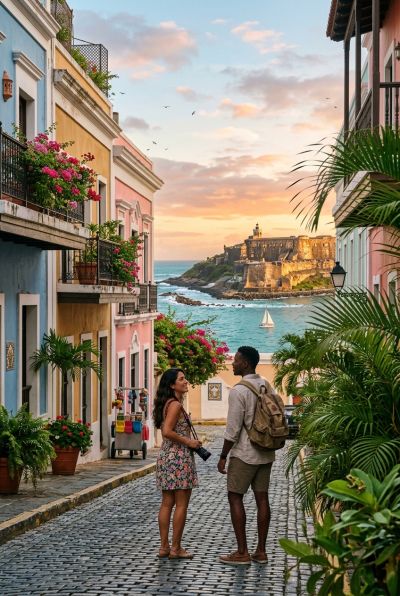
There’s something irresistible about a travel guide that feels less like an instruction manual and more like a trusted friend whispering secrets about their favorite island. Diego Marín’s Visiting Puerto Rico delivers exactly that—a guide that’s simultaneously packed with practical advice and steeped in genuine affection for the island. If you’ve ever wondered whether Puerto Rico is worth more than a cruise ship stopover or wanted insider knowledge about its best-kept secrets, this book offers answers that are as refreshing as a beachside piña colada.
What the Book Is About
Spanning twenty-five chapters, Marín has crafted a remarkably comprehensive roadmap for navigating Puerto Rico’s multifaceted charm. Structured as a conversational journey, the book begins with essential pre-trip preparation—covering everything from optimal travel timing and packing lists to visa requirements and health advice—and progresses through practical logistics like airport navigation and accommodations. It then dives headfirst into cultural immersion, exploring the linguistic quirks of Spanglish, the historical depth of Old San Juan, the natural wonders of El Yunque and the bioluminescent bays, and the island’s culinary and musical heritage. Each chapter blends pragmatic tips with storytelling flair, addressing themes like responsible tourism, regional diversity, and the rhythms of “island time.” Targeting curious travelers seeking authentic experiences over generic checklists, the guide assumes readers want to understand the island’s soul, not just its sights.
Practical Wisdom Meets Cultural Respect
The book’s opening chapters set a refreshingly honest tone, emphasizing preparation without pretension. In his discussion of pre-trip essentials, Marín offers nuanced advice about timing visits to avoid both crowds and hurricanes—“the ‘best’ time to visit often depends on your tolerance for humidity and crowds”—while gently debunking myths about dangerous weather seasons. His guidance on packing “chanclas (flip-flops)” alongside practical warnings about insect repellent reflects a balance between practicality and respect for local realities. The section on responsible tourism is equally compelling, encouraging visitors to support local businesses and respect the environment: “Small efforts can make a big difference in preserving the beauty of ‘La Isla del Encanto’ for everyone.” These passages signal that the book prioritizes respectful engagement over exploitative tourism.
Navigating the Island’s Quirks and Charms
Driving in Puerto Rico, as Marín humorously acknowledges, is an adventure best approached with “defensive driving” and a sense of humor. Chapter Six candidly addresses the realities of “tapones” (traffic jams) and “enthusiastic” driving styles while offering alternatives like taxis, rideshares, and public ferries. This pragmatic approach extends to cultural integration; in his crash course on Spanglish (Chapter Three), Marín decodes colloquialisms like “¡Wepa!”—“an all-purpose exclamation of joy”—and “ahorita” (“later” or “in a bit”), helping readers connect with locals without feeling linguistically stranded. The transportation sections don’t just list options but contextualize them as part of the island’s rhythm, advising visitors to embrace “island time” without sacrificing safety.
A Culinary Pilgrimage for the Curious Eater
Marín treats food not just as fuel but as a portal to understanding Puerto Rican identity. Chapter Eleven’s exploration of “mofongo” frames the dish as a “culinary superhero,” while the rum chapters (Twelve) celebrate Puerto Rico’s status as the “Rum Capital of the World,” detailing everything from the “sweet orange” etymology of “china” (orange) to the mechanics of aging. His enthusiasm for regional specialties—like roadside *lechoneras* on the “Pork Highway” or the artisanal revival of coffee in the mountains—transforms practical dining recommendations into cultural insights. The book doesn’t just tell readers where to eat; it explains why dishes like “arroz con gandules” or “tembleque” matter, turning every meal into a lesson in heritage.
The Pulse of Puerto Rican Celebration
Chapter Eighteen reveals Marín’s deep appreciation for Puerto Rico’s festive culture, positioning festivals as essential windows into the island’s identity. He describes the Fiestas de la Calle San Sebastián as a “controlled chaos and sheer joy,” emphasizing their role in celebrating “history, passion, and pure, unadulterated Boricua revelry.” The chapter also highlights lesser-known celebrations like the Mango Festival in Mayagüez and the Mundillo lace-making traditions in Moca, illustrating how festivals range from exuberant street parties to intimate showcases of local craftsmanship. Marín’s advice to “pace yourself” at these events reflects his understanding that authentic participation requires both enthusiasm and awareness.
Wildlife, Weather, and Everyday Marvels
Marín’s eye for detail shines in his descriptions of the island’s natural world and daily rhythms. The bioluminescent bay chapter captures the magic of Mosquito Bay in Vieques, describing it as a place where “every paddle stroke” creates “a trail of glittering blue-green light.” Here, he emphasizes conservation: “These little sparklers are the product of living organisms… respect their home.” Chapter Twenty-Two’s wildlife section goes beyond iguana-spotting to highlight the endangered Puerto Rican parrots and Taíno petroglyphs in caves, treating the island’s ecology and history as intertwined. Meanwhile, his weather forecasts demystify “island time” and hurricane season with reassuring practicality: “[The Caribbean sun] can make your eyes water faster than cutting onions.”
Who Should Read This
This guide will resonate most with first-time visitors seeking a blend of practical guidance and cultural context—travelers who want to avoid tourist traps while still connecting authentically with local life. Readers interested in responsible tourism, regional food traditions, and off-the-beaten-path experiences will find Marín’s insider knowledge invaluable. However, those looking for a strictly historical or academic treatment of Puerto Rico might find the tone too conversational. For anyone planning a trip that goes beyond beach resorts and cruise ship itineraries, this book offers a nuanced, respectful lens through which to see the island—and, inevitably, fall a little in love with it.
Read “Visiting Puerto Rico” on MixCache.com →
Please log in or create an account to leave a comment.
No comments yet. Be the first to say something.